
Irazú Volcano Trekking Guide: Hiking Costa Rica’s Highest Active Volcano with Panoramic Ocean Views
Explore the majestic Irazú Volcano, Costa Rica’s highest active stratovolcano, with this comprehensive trekking guide. Discover its geological wonders, hiking terrain, unique crater experiences, and practical logistics including permits, routes, and accommodations near Cartago Province.
Quick Volcano Snapshot
| Attribute | Value |
|---|---|
| Volcano type | Stratovolcano |
| Elevation | 3,432 meters (11,260 feet) |
| Location | Cartago Province, Costa Rica |
| Activity status | Active |
| Trekking difficulty | Moderate |
| Typical trek duration | 1 to 2 hours |
| Altitude gain | Approximately 28 meters on main trail |
| Terrain type | Volcanic ash slopes, crater rim trails, rocky volcanic terrain |
| Best season | Dry season (December to April) |
| Temperature range | 3°C to 17°C (37°F to 63°F) |
| Permit requirement | Entrance fee required; tickets must be purchased online |
Introduction: The Experience of Hiking Irazú Volcano
Approaching Irazú Volcano, the highest active volcano in Costa Rica, is like stepping into a realm where Earth’s raw power is palpable. The landscape shifts dramatically from lush coffee plantations and rolling green hills to stark volcanic terrain. As you ascend, the air cools and the vegetation thins, revealing a lunar-like expanse of ash and rock. The summit offers an emotional crescendo: standing on the crater rim, surrounded by vast volcanic scars and, on rare clear days, gazing out to both the Pacific and Atlantic Oceans. This juxtaposition of barren volcanic wilderness and sweeping panoramic views creates a profound sense of awe and connection to the planet’s dynamic forces.
The Volcano Itself: Geological Background
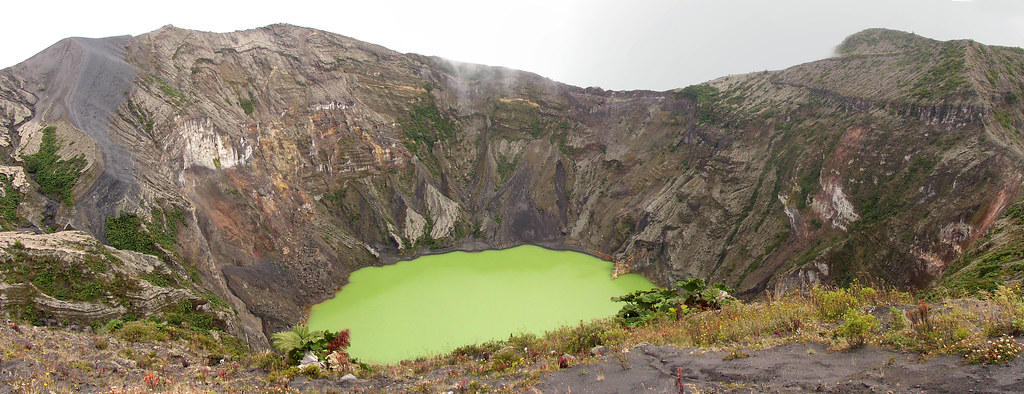
Irazú Volcano is a stratovolcano located in Costa Rica’s Cordillera Central mountain range. It formed over hundreds of thousands of years through successive eruptions of andesite and basalt lava flows, along with explosive ash deposits. The volcano’s complex structure includes five distinct craters, with the Main Crater and Diego de la Haya crater being the most prominent. The Main Crater is nearly circular, about 1,050 meters in diameter and 300 meters deep, often containing a greenish-yellow acidic lake formed by mineral-rich rainfall. Irazú’s eruptive history dates back to at least 1723, with notable activity including a major eruption in 1963 that coincided with U.S. President John F. Kennedy’s visit to Costa Rica. Since the 1990s, the volcano has exhibited minor fumarolic activity, releasing gases and steam, indicating it remains active but currently stable. The volcanic soils and minerals contribute to the region’s rich biodiversity, while fumaroles and sulfur deposits mark the summit’s rugged terrain.
The Volcano Trek: Terrain and Hiking Experience
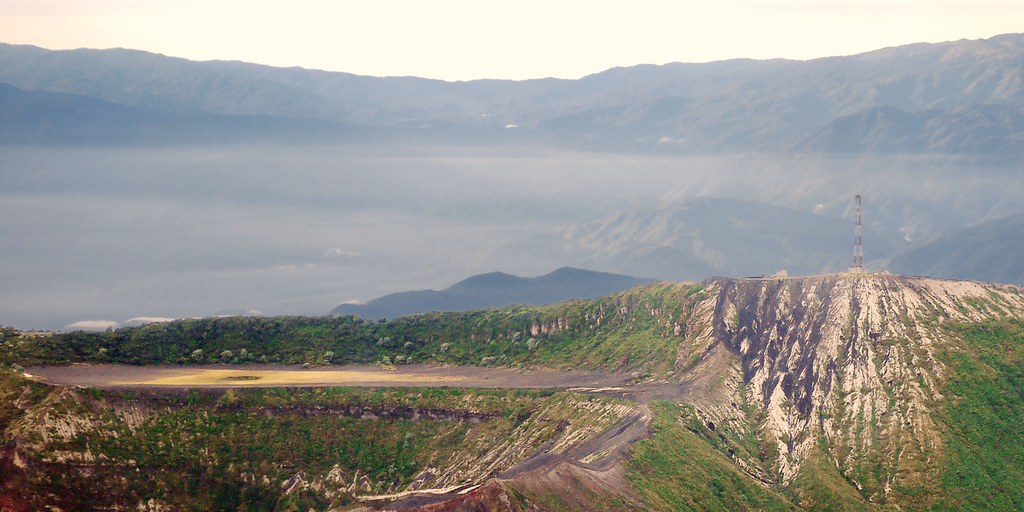
Hiking Irazú Volcano offers a unique experience that balances accessibility with the thrill of exploring an active volcanic landscape. The main trail is a short, well-maintained loop of approximately 1.9 kilometers, with minimal elevation gain of about 28 meters, making it suitable for most fitness levels. The terrain is characterized by volcanic ash, rocky outcrops, and hardened lava fields that create a stark, otherworldly environment. The trail begins at the main parking area within Irazú Volcano National Park and leads visitors along paved and gravel paths to the summit craters. Trekkers will encounter the expansive Main Crater, with its steep, inclined walls and the striking greenish-yellow crater lake. The path also traverses Playa Hermosa Crater, offering a chance to witness the vastness of volcanic calderas and the resilient flora that thrives in this harsh environment. Weather conditions can vary rapidly; temperatures at the summit range from chilly 3°C to mild 17°C, and fog or clouds often envelop the peak, reducing visibility. Winds can be brisk, especially near the crater rim, so hikers should prepare for sudden temperature shifts. The trail’s volcanic ash and loose scree require sturdy footwear with good grip to navigate safely. Despite the short distance, the altitude of 3,432 meters can affect some visitors, causing mild altitude symptoms such as shortness of breath or fatigue. Overall, the hike combines ease of access with the dramatic geological features of an active stratovolcano, providing a memorable and educational trekking experience.
What Makes This Volcano Trek Unique
Irazú Volcano stands out as Costa Rica’s highest active volcano, offering the rare opportunity to see both the Pacific and Atlantic Oceans from a single vantage point on clear days. Its multiple craters, especially the Main Crater with its vividly colored acidic lake, create a surreal volcanic landscape unlike any other in the region. The volcano’s proximity to San José and Cartago makes it uniquely accessible, allowing visitors to experience high-altitude volcanic terrain without extensive trekking. The area’s rich volcanic history, including the dramatic 1963 eruption coinciding with a presidential visit, adds cultural and historical significance. Additionally, the surrounding national park protects diverse montane forests and wildlife, blending volcanic geology with vibrant ecosystems. The combination of panoramic views, geological complexity, and ease of access makes Irazú a compelling destination for volcano enthusiasts and adventure travelers alike.
The Summit and Crater Experience
Reaching the summit of Irazú Volcano is a sensory immersion into Earth’s volcanic power. The crater rim offers expansive views of the rugged volcanic landscape, with steep walls descending into the vast Main Crater. The greenish-yellow acidic lake within the crater shimmers mysteriously, its color shifting with mineral content and weather conditions. Visitors can feel the cool mountain air, often accompanied by brisk winds that whistle across the barren terrain. The faint smell of sulfur lingers near fumaroles, and the occasional hiss of escaping volcanic gases punctuates the silence. On clear days, the breathtaking panorama extends to the distant horizons where the Pacific and Atlantic Oceans meet the sky. The summit’s stark beauty and geological drama evoke a profound appreciation for the dynamic forces shaping our planet.
Best Time to Trek Irazú Volcano
The optimal time to visit Irazú Volcano is during Costa Rica’s dry season, from December to April, when skies are clearer and the chances of panoramic views are highest. Early mornings, particularly between 8:00 and 10:00 a.m., offer the best visibility before clouds and fog often roll in later in the day. The green season, from May to November, brings frequent mist and rain, which can obscure crater views but also lends a mystical atmosphere to the landscape. Temperatures remain cool year-round due to the high elevation, so visitors should dress in layers and prepare for sudden weather changes. The park is open daily from 8:00 a.m. to 4:00 p.m., with last entry at 2:00 p.m. for the Crater Sector. It is advisable to check volcanic activity updates and park notifications before planning a visit.
Trekking Routes and Trail Options
Irazú Volcano National Park offers primarily a short, accessible loop trail around the Main Crater and Playa Hermosa Crater, totaling approximately 1.9 kilometers. This trail is well-marked and paved in sections, making it suitable for visitors of all ages and fitness levels. The loop begins at the main parking area and leads to multiple viewpoints overlooking the craters. For those seeking more extensive hiking, the park’s Prusia Sector, located separately from the Crater Sector, offers additional trails through montane forests, popular with trail runners and mountain bikers. Access to Prusia requires a separate ticket and is less frequented by tourists. Most visitors combine the crater walk with guided tours that include transportation from San José or Cartago. The ease of access by vehicle to the summit allows for flexible exploration, with options for self-guided walks or professionally guided hikes that provide geological insights and historical context.
Difficulty Assessment
Irazú Volcano’s main hiking trail is classified as an easy to moderate trek. The short distance of under 2 kilometers and minimal elevation gain make it accessible to most visitors, including families and casual hikers. However, the high altitude of 3,432 meters can pose challenges such as mild altitude sickness symptoms, including shortness of breath and fatigue, especially for those unaccustomed to elevation. The terrain consists of volcanic ash, loose scree, and rocky paths requiring sturdy footwear with good traction. Weather conditions can add difficulty, with cold temperatures and strong winds near the summit. No technical climbing skills or specialized equipment are necessary, making Irazú suitable for beginner to intermediate volcano trekkers seeking a dramatic volcanic landscape with minimal physical strain.
Essential Volcano Trekking Gear
When trekking Irazú Volcano, essential gear includes sturdy hiking boots with good grip to navigate volcanic ash and rocky terrain safely. Trekking poles can provide stability on loose scree and uneven paths. Due to the high elevation and variable weather, layered clothing is crucial, including a windproof and waterproof jacket to protect against cold winds and occasional rain. Sun protection is important as the summit is exposed; bring sunscreen, sunglasses, and a wide-brimmed hat. A headlamp or flashlight is recommended for early morning or late afternoon visits. Carry sufficient water to stay hydrated and snacks for energy. Although volcanic gas levels are generally low, sensitive individuals may consider a lightweight respirator or mask. Finally, a camera is essential to capture the stunning panoramic views and unique volcanic features.
Safety and Volcanic Hazards
While Irazú Volcano is currently stable with minor fumarolic activity, visitors should remain aware of potential volcanic hazards. Volcanic gases such as sulfur dioxide can irritate eyes and respiratory systems, particularly near fumaroles and crater edges. It is advisable for visitors with respiratory conditions to carry protective masks. The crater rims can be steep and unstable; caution is necessary to avoid falls or loose rock hazards. Weather conditions at high altitude can change rapidly, bringing cold temperatures, fog, and strong winds that reduce visibility and increase risk. The park is monitored by Costa Rican volcanic authorities who provide updates and warnings; visitors should heed all official guidance and park regulations. Emergency services and evacuation plans are in place should volcanic activity increase. Staying on marked trails and following guide instructions ensures a safe and enjoyable visit.
Permits, Guides, and Logistics
Visiting Irazú Volcano National Park requires purchasing an entrance ticket, which must be bought online in advance through the official SINAC website. The entrance fee for the Crater Sector is approximately $16.95 USD for adults and $5.65 USD for children aged 2-12. The park is open daily from 8:00 a.m. to 4:00 p.m., with last entry at 2:00 p.m. for the Crater Sector. The Prusia Sector, offering additional trails, requires a separate ticket and closes earlier. Guided tours are highly recommended to enrich the experience with expert knowledge of the volcano’s geology, history, and ecology. Several reputable tour operators provide half-day or full-day tours departing from San José or Cartago, including Greenway Tours, Irazú Volcano Tours, Manuel Antonio Park Tours, Rain Forest Tours, Meridianos Tour Operator, TicoTravel Adventures, and Marbella Tours. These tours typically include hotel pickup, transportation in air-conditioned vehicles, bilingual certified guides, entrance fees, and sometimes meals. Booking in advance is advised, especially during peak tourist seasons, as tours can sell out. For independent travelers, the volcano is accessible by car or public bus from San José, with a daily bus departing early morning and returning midday. Visitors should carry valid identification, such as a passport, to present at park entry. The paved road to the summit allows easy access, and parking is available near the main trailhead. Facilities at the park include restrooms and a small café. Visitors are encouraged to check volcanic activity updates and weather forecasts before their visit to ensure safety and optimal viewing conditions.
Where to Stay Near Irazú Volcano
Accommodations near Irazú Volcano cater to a range of preferences, from rustic mountain lodges to boutique resorts, providing convenient bases for exploring the volcano and surrounding Cartago Province. The nearby city of Cartago, approximately 30 kilometers from the park, offers hotels and guesthouses with amenities such as Wi-Fi, dining, and easy access to transportation. For a more immersive nature experience, the Orosi Valley, located about an hour’s drive from the volcano, features tranquil eco-lodges and resorts like Rio Perlas Spa & Resort, renowned for its natural hot springs and lush gardens. This retreat offers a perfect blend of relaxation and adventure, ideal for unwinding after a day of hiking. Hotel Casa Turire, situated on the edge of Lake Angostura, provides colonial charm with elegant accommodations and farm-to-table dining, making it a luxurious option for visitors seeking comfort and cultural immersion. Closer to the volcano, Hotel Las Brumas offers mountain lodge ambiance with panoramic views and hearty local cuisine, ideal for early starts to catch sunrise at the crater. While the volcano summit area itself has limited lodging, these nearby towns and valleys provide well-equipped, comfortable options within easy driving distance. Booking in advance is recommended, especially during the dry season when tourism peaks. Staying near Irazú allows visitors to experience the volcano’s magic at their own pace, enjoy local attractions such as the historic Basilica of Our Lady of the Angels in Cartago, and explore the scenic coffee plantations and natural parks of the region.