
Poás Volcano Trekking Guide: Explore Costa Rica’s Majestic Active Stratovolcano
Discover the thrill of hiking Poás Volcano, one of Costa Rica’s most accessible and spectacular active stratovolcanoes. This guide covers the geological wonders, hiking terrain, safety protocols, trekking routes, permits, and accommodation options near Poás Volcano National Park.
Quick Volcano Snapshot
| Attribute | Value |
|---|---|
| Volcano type | Stratovolcano |
| Elevation | 2,708 meters (8,884 feet) |
| Location | Alajuela Province, Costa Rica |
| Activity status | Active |
| Trekking difficulty | Easy |
| Typical trek duration | 1-2 hours |
| Altitude gain | Minimal, short trail from visitor center to crater viewpoint |
| Terrain type | Paved trails, volcanic ash, rocky crater rim |
| Best season | December to April (dry season) |
| Temperature range | 8°C to 18°C (46°F to 64°F) |
| Permit requirement | Advance online ticket purchase required |
The Experience of Hiking Poás Volcano
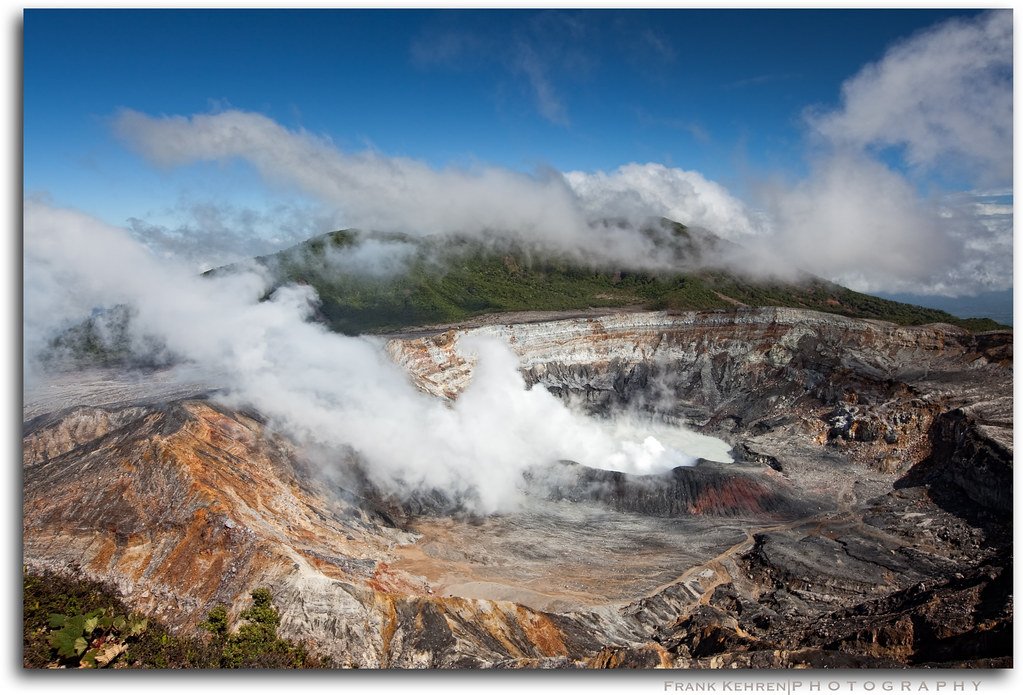
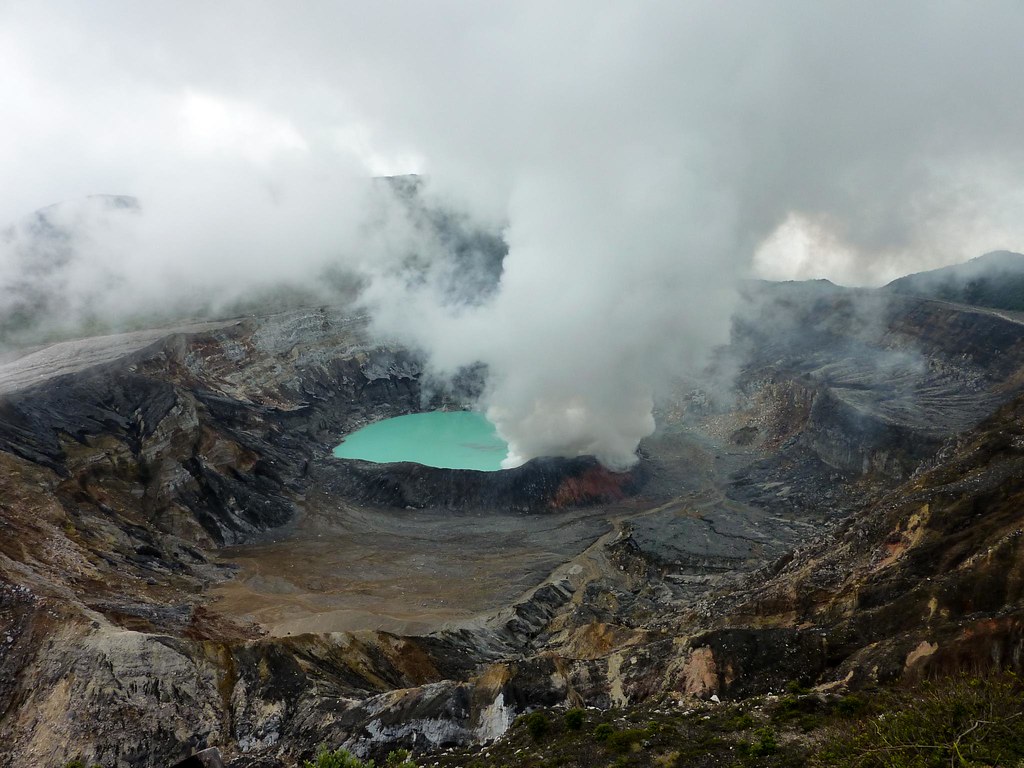
Approaching Poás Volcano, the landscape shifts dramatically from lush cloud forest to stark volcanic terrain. The air carries a faint sulfuric tang, hinting at the immense geological forces beneath your feet. The hike is short but immersive, leading you to the edge of one of the world’s largest acidic crater lakes. Standing at the rim, the vast crater stretches before you, its steaming turquoise waters bubbling with volcanic energy. The contrast between the vibrant green forest and the barren crater creates a surreal atmosphere, evoking both awe and respect for nature’s power. This accessible trek offers a unique chance to witness an active volcano’s raw beauty up close.
Geological Background of Poás Volcano
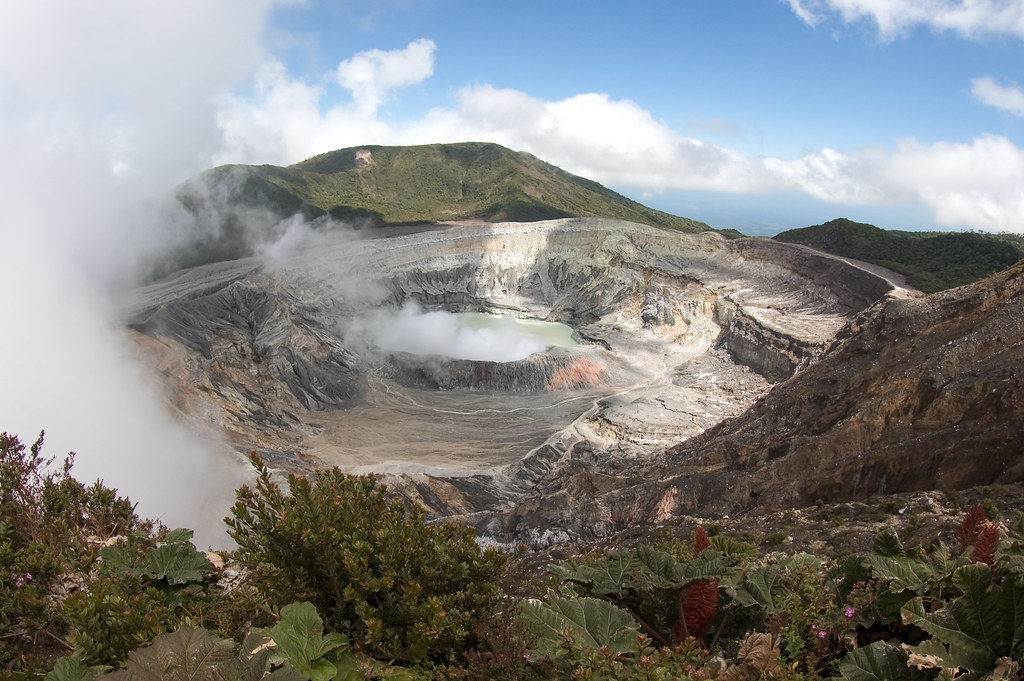
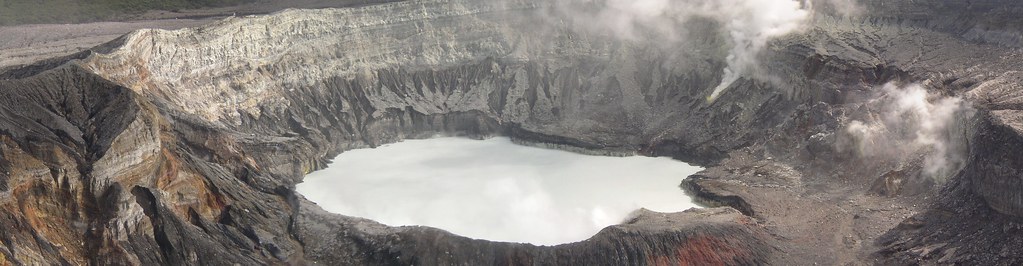
Poás Volcano is a complex stratovolcano located in Costa Rica’s Central Mountain Range, formed approximately 600,000 years ago. Its massive crater, over a mile wide and nearly 300 meters deep, houses Laguna Caliente, one of the world’s largest acidic crater lakes. The volcano’s activity is characterized by frequent phreatic eruptions caused by interactions between magma and groundwater, producing steam, ash, and gas emissions. Notable eruptions in recent history include significant activity in 2017 and 2019, which led to temporary park closures and enhanced safety protocols. The crater’s sulfur deposits and fumaroles create a dynamic environment, while the surrounding cloud forest supports diverse flora and fauna. Poás’ geology offers a fascinating glimpse into volcanic processes and ongoing earth dynamics.
Terrain and Hiking Experience at Poás Volcano
The hike to Poás Volcano’s crater is notably accessible, making it suitable for a wide range of visitors including families and casual hikers. The trail begins at the visitor center and is paved and well-maintained, extending approximately 1.5 kilometers (about one mile) round trip. The elevation gain is minimal, as the park itself is situated at 2,708 meters above sea level, but the trail gently ascends to the main crater viewpoint. The terrain transitions from lush cloud forest with dense vegetation and cool, moist air to the stark, open volcanic landscape near the crater rim. Here, the ground is composed of volcanic ash, loose pumice, and rocky outcrops, requiring sturdy footwear for safe footing. The trail is exposed to wind and occasional sulfurous gases, so hikers should be prepared for sudden temperature changes and the occasional strong breeze. The short hike is punctuated by interpretive signs explaining the volcano’s geology and ecology, enriching the trekking experience. Due to the volcano’s active status, visitor time at the crater viewpoint is limited to about 30 minutes, and access may be restricted during periods of increased activity. Despite the short duration, the hike offers dramatic views of the crater lake, fumaroles, and the surrounding Central Valley. The trail’s ease and the spectacular volcanic features make Poás Volcano a rewarding destination for those seeking a manageable yet thrilling volcano trek.
What Makes the Poás Volcano Trek Unique
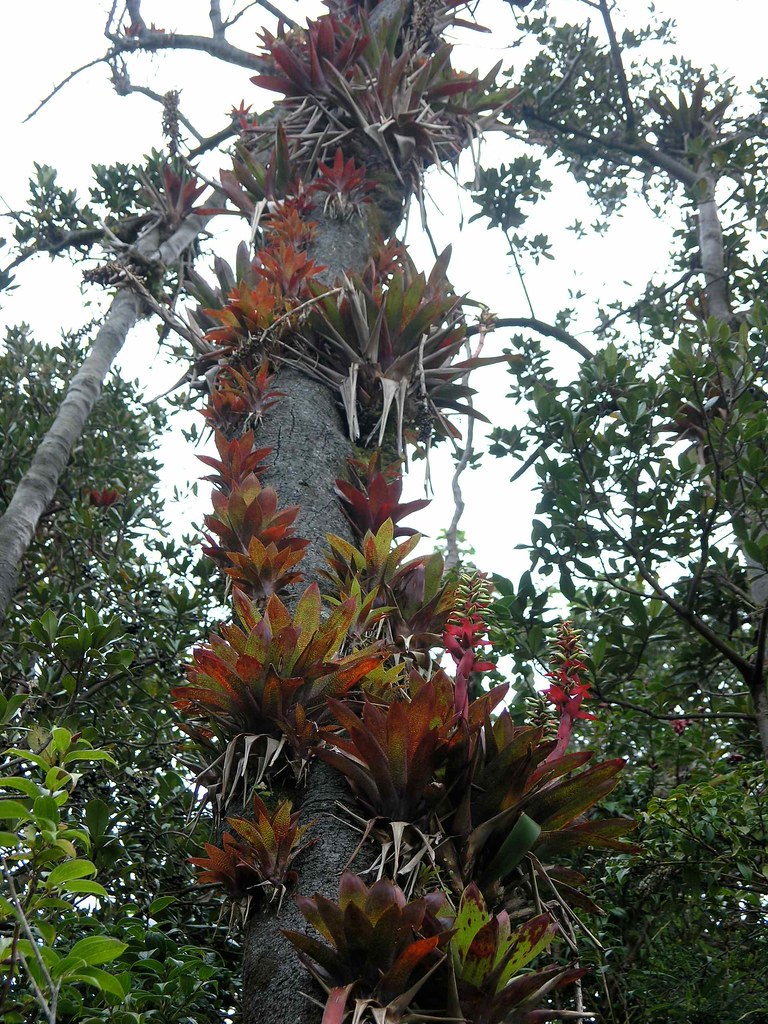
Poás Volcano stands out for its massive acidic crater lake, Laguna Caliente, which is one of the largest of its kind globally. The lake’s vivid turquoise color and constant bubbling create a mesmerizing spectacle rarely seen on other volcano treks. The volcano’s frequent steam and gas emissions add a dynamic, ever-changing element to the landscape. Unlike many remote volcanoes, Poás is easily accessible from Costa Rica’s capital, allowing visitors to experience an active volcano without extensive trekking. The surrounding cloud forest adds biodiversity and contrast, with opportunities to spot exotic wildlife such as toucans and hummingbirds. The combination of geological grandeur, accessibility, and ecological richness makes the Poás Volcano trek a distinctive adventure.
The Summit and Crater Experience
Reaching the crater viewpoint, hikers are greeted by the vast expanse of Poás’ main crater, measuring over 1.7 kilometers wide and nearly 300 meters deep. The acidic lake at the bottom emits steam and sulfuric gases, filling the air with a distinctive scent. The crater’s rim offers panoramic views of the Central Valley and surrounding mountains, often framed by drifting clouds. The sound of bubbling water and escaping gases creates an eerie yet captivating atmosphere. Visitors must wear helmets for safety due to occasional rockfall and follow strict time limits to minimize exposure to volcanic gases. The sensory experience—sight, smell, sound, and the palpable heat from fumaroles—immerses hikers in the volcano’s living power.
Best Time to Trek Poás Volcano
The ideal time to visit Poás Volcano is during Costa Rica’s dry season, from December to April, when clearer skies improve crater visibility. Mornings are generally better for viewing, as cloud cover tends to increase in the afternoon, often obscuring the crater. Visitors should monitor volcanic activity updates, as the park may close temporarily during heightened activity. The park is open daily from 8 AM to 4 PM, with last entry at 2 PM. Weather can be cool and damp due to the high elevation and cloud forest environment, so layered clothing is recommended. Avoid visiting during the rainy season (May to November) when trails can be slippery and visibility poor.
Trekking Routes and Trail Options at Poás Volcano
Poás Volcano National Park offers a primary, well-maintained trail leading from the visitor center to the main crater viewpoint. This paved path is approximately 1.5 kilometers round trip and is suitable for most fitness levels. The trail provides interpretive signage and benches for rest. Besides the main crater trail, the park features the Botos Lagoon Trail, which leads to a cold crater lake surrounded by cloud forest. However, access to the Botos Trail is often restricted due to safety concerns and volcanic activity. Visitors should check current trail availability before planning their hike. Guided tours typically focus on the main crater trail, ensuring visitors experience the volcano’s most dramatic features safely. The short duration and ease of the trails make Poás Volcano an excellent choice for day trips and family outings.
Difficulty Assessment of Poás Volcano Trek
Poás Volcano is classified as an easy volcano trek, suitable for beginners and casual hikers. The paved trail and minimal elevation gain reduce physical demands. The main challenges include exposure to volcanic gases, wind, and occasional slippery surfaces near the crater rim. The high altitude (2,708 meters) may cause mild effects such as shortness of breath for some visitors, but the short trail length minimizes altitude-related difficulties. No technical climbing skills or specialized equipment are required. The trek is accessible to children and older adults, making it an inclusive adventure.
Essential Gear for Trekking Poás Volcano
Visitors should wear sturdy hiking or walking shoes with good grip to navigate paved and rocky terrain safely. Layered clothing is recommended to adapt to temperature changes and wind exposure. A windproof jacket and rain gear are advisable, especially during the rainy season. Sun protection including a hat, sunglasses, and sunscreen is important due to high elevation and limited shade. Carrying water and light snacks is recommended, although the visitor center offers refreshments. Due to volcanic gases, sensitive individuals may consider bringing a mask or scarf. A camera is essential to capture the stunning crater views. Helmets are provided and mandatory at the crater viewpoint for safety.
Safety and Volcanic Hazards at Poás Volcano
Poás Volcano is active, emitting sulfuric gases and steam that can pose respiratory risks, especially to sensitive individuals such as children, pregnant women, and those with heart or respiratory conditions. Visitors must adhere to park regulations, including staying on designated trails and wearing helmets at the crater viewpoint to protect against rockfall. The park limits visitor numbers and time spent near the crater to minimize exposure to volcanic hazards. Sudden changes in volcanic activity can lead to temporary closures. The Costa Rican Volcanological and Seismological Observatory (OVSICORI) and National Emergency Commission (CNE) continuously monitor activity and issue alerts. Visitors should follow ranger instructions and avoid unauthorized access points. Awareness and respect for these hazards ensure a safe and enjoyable visit.
Permits, Guides, and Logistics for Visiting Poás Volcano
Visiting Poás Volcano requires advance planning due to safety protocols and high visitor demand. Entry tickets to Poás Volcano National Park must be purchased online through the official SINAC website (www.sinac.go.cr) prior to arrival. The park limits daily visitor capacity to 56 people to ensure safety and preserve the environment. Visitors are required to watch a safety video and wear helmets at the crater viewpoint. Guided tours are highly recommended for a comprehensive experience and ease of logistics. Reputable tour operators include Greenway Nature Tours, Happy to Visit, Travel Made Me Do It, and Costa Rica Travel Life. These companies offer packages combining transportation from San José, guided hikes, and visits to nearby attractions such as coffee plantations and La Paz Waterfall Gardens. Tour prices range from approximately $100 to $175 USD per person, often including park fees, meals, and bilingual guides. The park is open daily from 8 AM to 4 PM, with last entry at 2 PM. Visitors should arrive early to maximize chances of clear crater views before cloud cover increases. Transportation options include private shuttles, rental cars, and limited weekend bus services from San José and Alajuela. Parking is available at the park for a small fee. Visitors are advised to check current volcanic activity and park status before planning their trip, as temporary closures may occur. Following all safety guidelines and booking through authorized channels ensures a smooth and secure visit to this active volcanic site.
Where to Stay Near Poás Volcano
Accommodation options near Poás Volcano cater to travelers seeking comfort and proximity to the park. The premier lodging choice is Poás Volcano Lodge, located about an hour from San José at the base of the volcano. This deluxe cloud forest retreat offers garden and deluxe rooms with amenities such as WiFi, coffee service, and private bathrooms. The lodge features a restaurant serving Costa Rican and European fusion cuisine, a game room, library, and panoramic terraces. Picnic lunches and guided tours can be arranged directly through the lodge. Nearby towns such as Poasito and Vara Blanca provide charming guesthouses and small hotels that immerse visitors in rural Costa Rican life. These locations offer easy access to the park and additional attractions like strawberry farms, waterfalls, and coffee plantations. For travelers preferring urban amenities, Alajuela city, approximately 45 minutes away, offers a wider range of hotels, restaurants, and transport connections. Popular nearby dining options include Restaurante El Churrasco and Café La Palma. Visitors planning day trips often choose to stay in San José, which is about 1.5 hours from the volcano, benefiting from extensive accommodation and transport services. Whether seeking rustic charm or upscale comfort, the Poás Volcano region provides diverse lodging to suit various preferences and budgets.