Nevado de Toluca Volcano Trekking Guide: Exploring Mexico’s Majestic Stratovolcano and Its Twin Crater Lakes
Nevado de Toluca, Mexico’s fourth highest volcano, offers a thrilling moderate-level trek featuring rugged ridgelines, two stunning crater lakes, and panoramic views. This guide covers geology, terrain, routes, permits, gear, safety, accommodations, and logistics for an unforgettable high-altitude volcano adventure near Mexico City.
Quick Volcano Snapshot
| Attribute | Value |
|---|---|
| Volcano type | Stratovolcano |
| Elevation | 4,680 m (15,350 ft) |
| Location | Central Mexico, near Toluca |
| Activity status | Dormant |
| Trekking difficulty | Moderate |
| Typical trek duration | 6-7 hours |
| Altitude gain | 750 m (2,461 ft) |
| Terrain type | Volcanic ridgelines, ash slopes, rocky scrambles, crater lakes |
| Best season | March to May, October to November |
| Temperature range | -5°C to 15°C (23°F to 59°F) depending on season and altitude |
| Permit requirement | Park entry fee required; guided tours recommended |
Introduction: The Experience of Hiking Nevado de Toluca
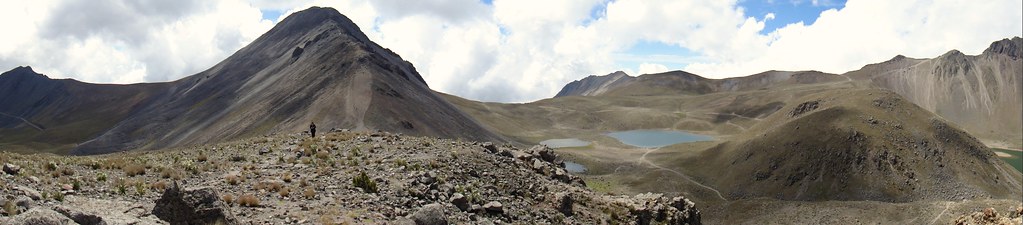
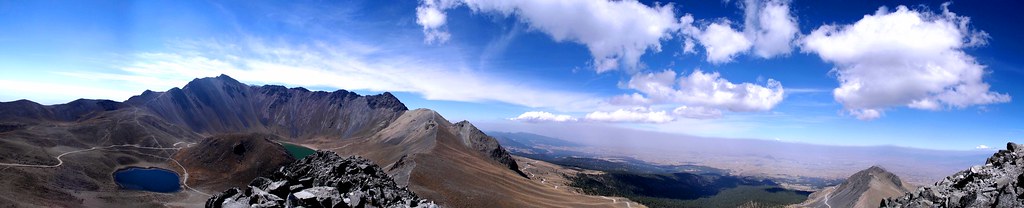
Approaching Nevado de Toluca, the landscape unfolds into a vast volcanic caldera crowned by twin crater lakes shimmering in deep blues and greens. The air thins as you ascend above 4,000 meters, heightening your senses to the raw geological power beneath your feet. The trail weaves along rugged ridgelines, where volcanic rock and ash create a dramatic contrast with the serene lakes nestled inside the crater. Reaching the summit, the panorama stretches across Central Mexico, a breathtaking reward for the physical challenge. The silence around the crater lakes invites reflection, while the volcanic terrain tells a story of ancient eruptions and natural forces shaping the land.
The Volcano Itself: Geological Background
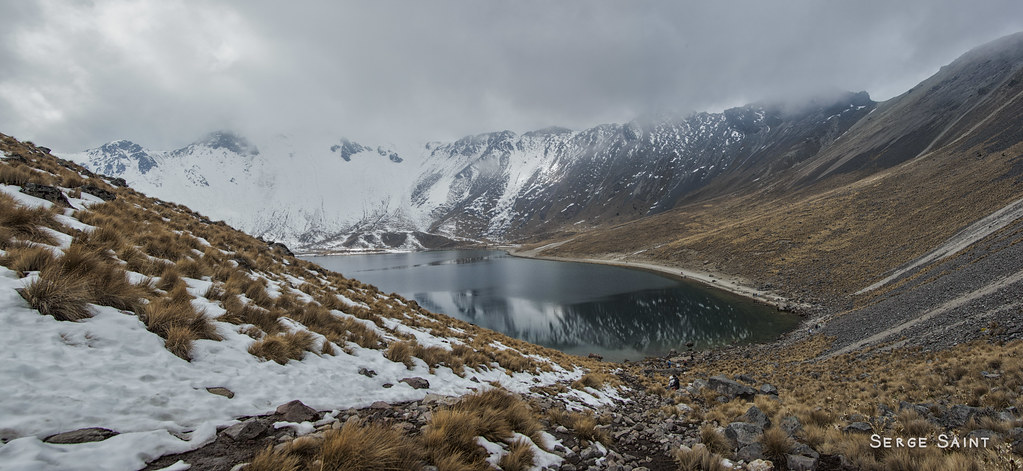
Nevado de Toluca, also known by its Nahuatl name Xinantécatl meaning “Naked Lord,” is a dormant stratovolcano towering at 4,680 meters. It formed through successive eruptions that built up layers of lava and ash, creating its imposing cone and large summit caldera. The volcano’s most distinctive geological feature is its twin crater lakes, Laguna del Sol and Laguna de la Luna, which occupy the caldera and are among the highest lakes in the world. These lakes are remnants of past volcanic activity and hold archaeological significance, with evidence of ancient ritual use by indigenous peoples. The volcano’s terrain includes volcanic minerals, fumaroles, and sulfur deposits, offering a vivid glimpse into its fiery past. Although currently dormant, Nevado de Toluca’s geological formations reveal a dynamic history of eruptions and lava flows that have shaped the surrounding landscape.
The Volcano Trek: Terrain and Hiking Experience
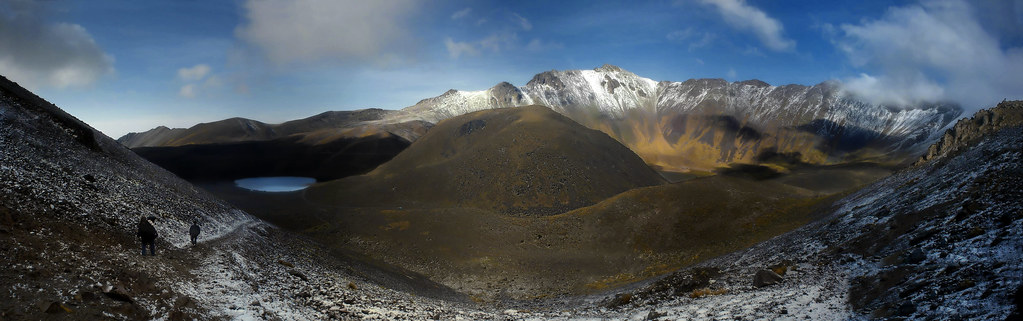
The Nevado de Toluca trek is a demanding yet rewarding high-altitude adventure that challenges hikers with a variety of volcanic terrains. Starting at around 4,000 meters, the trail quickly immerses you in alpine conditions where the air is thin and temperatures can fluctuate sharply. The route features steep ash slopes that require careful footing, as loose volcanic ash and pumice can make traction tricky. Sections of the hike involve Class 2-3 scrambling over rugged volcanic rock ridges, demanding surefootedness and a head for heights. Exposure along the ridgeline adds an element of thrill, with panoramic views unfolding at every turn. The terrain is often rocky and uneven, with occasional snow patches near the summit during colder months, where microspikes or crampons may be necessary for safety. The volcanic scree slopes can be slippery, requiring hikers to descend with controlled slides. The trail circumnavigates the caldera, offering close encounters with the crater lakes, where the terrain softens to grassy and rocky shores. Wind conditions near the summit can be strong and chilling, so layered clothing is essential. Altitude effects such as dizziness or shortness of breath are common, making acclimatization critical. Overall, the hike combines technical scrambling, route-finding challenges, and high-altitude endurance, rewarding trekkers with dramatic volcanic landscapes and serene crater lake vistas.
What Makes This Volcano Trek Unique
Nevado de Toluca stands out for its rare combination of accessibility, geological features, and cultural significance. Unlike many high volcanoes, it offers direct road access close to the crater rim, allowing hikers to experience alpine volcanic terrain without multi-day expeditions. The twin crater lakes, Laguna del Sol and Laguna de la Luna, are among the few volcanic lakes in Mexico accessible to visitors, providing a stunning focal point within the caldera. The hike’s ridgeline traverse around the crater offers varied terrain, from steep scrambles to gentle lakeside walks. The volcano’s dormant status and protected national park setting preserve its natural beauty and ecological diversity. Additionally, the volcano’s proximity to Mexico City makes it a popular gateway for adventurers seeking high-altitude trekking near a major urban center. The blend of volcanic geology, alpine lakes, and cultural history creates a unique trekking experience that combines natural wonder with physical challenge.
The Summit and Crater Experience
Reaching the summit of Nevado de Toluca is a moment of profound awe. The panoramic views stretch across the Central Mexican highlands, revealing distant mountain ranges and the sprawling urban silhouette of Toluca below. The summit ridge exposes hikers to the raw volcanic landscape — jagged rocks, patches of snow, and the unmistakable scent of sulfur lingering near fumaroles. Standing at the crater rim, the twin lakes lie serenely below, their colors shifting with the light and weather, framed by steep volcanic walls. The air is crisp and thin, and the silence is punctuated only by the wind and distant calls of alpine birds. The heat from fumaroles contrasts with the cool mountain air, and the subtle sounds of escaping volcanic gases remind visitors of the volcano’s dormant power. This sensory experience — the sights, smells, and sounds — creates a deep connection to the Earth’s dynamic forces.
Best Time to Trek Nevado de Toluca
The optimal trekking seasons for Nevado de Toluca are during the dry months from March to May and October to November. These periods offer clearer skies, more stable weather, and reduced risk of rain or snow, enhancing safety and visibility. Winter months can bring snow and ice, increasing the technical difficulty and requiring additional gear such as crampons. The rainy season, typically from June to September, can make trails slippery and hazardous, with increased risk of sudden weather changes and reduced visibility. Early morning starts are recommended to avoid afternoon winds and potential thunderstorms. Due to the high altitude, temperature swings are common, so trekkers should prepare for cold mornings and warmer midday conditions. Park regulations and volcanic monitoring may impose seasonal restrictions, so checking current conditions before planning a trek is essential.
Trekking Routes and Trail Options
Nevado de Toluca offers several trekking routes catering to different skill levels and interests. The most popular route begins at the parking area near the crater rim, accessible by road, which allows hikers to start at approximately 4,000 meters elevation. From here, a well-marked trail leads to the summit peaks Pico del Fraile and Pico del Águila, involving 6-7 hours of hiking with 750 meters of elevation gain. This route includes sections of Class 2-3 scrambling along exposed ridgelines, requiring good fitness and scrambling experience. An alternative is the crater rim loop trail, which circumnavigates the caldera and passes by the twin crater lakes, offering a less technical but still high-altitude hike of about 8 kilometers. For those seeking a less strenuous option, guided tours often provide a lakes-only hike focusing on Laguna del Sol and Laguna de la Luna, suitable for moderate fitness levels. Multi-day trekking and camping options exist within the national park, allowing for acclimatization and exploration of surrounding trails. Guided ascents are available through operators like Ecotura, Que Loco Tours, and Explore-Share, providing safety, local knowledge, and logistical support.
Difficulty Assessment
Nevado de Toluca is classified as a moderate volcano trek with demanding elements. The high altitude above 4,000 meters presents a significant challenge, requiring acclimatization to avoid altitude sickness. The terrain includes steep ash slopes, loose volcanic scree, and Class 2-3 scrambling sections with exposure, necessitating surefootedness and comfort with heights. While technical climbing gear is generally not required, helmets are recommended to protect against rockfall, and microspikes or crampons may be needed in snowy conditions. The hike demands good physical fitness, endurance, and experience with off-trail navigation, especially for unguided ascents. It is not suitable for beginners, sedentary individuals, pregnant women, or those with serious medical conditions. Overall, the trek is best suited for hikers with prior high-altitude experience and scrambling skills.
Essential Volcano Trekking Gear
Key gear for Nevado de Toluca includes sturdy hiking boots with excellent grip to handle rocky and loose volcanic terrain. Trekking poles are highly recommended to aid balance on steep slopes and scree. Due to potential snow patches, microspikes or crampons may be necessary in colder months. A helmet is essential for protection against rockfall during scrambling sections. Layered clothing is crucial to adapt to temperature fluctuations, including a windproof jacket, thermal base layers, and gloves. A headlamp is useful for early morning starts or late descents. Given the high altitude and exposure, sun protection such as sunglasses, sunscreen, and a wide-brimmed hat is vital. Hydration systems and sufficient water are necessary, as the environment is dry with little shade. A gas mask or respirator is generally not required, as the volcano is dormant and gas emissions are minimal.
Safety and Volcanic Hazards
Although Nevado de Toluca is dormant, safety considerations remain paramount. The high altitude poses risks of altitude sickness, including headaches, nausea, and dizziness; proper acclimatization and hydration are essential. The volcanic terrain includes unstable scree slopes and loose rocks, increasing the risk of slips and falls, especially on steep ash slopes and scrambling sections. Rockfall hazards necessitate wearing helmets during exposed ridgeline traverses. Weather can change rapidly, with strong winds, cold temperatures, and occasional snow or rain, requiring appropriate gear and preparedness. While eruptions are not currently a threat, hikers should stay informed through local park authorities and volcanic monitoring agencies. Trail conditions may vary, and route-finding skills are important as cairns are sparse. Emergency services are limited in the park, so trekking with a guide or in groups is recommended for safety.
Permits, Guides, and Logistics
Access to Nevado de Toluca requires payment of a park entry fee, approximately 150 Mexican pesos, collected at the entrance. While independent hiking is possible, guided tours are highly recommended due to the challenging terrain, high altitude, and route-finding demands. Certified local guides provide safety, acclimatization advice, and interpretive knowledge of the volcano’s geology and ecology. Notable tour operators include Ecotura, Que Loco Tours, Explore-Share, and Vibe Adventures, offering full-day hikes with transportation from Mexico City, meals, and equipment guidance. Tours typically start early morning around 5:30 am from central Mexico City locations such as Fiesta Americana Reforma, with air-conditioned minivan transfers to the trailhead. Group sizes are usually limited to 16 participants to ensure personalized attention. Permits are managed by the national park authorities, and no special climbing permits beyond park entry are required. Visitors should check for seasonal trail closures or road access restrictions, such as the planned highway closure near the trailhead starting December 2025. Logistics include preparing for high-altitude conditions, bringing appropriate gear, and arranging transportation, either via guided tours or private vehicles. Public transport options exist from Mexico City to Toluca, followed by taxis or buses to the park entrance. Accommodation and camping options are available nearby for acclimatization and multi-day treks.
Where to Stay Near Nevado de Toluca
Accommodation options near Nevado de Toluca cater to a range of preferences, from rustic lodges to comfortable hotels in nearby towns. The city of Toluca, approximately 43 kilometers northeast, offers numerous hotels such as Best Western Toluca, Hotel Eclipse Toluca, and Holiday Inn Express Toluca, featuring amenities like free Wi-Fi, fitness centers, and convenient access to local dining and shopping. For a more nature-immersed experience, cabins and lodges like Cabanas Nevado 4 Elementos provide proximity to the national park with rustic charm and easy access to trailheads. Valle de Bravo, about 20 miles away, offers additional lodging options including cabins in forested settings, ideal for those seeking tranquility before or after the trek. Camping is possible within the park, with designated areas near the trailhead allowing for acclimatization and early starts. Many guided tours include hotel pickup and drop-off from Mexico City or Toluca, simplifying logistics. Visitors should book accommodations in advance during peak trekking seasons (March-May, October-November) to secure availability. Amenities vary, so hikers should consider proximity to the park, comfort level, and transportation options when choosing where to stay.