

Trekking Tafahi Volcano: A Guide to Tonga’s Steep Volcanic Island Adventure
Tafahi Volcano, a dormant stratovolcano in Tonga’s northern Niuas island group, offers a unique trekking experience on a steep volcanic island covered in lush vegetation. This guide covers the geological background, hiking terrain, routes, permits, safety, and accommodation options for adventurous volcano trekkers.
Quick Volcano Snapshot
| Attribute | Value |
|---|---|
| Volcano type | Stratovolcano |
| Elevation | 560 m (1,837 ft) |
| Location | Tonga, Niuas Islands, South Pacific |
| Activity status | Dormant |
| Trekking difficulty | Moderate |
| Typical trek duration | 1-2 days |
| Altitude gain | Approximately 560 m |
| Terrain type | Steep volcanic slopes, lush vegetation, rocky trails |
| Best season | May to October (dry season) |
| Temperature range | 24°C to 30°C (75°F to 86°F) |
| Permit requirement | No formal permit required; local guide recommended |
Introduction: The Experience of Hiking Tafahi Volcano
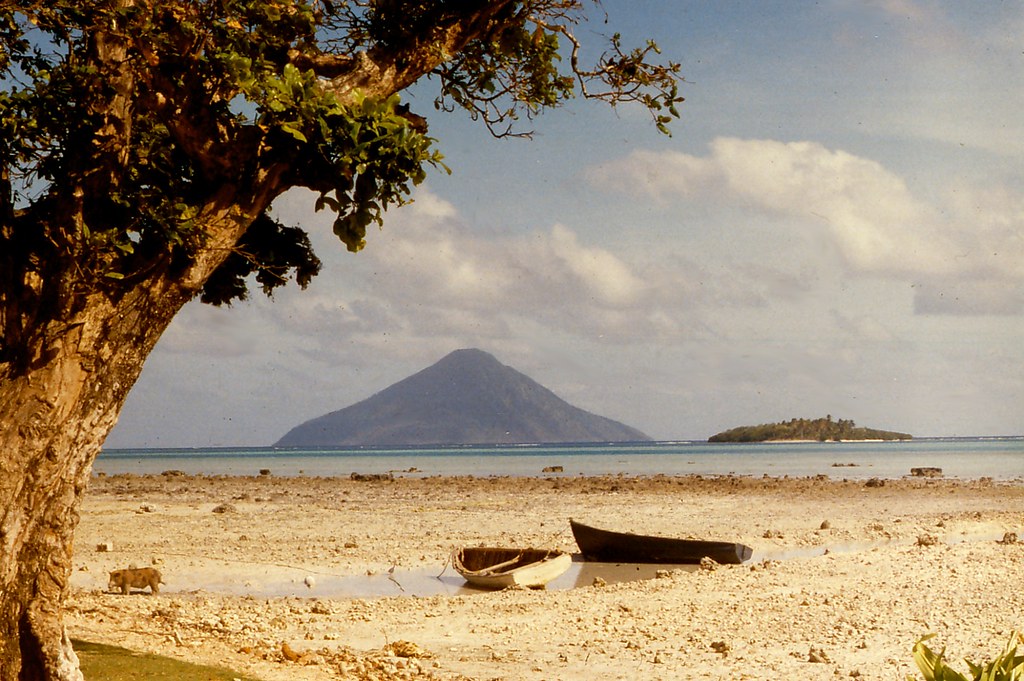
Approaching Tafahi Volcano, the island’s steep, conical silhouette rises dramatically from the turquoise South Pacific waters. The trek immerses you in a landscape where volcanic power meets tropical lushness. As you ascend, the contrast between the rugged volcanic rock and vibrant vegetation creates a vivid tapestry. The climb challenges your endurance with steep slopes and uneven terrain, but the reward is the breathtaking panorama from the summit, where on clear days you can glimpse neighboring Samoa. Reaching the crater rim, the sense of standing atop an ancient volcanic giant evokes awe and a deep connection to the Earth’s dynamic forces.
The Volcano Itself: Geological Background
Tafahi is a classic stratovolcano, formed by successive layers of hardened lava, ash, and volcanic debris. Its cone-shaped profile is typical of this volcano type, characterized by steep slopes and a prominent summit. The volcano rises to 560 meters above sea level on a small island roughly 3.4 square kilometers in area. Geological evidence suggests Tafahi is dormant, with no recent eruptions recorded, but its volcanic origins are evident in the rugged terrain and fertile soils. The island’s volcanic soil supports lush vegetation, including fan palms and other tropical flora. Local mythology hints at historic volcanic activity, interpreting ancient eruptions through traditional stories. The volcano’s crater and surrounding slopes feature volcanic minerals and occasional fumarolic activity, contributing to the island’s unique geological character.
The Volcano Trek: Terrain and Hiking Experience
Trekking Tafahi Volcano is a moderately challenging adventure that demands good physical fitness and a spirit of exploration. The trail begins near the island’s small village, ascending steeply through dense tropical vegetation that thrives on the volcanic soil. Early sections of the hike wind through lush greenery, with the ground soft underfoot but occasionally slippery due to humidity and leaf litter. As you gain altitude, the terrain becomes rockier, with volcanic stones and loose scree requiring careful footing. The steep slopes test your endurance, and the trail’s incline can be relentless in places, demanding steady pacing and frequent breaks.
The volcanic terrain presents a mix of ash-covered paths and rugged lava rock formations. Hikers often encounter narrow ridges offering dramatic views but also requiring caution due to exposure. The volcanic soil’s fertility supports a diverse ecosystem, so expect to see tropical plants and hear native birds along the way. The climate is warm and humid, with temperatures rising quickly under the tropical sun, making early morning starts advisable to avoid midday heat.
Wind conditions near the summit can be brisk, providing relief but also increasing the chill factor, especially if clouds roll in. Altitude effects are minimal given the modest elevation, but the steepness can cause fatigue. The trail is generally well-marked, though local guides are recommended to navigate less obvious sections and to enrich the experience with cultural and natural insights.
Descending the volcano involves careful navigation of loose volcanic scree and rocky paths, where trekking poles can aid stability. The combination of steep ascents, varied terrain, and tropical climate makes the Tafahi trek a rewarding challenge for volcano enthusiasts seeking an immersive natural experience away from crowded trails.
What Makes This Volcano Trek Unique
Tafahi Volcano offers a rare opportunity to hike a steep volcanic island in the remote South Pacific, combining geological intrigue with tropical biodiversity. Unlike many volcano treks dominated by barren lava fields, Tafahi’s slopes are cloaked in lush vegetation, creating a striking contrast between volcanic rock and vibrant greenery. The island’s isolation adds to the sense of adventure, with few tourists venturing here, preserving its pristine environment.
The summit provides panoramic views not only of the island itself but also of neighboring islands and, on clear days, distant Samoa. The cultural richness of the Niuas island group enhances the trek, with local guides sharing traditional stories and insights into the island’s volcanic past. The blend of natural beauty, geological significance, and cultural depth makes the Tafahi trek a distinctive experience for volcano hikers.
The Summit and Crater Experience
Reaching the summit of Tafahi Volcano is a moment of profound reward. The crater rim offers sweeping views of the surrounding ocean, neighboring islands, and the vast South Pacific horizon. The air is fresh and often carries the subtle scent of tropical flora mixed with faint traces of volcanic minerals. From this vantage point, the island’s volcanic origins become tangible, as you gaze down into the ancient crater and across the rugged slopes.
The summit’s exposure to wind and weather adds a dynamic element to the experience, with clouds sometimes swirling around the peak, enhancing the dramatic atmosphere. The silence at the top is punctuated only by the sounds of seabirds and the distant ocean waves. This elevated perspective invites reflection on the immense geological forces that shaped the island and the enduring power of nature.
Best Time to Trek Tafahi Volcano
The optimal time to trek Tafahi Volcano is during Tonga’s dry season, from May to October. During these months, rainfall is lower, trails are less slippery, and weather conditions are generally stable, providing safer and more enjoyable hiking. The temperatures range from 24°C to 30°C, with cooler mornings and evenings.
Avoid the cyclone season between November and April, when heavy rains, strong winds, and potential flooding can make trekking hazardous. Early morning starts are recommended year-round to avoid the midday tropical heat and to take advantage of clearer skies for summit views. Monitoring local weather forecasts and volcanic activity reports is advisable before planning your trek.
Trekking Routes and Trail Options
The primary trekking route on Tafahi begins near the island’s main village on the northern plateau. This well-marked trail ascends steeply through tropical forest and volcanic terrain to the summit. The hike typically takes between 4 to 6 hours round trip, depending on fitness and pace.
There are no alternative formal routes due to the island’s small size and steep topography, but local guides may offer variations that include exploring ridge lines or detours to coastal viewpoints. The trail’s moderate difficulty and manageable length make it suitable for a one or two-day trek, with options to camp near the summit or stay in village accommodations.
Guided hikes are common and recommended to enhance safety and cultural understanding. Self-guided trekking is possible but requires good navigation skills and preparation. Access to the island is usually by boat from nearby Niuatoputapu, with local fishermen providing transport services. Planning logistics around boat schedules is essential for timing your trek.
Difficulty Assessment
Tafahi Volcano’s trek is classified as a moderate volcano trek. The steep slopes and uneven volcanic terrain require a reasonable level of fitness and sure-footedness. While technical climbing skills are not necessary, hikers should be prepared for sustained uphill walking on loose volcanic rock and occasional slippery sections.
Altitude is not a significant factor given the summit’s modest elevation of 560 meters, but the steep gradient can cause fatigue. The tropical climate adds heat and humidity challenges, making hydration and sun protection critical. Overall, the trek is accessible to experienced hikers and adventurous beginners who are well-prepared and accompanied by a local guide.
Essential Volcano Trekking Gear
Key gear for trekking Tafahi includes sturdy hiking boots with good grip to handle rocky and loose volcanic terrain. Trekking poles are highly recommended to aid balance on steep ascents and descents. Lightweight, breathable clothing suitable for tropical climates will help manage heat and humidity.
Sun protection is essential: bring a wide-brimmed hat, sunglasses, and high-SPF sunscreen. A hydration system or water bottles with sufficient capacity are critical, as water sources on the trail are limited. A rain jacket or windbreaker is advisable for sudden weather changes near the summit. Additionally, a basic first aid kit, insect repellent, and a headlamp for early starts or late finishes enhance safety and comfort.
Safety and Volcanic Hazards
Tafahi Volcano is dormant, presenting minimal volcanic hazards such as eruptions or gas emissions. However, trekkers should remain cautious of natural risks including steep and unstable slopes, loose volcanic scree, and sudden weather changes common in tropical island environments.
The trail’s steepness and rocky terrain increase the risk of slips and falls, so proper footwear and trekking poles are essential. Weather can shift rapidly, bringing rain and wind that reduce visibility and trail safety. There are no formal volcanic monitoring stations on Tafahi, so hikers should check local weather and safety advisories before the trek.
Wildlife encounters are generally benign, but insect bites can be a nuisance; insect repellent is recommended. Emergency services on the island are limited, so carrying a communication device and informing local contacts of your plans is prudent. Hiring a local guide enhances safety by providing expert knowledge of the terrain and conditions.
Permits, Guides, and Logistics
No formal permit is required to hike Tafahi Volcano, but access to the island is typically arranged via local fishermen who provide boat transport from nearby Niuatoputapu. Visitors are strongly advised to hire a local guide, both for navigation and to enrich the cultural and natural experience. Guides are familiar with the terrain, weather patterns, and local customs, enhancing safety and enjoyment.
Tour operators such as Tonga Travel Troupe and Tonga Tour Guide offer organized trips that include boat transfers, guided hikes, and cultural interactions. These operators can assist with logistics, including accommodation arrangements and transport scheduling. Costs for boat transfers vary but are generally affordable, reflecting the island’s remote and low-tourism status.
Visitors should plan carefully due to limited infrastructure: there are no formal visitor centers or emergency services on Tafahi. Communication is limited, so informing contacts on Niuatoputapu or Tonga’s main islands about your itinerary is essential. Carrying sufficient water, food, and emergency supplies is necessary, as there are no shops or resupply points on the island.
Seasonal weather conditions affect accessibility; the dry season (May to October) offers the best conditions for travel and trekking. During cyclone season, boat transfers may be canceled, and trekking is not advised. Overall, while Tafahi offers a rewarding volcano trekking experience, it requires careful planning, respect for local customs, and reliance on experienced local guides.
Where to Stay Near Tafahi Volcano
Accommodation options on Tafahi Island itself are extremely limited due to its small population and minimal tourism infrastructure. Most visitors stay on the nearby island of Niuatoputapu, which offers basic guesthouses and village homestays. These provide a warm, authentic Tongan experience with opportunities to engage with local culture.
For more comfortable lodging, travelers often base themselves on Tongatapu, Tonga’s main island, where a range of accommodations from budget guesthouses to mid-range hotels like The Kongakava Hotel in Nuku’alofa are available. These establishments offer amenities such as restaurants, Wi-Fi, and easy access to transport services.
To reach Tafahi, visitors typically take a small boat from Niuatoputapu, arranged through local fishermen or tour operators. Staying in Niuatoputapu allows early morning departures to Tafahi and a relaxed pace to explore the region. While on Niuatoputapu, accommodations are modest but hospitable, often family-run, providing basic facilities and a chance to experience island life.
For those seeking a more resort-style stay, options exist on other Tongan islands such as Ha’apai and Vava’u, but these require additional travel. Given the remote nature of Tafahi, planning overnight stays around Niuatoputapu or Tongatapu is the most practical approach. Visitors should book accommodations and transport well in advance, especially during peak dry season months.
