
Hiking the Karymsky Mud Volcanoes: A Guide to Kamchatka’s Active Mud Volcano Trek
Explore the unique and active Karymsky Mud Volcanoes on Russia’s Kamchatka Peninsula. This guide covers the geological background, trekking experience, routes, safety, permits, and accommodation options for an unforgettable volcano hiking adventure.
Quick Volcano Snapshot
| Attribute | Value |
|---|---|
| Volcano type | Mud volcanoes |
| Elevation | 1486 m |
| Location | Kamchatka Peninsula, Russia |
| Activity status | Active |
| Trekking difficulty | Easy |
| Typical trek duration | 3-4 days |
| Altitude gain | Approximately 600 m |
| Terrain type | Lava fields, mud pools, ash slopes, volcanic rock |
| Best season | July to September |
| Temperature range | 5°C to 15°C in summer |
| Permit requirement | Required for guided tours; permits arranged by tour operators |
Introduction: The Experience of Hiking the Karymsky Mud Volcanoes
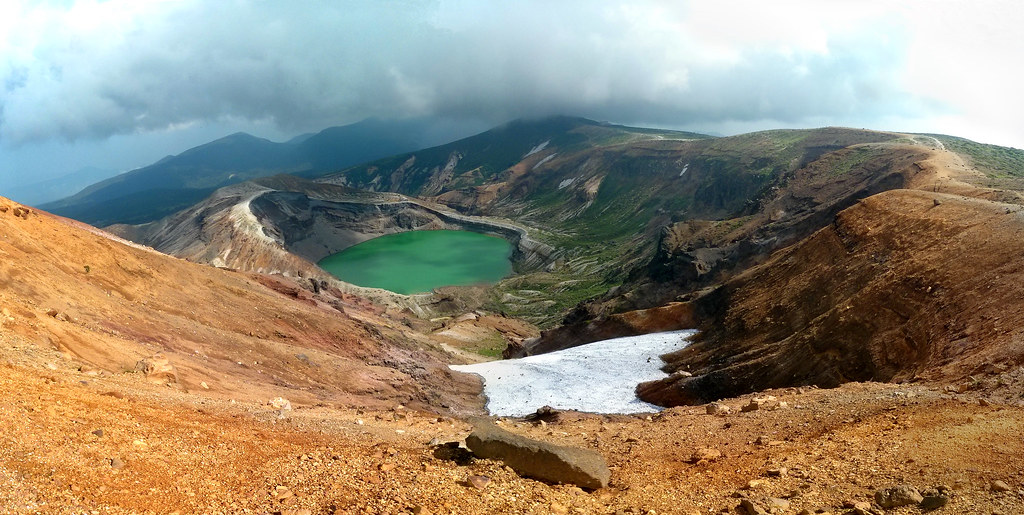
Approaching the Karymsky Mud Volcanoes, trekkers are greeted by a surreal landscape where bubbling mud pools and steaming fumaroles punctuate the barren volcanic terrain. The air carries the faint scent of sulfur, a reminder of the earth’s restless power beneath your feet. The contrast between the dark volcanic ash and the vibrant blue skies creates a dramatic backdrop for this unique hike. As you ascend, the landscape unfolds into a panorama of active mud volcanoes, each bubbling and gurgling with life. Reaching the edge of the mud volcanoes, the raw geological forces become tangible, offering an emotional connection to the planet’s dynamic processes. This trek is not just a hike but an immersive journey into the heart of volcanic activity on Kamchatka Peninsula.
The Volcano Itself: Geological Background
The Karymsky Mud Volcanoes are part of the active volcanic landscape of the Kamchatka Peninsula, a region renowned for its intense geological activity. Unlike typical stratovolcanoes, these mud volcanoes emit bubbling mud and gases rather than lava flows. The mud volcanoes form as a result of subterranean gases and fluids forcing their way through sediment layers, creating pools of boiling mud and steaming vents. Karymsky itself is a symmetrical stratovolcano rising within a 5-km-wide caldera formed during the early Holocene. It is one of Kamchatka’s most active volcanoes, erupting continuously since 1996 with vulcanian and strombolian activity. The mud volcanoes nearby are a fascinating geological phenomenon, showcasing the interaction of volcanic gases with sedimentary deposits. These features provide a unique window into the subterranean processes shaping the region’s volcanic activity.
The Volcano Trek: Terrain and Hiking Experience
The trek to the Karymsky Mud Volcanoes offers an accessible yet captivating hiking experience through diverse volcanic terrain. The route typically begins in the valley near the volcanologist’s base camp, situated at approximately 900 meters elevation. From here, hikers traverse a landscape marked by dry riverbeds and alder elfin bushes, which can make the initial passage somewhat challenging due to dense undergrowth. As the trail ascends, the terrain shifts to rugged lava fields and sharp volcanic spurs, requiring careful footing over jagged rocks and uneven surfaces. The volcanic ash slopes are loose and granular, demanding steady balance and moderate physical effort. The path skirts the caldera walls, offering expansive views of the surrounding volcanic peaks and the steaming mud volcanoes themselves. Weather conditions can vary, with cool temperatures and occasional strong winds near the summit area. The volcanic terrain is interspersed with fumaroles emitting steam and sulfurous gases, adding to the sensory experience but also necessitating caution. The trail is well-marked for guided groups, and the overall difficulty is rated easy to moderate, suitable for hikers with a reasonable level of fitness. The hike duration ranges from 3 to 4 days, including side excursions to nearby volcanic features such as the Dvor Volcano and Karymskoye Lake. The presence of hot springs near the base camp provides a welcome opportunity for relaxation after long days on the trail. Overall, the hiking experience combines the thrill of exploring active volcanic phenomena with the challenge of navigating varied and sometimes rugged terrain, making it a rewarding adventure for volcano enthusiasts.
What Makes This Volcano Trek Unique
The Karymsky Mud Volcanoes trek stands out for its extraordinary display of active mud volcanoes, a rare volcanic phenomenon where bubbling mud pools and steaming vents dominate the landscape. Unlike typical lava-spewing volcanoes, these mud volcanoes offer a tactile and visual spectacle of the earth’s geothermal energy in action. The continuous activity of Karymsky stratovolcano nearby adds dramatic volcanic ash plumes and thermal anomalies to the scene. The trek also features proximity to Karymskoye Lake, a crater lake with acidic waters formed by volcanic activity, and the surrounding caldera walls that frame the volcanic landscape. The combination of active mud volcanoes, steaming fumaroles, and the backdrop of one of Kamchatka’s most active stratovolcanoes creates a unique environment that is both scientifically fascinating and visually stunning. Additionally, the opportunity to bathe in natural hot springs near the base camp enhances the experience, blending adventure with relaxation in a pristine wilderness setting.
The Summit and Crater Experience
Reaching the vicinity of the Karymsky Mud Volcanoes’ active vents, hikers are immersed in a landscape alive with geothermal energy. The summit area is marked by bubbling mud pools that emit hissing sounds and occasional bursts of mud, creating a dynamic and ever-changing scene. The air is thick with the smell of sulfur, and steam rises continuously from fumaroles scattered across the terrain. The ground vibrates subtly underfoot, a reminder of the volcanic forces at work beneath the surface. From vantage points near the crater rim, panoramic views stretch across the Kamchatka volcanic zone, including neighboring peaks such as Maly Semyachik and the distant Zhupanovsky volcano. The contrast between the dark volcanic ash, the steaming mud pools, and the vibrant blue sky creates a surreal and dramatic atmosphere. This sensory-rich environment offers a profound connection to the earth’s inner workings, making the summit experience both thrilling and humbling.
Best Time to Trek the Karymsky Mud Volcanoes
The optimal trekking season for the Karymsky Mud Volcanoes is during the summer months from July to September. During this period, the weather is relatively mild, with temperatures ranging from 5°C to 15°C, and the trails are generally free of snow and ice. Summer offers the clearest views of volcanic activity and surrounding landscapes, with longer daylight hours facilitating extended hiking days. Outside this window, the region experiences harsh winter conditions with heavy snowfall and freezing temperatures, making trekking difficult and potentially hazardous. Additionally, volcanic activity is monitored year-round, and access may be restricted during periods of heightened eruption risk. Trekkers should plan their visit in coordination with local guides and monitoring agencies to ensure safety and optimal conditions for observing the volcanoes.
Trekking Routes and Trail Options
The primary trekking route to the Karymsky Mud Volcanoes begins near the volcanologist’s base camp located in the Karymsky river valley at about 900 meters elevation. From here, the trail ascends through a mix of dry riverbeds and dense alder bushes before reaching the lava fields and volcanic spurs surrounding the mud volcanoes. The main trek typically spans 3 to 4 days, allowing time for exploration of nearby volcanic features such as the Dvor Volcano and Karymskoye Lake. Side excursions include a radial hike to the Dvor Volcano, approximately 9 kilometers one way, offering panoramic views of Karymsky and neighboring volcanoes. The trail is well-suited for guided groups, with campsites established near the volcanologist’s house and hot springs providing rest points. Helicopter transfers from Petropavlovsk-Kamchatsky or Paratunka to the trailhead are common, reducing approach time and allowing more focus on the volcanic terrain. Self-guided trekking is not recommended due to the remote location and active volcanic hazards. Guided tours offer varying itineraries, some combining the Karymsky trek with visits to other Kamchatka highlights such as the Valley of Geysers and Mutnovsky Volcano. Overall, the routes provide a balance of accessible hiking and immersive volcanic exploration.
Difficulty Assessment
The Karymsky Mud Volcanoes trek is classified as an easy to moderate volcano hike. The terrain includes some steep ash slopes, uneven lava fields, and loose volcanic rock, which require good balance and moderate physical fitness but no technical climbing skills. The altitude is relatively low, with the highest points around 1486 meters, minimizing risks of altitude sickness. Weather conditions can be variable, with cool temperatures and occasional strong winds near the summit area. The trail is suitable for hikers with basic endurance and experience in uneven terrain. Guided support and camping infrastructure enhance safety and comfort, making the trek accessible to a wide range of adventure travelers.
Essential Volcano Trekking Gear
For trekking the Karymsky Mud Volcanoes, essential gear includes sturdy hiking boots with good grip to navigate lava fields and loose ash slopes. Trekking poles are recommended for stability on uneven terrain. A windproof and waterproof jacket is necessary due to variable weather and wind exposure. Given the presence of volcanic gases, a lightweight gas mask or respirator can be useful, especially near active fumaroles. Sun protection such as a hat, sunglasses, and sunscreen is important as the volcanic landscape offers little shade. A headlamp is advisable for early starts or late finishes. Hydration systems and water purification methods are essential, as natural water sources may be limited or acidic. Camping gear including a four-season tent, sleeping bag rated for cool temperatures, and cooking equipment are required for multi-day treks. Finally, a first aid kit and communication device for emergencies are critical for safety in this remote environment.
Safety and Volcanic Hazards
Trekking the Karymsky Mud Volcanoes involves inherent volcanic hazards that require careful attention to safety. Active fumaroles emit sulfurous gases which can be harmful if inhaled in high concentrations; hikers should avoid prolonged exposure near vents and consider using gas masks. The terrain includes unstable ground with loose volcanic ash, sharp lava rocks, and slippery mud pools, increasing the risk of falls and injuries. Crater edges and mud volcano rims can be fragile and prone to collapse, so staying on marked trails and maintaining safe distances is essential. Sudden changes in volcanic activity, including ash explosions and gas emissions, are possible; trekkers must heed warnings from the Kamchatkan Volcanic Eruption Response Team (KVERT) and local guides. Weather can change rapidly, bringing cold temperatures and strong winds, which can exacerbate exposure risks. Emergency evacuation plans and communication devices are recommended. Overall, adherence to safety protocols and guided supervision are vital for a secure trekking experience.
Permits, Guides, and Logistics
Access to the Karymsky Mud Volcanoes requires permits and is best arranged through experienced tour operators who manage logistics and safety. Permits are mandatory due to the active volcanic status and protected nature of the area. Several reputable operators specialize in Kamchatka volcano trekking, including Wild Russia, Big Country Travel, Epic Expeditions, Discovery Russia, and Kamchatka RedRivers Travel Company. These companies provide comprehensive packages that include airport transfers, helicopter flights to trailheads, guided hikes with volcanologists, camping equipment, meals, and safety briefings. The typical cost for a 4-day guided trek starts around $2,000 per person, depending on group size and services included. Helicopter transfers from Petropavlovsk-Kamchatsky or Paratunka reduce approach times and enhance access to remote volcanic sites. Guides are often scientists or experienced mountaineers familiar with volcanic hazards and terrain. Visitors must arrange Russian visas independently and consider travel insurance covering adventure activities. Due to the remote location and active volcanic conditions, self-guided trekking is strongly discouraged. Booking well in advance is recommended, especially during the peak season from July to September. Overall, guided tours ensure compliance with regulations, enhance safety, and provide expert interpretation of the volcanic environment.
Where to Stay Near the Karymsky Mud Volcanoes
Accommodation options near the Karymsky Mud Volcanoes are limited due to the remote and wild nature of the Kamchatka Peninsula. Most trekkers stay in Petropavlovsk-Kamchatsky, the regional capital, which offers a range of hotels such as the Azimut Hotel Kamchatka and the Kamchatka Hotel, providing comfortable amenities and easy access to local transport. For those seeking proximity to the volcanoes, the village of Paratunka is a popular base, featuring guesthouses and recreation centers like the Paratunka Recreation Base, known for its hot springs and sauna facilities. From these locations, helicopter transfers to the trekking start points are arranged by tour operators. On the trail, camping is the primary accommodation method, with established tent camps near the volcanologist’s base and along the trekking route. These camps provide basic shelter and communal facilities, often supported by the guides. The presence of natural hot springs near the camps offers a unique opportunity for relaxation after hiking days. Due to the lack of permanent lodges near the volcanoes, trekkers should be prepared for rustic conditions and bring appropriate camping gear. Overall, combining city or village stays with guided camping expeditions offers the best balance of comfort and access for exploring the Karymsky Mud Volcanoes.