
Mount Nasu Volcano Trekking Guide: Exploring Japan’s Active Complex Volcano in Tohoku
Mount Nasu, an active complex volcano in Japan’s Tohoku region, offers a moderate trekking experience through volcanic landscapes, fumaroles, and hot springs. This guide covers geology, terrain, routes, safety, permits, accommodations, and tour operators for an unforgettable volcano adventure.
Quick Volcano Snapshot
| Attribute | Value |
|---|---|
| Volcano type | Complex volcano |
| Elevation | 1,917 m |
| Location | Tohoku, Japan |
| Activity status | Active |
| Trekking difficulty | Moderate |
| Typical trek duration | Approximately 5 hours |
| Altitude gain | Approximately 500 meters from ropeway station |
| Terrain type | Volcanic rock, ash slopes, alpine flora, rocky ridges |
| Best season | Spring to Autumn (April to November) |
| Temperature range | 0°C to 25°C depending on season |
| Permit requirement | No permit required, but park fees and ropeway tickets apply |
Introduction: The Experience of Hiking Mount Nasu
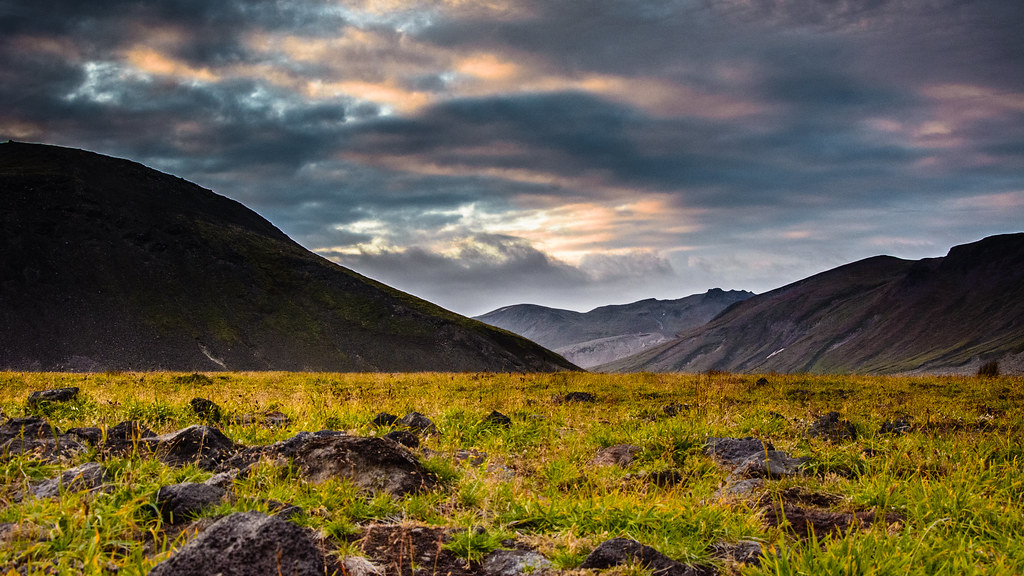
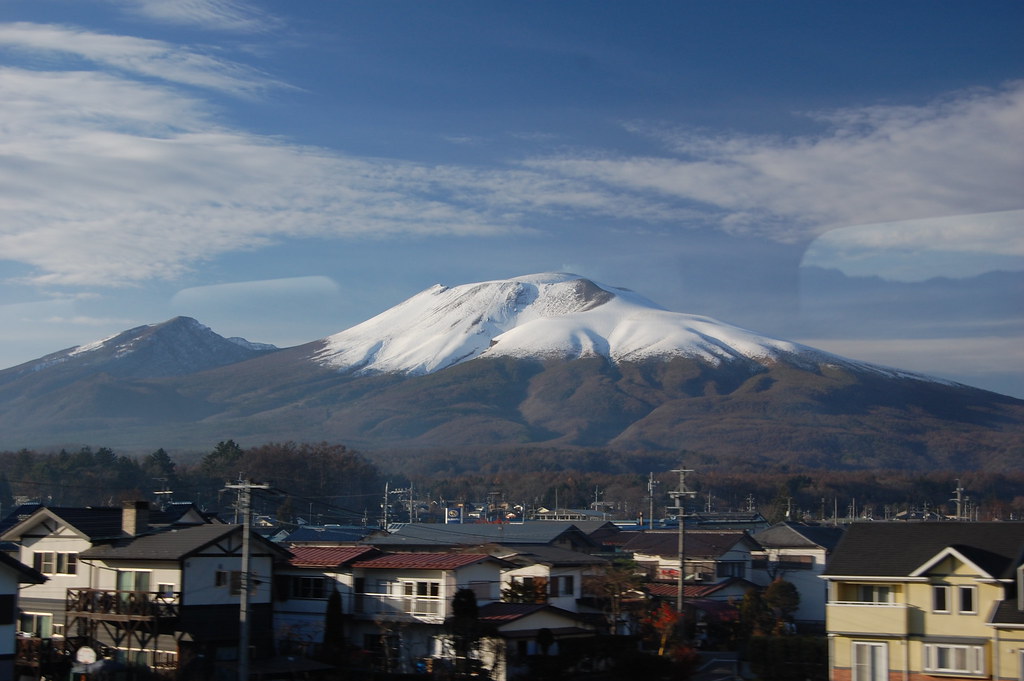
Approaching Mount Nasu, the air thickens with the scent of sulfur and the landscape unfolds into a dramatic volcanic tableau. The rugged peaks of this active complex volcano rise sharply against the sky, their slopes etched with fumaroles emitting wisps of steam. The contrast between the barren, rocky summit and the lush forests below creates a vivid sense of geological power. Hiking here is a journey through time and earth’s fiery forces, culminating in the emotional thrill of standing at the crater’s edge, surrounded by panoramic views of the Nasu mountain range and distant Aizu peaks.

Geological Background of Mount Nasu
Mount Nasu is a complex volcano consisting of multiple peaks including Chausu-dake, Asahi-dake, and Sanbon-yari-dake, with the highest summit reaching 1,917 meters. Formed by volcanic activity that began approximately 500,000 years ago, it remains the only active volcano in the Nasu mountain range. The main peak, Chausu-dake, features a hardened andesite dome created by violent eruptions in the early 15th century, notably between 1408 and 1410. Its last eruption occurred in 1881, but ongoing fumarolic activity and sulfurous gas emissions indicate persistent volcanic unrest. The summit area is marked by steaming vents, sulfur deposits, and rugged lava formations, providing a vivid window into volcanic processes. The surrounding highlands support a diverse ecosystem adapted to volcanic soils and climatic conditions, making Mount Nasu a unique geological and natural landmark.
The Volcano Trek: Terrain and Hiking Experience
Hiking Mount Nasu offers a varied terrain that challenges and delights trekkers of moderate ability. The journey often begins with a scenic ascent via the Nasu Ropeway, which transports hikers to the Ninth Station at 1,680 meters, significantly reducing the altitude gain required on foot. From this point, the trail to the summit of Chausu-dake is approximately a 50-minute climb, featuring a mix of volcanic rock, loose scree, and well-maintained paths. The initial sections are relatively gentle, with paved or gravel trails that wind through alpine flora and patches of volcanic ash. As hikers approach the crater rim, the terrain becomes rockier and more exposed, requiring careful footing on uneven lava formations and loose pumice. The ridge walking along the crater edge offers spectacular views but also exposes trekkers to strong winds and sudden weather changes, common in high-altitude volcanic environments. Beyond Chausu-dake, more rugged routes lead to neighboring peaks such as Asahi-dake and Sanbon-yari-dake, where the terrain grows steeper and rockier, demanding greater stamina and surefootedness. Seasonal variations affect trail conditions; spring and autumn bring crisp air and vibrant foliage, while winter snows can render paths icy and slippery. Overall, the trek combines accessible routes with sections of moderate challenge, making it suitable for hikers prepared for volcanic terrain and variable weather.

What Makes the Mount Nasu Trek Unique
Mount Nasu’s trek stands out for its combination of active volcanic features and cultural significance. The presence of steaming fumaroles and sulfur vents near the summit provides a rare opportunity to witness ongoing volcanic activity safely. The mountain’s multiple peaks offer diverse landscapes, from the rugged crater rim of Chausu-dake to the serene marshlands near Sanbon-yari-dake. The ropeway access adds a unique dimension, allowing hikers to experience panoramic views early in the ascent. Additionally, the surrounding Nasu Highlands are dotted with natural hot springs, inviting trekkers to relax in mineral-rich baths after their climb. Seasonal highlights such as vibrant autumn foliage and blooming azaleas in spring enrich the visual experience. The area’s deep-rooted spiritual history, linked to ancient mountain worship practices, adds a layer of cultural depth to the adventure.
The Summit and Crater Experience
Reaching the summit of Mount Nasu’s Chausu-dake peak is a sensory immersion into volcanic power. The crater rim reveals steaming fumaroles emitting sulfurous gases, their pungent aroma filling the crisp mountain air. The ground beneath is warm in places, a reminder of the molten forces below. Hikers can explore the crater’s edge, observing hardened lava formations and vents releasing plumes of steam. The panoramic vista stretches across the Nasu mountain range, with neighboring peaks like Mount Asahi and Sanbon-yari visible, and on clear days, the distant Aizu region’s rising peaks. The interplay of light and shadow on the volcanic landscape creates dramatic photo opportunities. The experience is heightened by the contrast between the harsh, barren summit and the lush forests far below, evoking a profound appreciation for the dynamic earth beneath one’s feet.

Best Time to Trek Mount Nasu
The optimal trekking season for Mount Nasu spans from late spring through autumn, roughly April to November. During this period, weather conditions are generally stable, with mild temperatures ranging from 10°C to 25°C. Spring offers fresh greenery and blooming azaleas, while autumn is renowned for spectacular foliage in vivid reds and golds. Summer months provide comfortable hiking weather but can bring occasional rain showers. Winter months, from December to March, see significant snowfall and icy trails, making trekking hazardous and the ropeway closed. Early morning climbs are recommended to avoid afternoon winds and to enjoy clear views. It is essential to monitor volcanic activity reports and weather forecasts, as sudden changes can occur. The ropeway operates daily during the open season, facilitating access and enhancing safety.
Trekking Routes and Trail Options on Mount Nasu
Mount Nasu offers several trekking routes catering to different preferences and fitness levels. The most popular route begins at the Nasu Ropeway’s top station (Ninth Station), where hikers embark on a 50-minute ascent to the summit of Chausu-dake. This trail is well-marked and maintained, suitable for beginners and families. From the summit, hikers can circumnavigate the crater rim, enjoying volcanic features and panoramic views. For those seeking a longer trek, the route extends beyond Chausu-dake to Mount Asahi and further to Mount Sanbon-yari, the highest peak at 1,917 meters. This extended trail traverses rocky ridges and marshlands, requiring moderate hiking experience and good physical condition. Alternative access includes hiking from the base via paved roads and forest trails, which adds several hours but immerses trekkers in the diverse ecosystems of the Nasu Highlands. Guided tours often combine ropeway access with expert-led hikes, enhancing safety and interpretation. Trail options also include detours to hot spring huts near the mountain, offering rest and relaxation. Overall, the network of trails provides flexibility for day hikes or more extended explorations.

Difficulty Assessment of Mount Nasu Trek
Mount Nasu is classified as a moderate volcano trek. The terrain includes well-maintained paths, rocky ridges, and loose volcanic scree, requiring hikers to have a reasonable level of fitness and surefootedness. Altitude is moderate, peaking at 1,917 meters, which generally does not cause severe altitude sickness but may affect sensitive individuals. The ropeway reduces physical strain by elevating hikers to 1,680 meters, making the summit climb accessible to many. Technical climbing skills are not necessary, but hikers should be prepared for exposed sections near the crater rim and variable weather conditions. The trek is suitable for beginners with some hiking experience and families, though caution is advised during winter or adverse weather. Overall, the trek balances accessibility with the rewarding challenge of active volcanic terrain.
Essential Volcano Trekking Gear for Mount Nasu
Proper gear is vital for a safe and enjoyable Mount Nasu trek. Recommended items include sturdy hiking boots with good grip to navigate rocky and loose volcanic terrain. Trekking poles can aid balance on uneven slopes and reduce fatigue. A windproof and waterproof jacket is essential due to sudden weather changes and exposure near the summit. Layered clothing helps manage temperature shifts from base to peak. Sun protection, including sunglasses, sunscreen, and a hat, is important as the mountain offers little shade. Carry sufficient water and snacks for energy. A headlamp is useful for early starts or late descents. Although volcanic gases are generally mild here, sensitive individuals may consider a lightweight respirator or mask. A map or GPS device and a fully charged mobile phone enhance safety. Finally, a small first aid kit and emergency blanket are prudent additions.
Safety and Volcanic Hazards on Mount Nasu
Mount Nasu is an active volcano with ongoing fumarolic activity, emitting sulfurous gases that can be hazardous in confined areas. Hikers should avoid lingering near fumaroles and respect all warning signs. The terrain near the crater rim is unstable in places, with loose rocks and steep drop-offs requiring caution. Sudden weather changes, including strong winds and fog, can reduce visibility and increase risk. Although the volcano’s last eruption was in 1881, monitoring by Japanese geological agencies ensures timely warnings of increased activity. Visitors should check volcanic alert levels before hiking and heed any closures. Wearing a helmet is not mandatory but advisable in areas prone to falling rocks. Emergency huts are available but staying overnight is prohibited. Always inform someone of your plans and carry communication devices. Following established trails and guided tours enhances safety in this dynamic environment.
Permits, Guides, and Logistics for Mount Nasu Trekking
Mount Nasu does not require special permits for hiking, but visitors must purchase ropeway tickets to access the upper trailhead. The Nasu Ropeway operates daily from spring through autumn, with round-trip adult tickets priced around 1,130 yen and discounted rates for children. The ropeway significantly eases the ascent, making the volcano accessible to a broad range of hikers. Several reputable tour operators offer guided hiking experiences, including TAKANOBUSINESS Inc, Bicycle Tours Japan, and HappyToVisit. These companies provide expert guides familiar with local geology, history, and safety protocols, enhancing the trekking experience. Guided tours typically include ropeway transport, hiking to the crater, and sometimes additional activities such as cycling or hot spring visits. Booking in advance is recommended, especially during peak seasons. Access to Mount Nasu is convenient via public transport; buses run regularly from Kuroiso and Nasushiobara Stations to the ropeway base station. Parking and restroom facilities are available near trailheads. Visitors should check ropeway operating hours and weather conditions before planning their trek. Seasonal closures occur from December to mid-March due to snow and safety concerns.
Where to Stay and Nearby Bases for Mount Nasu Treks
The Nasu Highlands region offers a variety of accommodation options catering to volcano trekkers and nature enthusiasts. For a luxurious experience, Nasu Onsen Sanraku is a highly-rated 5-star ryokan featuring traditional Japanese rooms, open-air baths, and exquisite local cuisine. Its tranquil setting provides a perfect retreat after a day on the trails. Hotel Sun Valley Nasu is another popular choice, boasting over 20 types of hot spring baths sourced from three different springs, alongside saunas and wellness facilities. For families and groups, the Grand Mercure Nasu Highlands Resort & Spa offers modern amenities, seasonal outdoor pools, and child-friendly services, all nestled within lush mountain surroundings. Jizaiso, a 3-star ryokan, provides comfortable rooms with waterfall-view onsens and a welcoming atmosphere, ideal for those seeking authenticity and relaxation. Many accommodations are located within a 10 to 20-minute drive from the Nasu Ropeway base station, with shuttle services or local buses available. For self-catering travelers, several cottages and holiday villas are scattered throughout the highlands, offering privacy and access to nature. The proximity to hot springs, local gourmet restaurants, and cultural sites enhances the overall experience, making the Nasu Highlands a well-rounded base for volcano trekking adventures.