
Trekking Mount Anak Krakatau: Exploring Indonesia’s Active Volcano in the Sunda Strait
Mount Anak Krakatau, the active volcanic island rising from the caldera of the historic Krakatoa eruption, offers a thrilling and unique trekking experience. This guide covers the volcano’s geology, trekking terrain, routes, safety considerations, permits, and nearby accommodations, providing expert insights for adventurous volcano hikers.
Quick Volcano Snapshot
| Attribute | Value |
|---|---|
| Volcano type | Stratovolcano |
| Elevation | 157 m (515 ft) |
| Location | Sunda Strait, Indonesia |
| Activity status | Active |
| Trekking difficulty | Moderate |
| Typical trek duration | 2-4 hours (to first accessible level) |
| Altitude gain | Approx. 150 meters |
| Terrain type | Volcanic ash slopes, lava rock, tropical forest |
| Best season | May to October (dry season) |
| Temperature range | 24°C to 32°C |
| Permit requirement | Special permission required due to exclusion zone |
The Experience of Hiking Mount Anak Krakatau
Approaching Mount Anak Krakatau is a journey into a raw and dynamic volcanic landscape. The volcano rises dramatically from the sea, its steaming vents and fresh lava flows a vivid reminder of Earth’s power. The trek offers a stark contrast between the black volcanic ash and the surrounding turquoise waters. Hikers feel the pulse of geological forces beneath their feet as they ascend through tropical vegetation to the crater rim. The emotional impact of standing on a volcano that continues to grow and reshape itself is profound, offering a unique connection to nature’s relentless creativity and destruction.
Geological Background of Mount Anak Krakatau
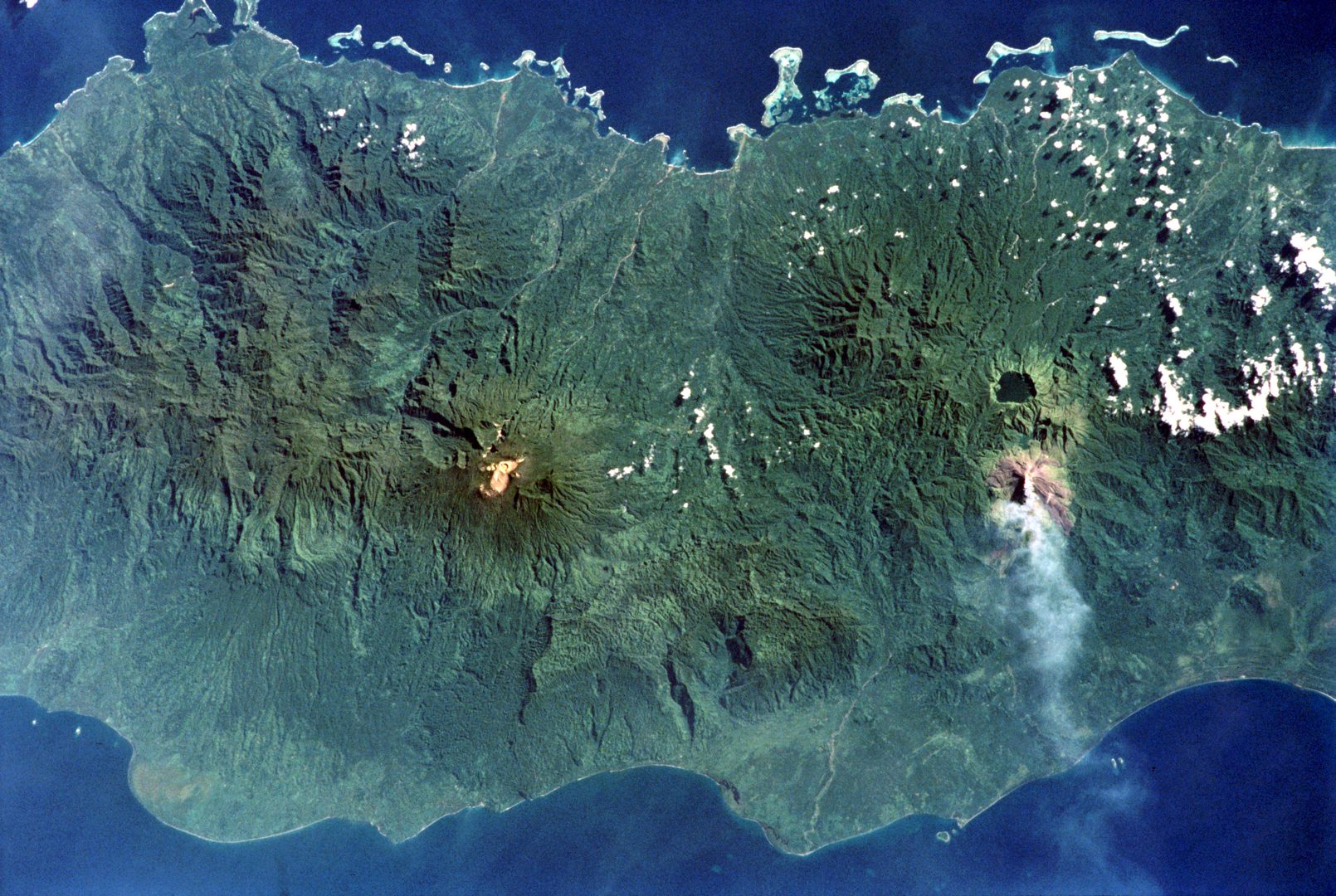
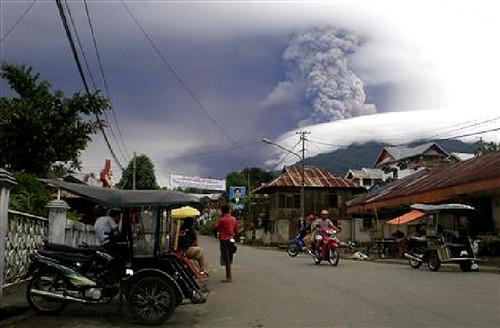
Mount Anak Krakatau is a stratovolcano that emerged from the caldera left by the catastrophic 1883 eruption of the original Krakatoa volcano. This eruption was one of the deadliest and most powerful volcanic events in recorded history, obliterating much of the original island and triggering massive tsunamis. Anak Krakatau, meaning “Child of Krakatoa,” first appeared in 1927 and has been steadily growing since, currently reaching around 157 meters in height. The volcano is characterized by frequent eruptive activity, lava flows, and fumaroles emitting volcanic gases. Its formation is a vivid example of volcanic regeneration, where new land is created from the remnants of a violent past. The surrounding islands, remnants of the ancient volcano, and the ongoing geological activity make this area a living laboratory for volcanologists and adventurous trekkers alike.
Terrain and Hiking Experience on Mount Anak Krakatau
Trekking Mount Anak Krakatau presents a challenging yet rewarding experience shaped by its unique volcanic terrain. The hike typically begins with a boat journey across the Sunda Strait, offering stunning views of the volcanic archipelago. Upon landing, hikers encounter a landscape marked by black volcanic ash, loose pumice, and rugged lava rocks. The trail ascends through patches of tropical forest that have begun to reclaim the volcanic soil, providing occasional shade and glimpses of resilient flora and fauna adapted to this harsh environment.
The terrain is uneven and can be slippery, especially on the ash slopes, requiring sturdy hiking boots with good grip. The volcanic ash is loose and powdery, making footing unstable in places and demanding careful steps to avoid slips. Lava rock formations add to the technical challenge, with some scrambling necessary over jagged surfaces. The ascent is moderate in difficulty but can be physically demanding due to the combination of steep slopes and the tropical heat.
Wind conditions near the summit can be strong and cooling, offering relief from the heat but also requiring windproof clothing. Temperature shifts are noticeable, with warmer conditions at sea level and cooler breezes at higher elevations. Altitude effects are minimal given the volcano’s modest height, but the physical exertion combined with the terrain requires good fitness and hydration.
The trail leads to the crater rim, where hikers are rewarded with panoramic views of the surrounding sea and islands. The active crater emits steam and volcanic gases, creating a surreal atmosphere. The volcanic terrain is constantly changing due to ongoing eruptions and lava flows, so trail conditions can vary and require up-to-date local guidance. Overall, the hike offers a vivid encounter with a living volcano’s raw power and the resilience of nature reclaiming volcanic land.
What Makes the Anak Krakatau Trek Unique
Mount Anak Krakatau’s trek is unique due to its location on an active volcanic island that continues to grow from the remnants of one of history’s most famous eruptions. The volcano’s youth and ongoing activity provide an ever-changing landscape rarely found elsewhere. The juxtaposition of volcanic ash deserts, steaming fumaroles, and vibrant tropical seas creates a striking contrast.
The opportunity to witness volcanic activity firsthand, including the possibility of seeing glowing lava during eruptions, adds a thrilling dimension. The surrounding marine biodiversity enhances the experience, with snorkeling and diving options nearby to explore coral reefs and marine life. The volcano’s history, marked by the 1883 eruption and subsequent regeneration, imbues the trek with deep geological and cultural significance.
Additionally, the trek’s accessibility from major Indonesian cities combined with the adventure of boat travel through the Sunda Strait makes it a compelling destination for volcano enthusiasts and adventure travelers seeking a blend of natural spectacle and physical challenge.
The Summit and Crater Experience
Reaching the summit of Mount Anak Krakatau is a moment of awe and exhilaration. From the crater rim, hikers are treated to sweeping views of the surrounding islands and the vast expanse of the Sunda Strait. The active crater emits steam and sulfurous gases, filling the air with a distinctive scent and creating a misty, otherworldly atmosphere.
The ground near the crater is warm, and the sound of escaping gases adds to the sensory experience. The landscape is stark and raw, with fresh lava flows and volcanic rocks telling the story of the volcano’s recent activity. The panoramic vistas include the remnants of the original Krakatoa island and the vibrant blue sea, contrasting with the dark volcanic terrain.
This vantage point offers a profound connection to the Earth’s dynamic processes, making the summit a highlight for any volcano trekker. The experience is both humbling and inspiring, a reminder of nature’s power and the ongoing creation of new land.
Best Time to Trek Mount Anak Krakatau
The optimal time to trek Mount Anak Krakatau is during Indonesia’s dry season, from May to October. During these months, weather conditions are generally stable, with less rainfall and calmer seas, making boat transfers safer and trekking more comfortable. The dry season also offers clearer skies, enhancing visibility and the quality of views from the summit.
Outside this period, the rainy season from November to April can bring heavy rains, slippery trails, and rough seas, increasing the risk of accidents and cancellations. Additionally, volcanic activity can fluctuate, and authorities may impose access restrictions or exclusion zones for safety.
It is essential to monitor volcanic activity updates and heed local warnings. The volcano’s alert level can change rapidly, affecting the feasibility of trekking. Planning trips with reputable tour operators who provide current information and safety guidance is highly recommended.
Trekking Routes and Trail Options
Access to Mount Anak Krakatau is primarily by boat from nearby ports such as Carita Beach on Java or Kalianda on Sumatra. Due to a 2-kilometer exclusion zone around the volcano imposed for safety, direct landing on Anak Krakatau is generally restricted. However, special permits for research or guided tours may allow limited access to certain parts of the island.
The most common trekking route begins with a boat trip to the nearby islands of Rakata or Panjang, where hikers can camp and observe Anak Krakatau from a safe distance. Some tours include a partial ascent to the lower slopes of Anak Krakatau, typically reaching the first accessible level below the active crater. This trek usually takes 2 to 4 hours depending on conditions.
Guided tours often combine trekking with snorkeling or diving excursions around the volcanic islands, offering a comprehensive experience of the region’s natural beauty. Self-guided trekking is not recommended due to safety risks and permit requirements.
Tour operators such as Krakatautrail.com, Krakatau Trek, and Krakatau Tours provide organized trips including boat transfers, guided hikes, camping, and safety briefings. These routes offer the best balance of adventure and security, allowing visitors to experience the volcano’s dramatic landscape responsibly.
Difficulty Assessment of the Anak Krakatau Trek
The trek to Mount Anak Krakatau is classified as a moderate volcano trek. The elevation gain is relatively low, approximately 150 meters, but the volcanic terrain presents unique challenges. Loose volcanic ash and pumice make footing unstable, requiring good balance and sturdy footwear. Some scrambling over lava rocks is necessary, demanding basic agility.
The tropical climate adds to the physical demand, with heat and humidity requiring adequate hydration and sun protection. The trail is not technically difficult but can be strenuous for those unaccustomed to hiking on loose volcanic material.
Altitude sickness is not a concern due to the volcano’s modest height. However, the active nature of the volcano and the exclusion zone impose safety considerations that limit access and require guided support. Overall, the trek suits hikers with moderate fitness levels and a sense of adventure.
Essential Volcano Trekking Gear for Anak Krakatau
Preparing for a trek on Mount Anak Krakatau requires gear suited to volcanic terrain and tropical conditions. Essential items include sturdy hiking boots with strong grip to navigate loose ash and lava rocks safely. Trekking poles can provide additional stability on unstable slopes.
A windproof and waterproof jacket is recommended due to variable weather and wind near the summit. Sun protection is critical: wide-brimmed hats, sunglasses, and high-SPF sunscreen help guard against intense tropical sun exposure.
Given the volcanic gases, a lightweight respirator or gas mask may be advisable during periods of increased activity. Hydration systems or water bottles are essential, as there are no fresh water sources on the island.
A headlamp is useful for early morning or late afternoon hikes. Lightweight, breathable clothing and insect repellent enhance comfort. Finally, a small first aid kit and emergency whistle are prudent safety additions.
Safety and Volcanic Hazards on Mount Anak Krakatau
Mount Anak Krakatau is an active volcano with ongoing eruptive activity, posing inherent risks to visitors. The volcano emits volcanic gases such as sulfur dioxide, which can be harmful if inhaled in high concentrations. Visitors should be prepared with protective masks and avoid areas with strong gas emissions.
The terrain includes unstable crater edges and loose volcanic ash slopes, increasing the risk of falls and landslides. Sudden eruptions or lava flows can occur with little warning, making adherence to exclusion zones and official alerts critical.
The 2018 partial collapse of Anak Krakatau triggered a deadly tsunami, highlighting the unpredictable nature of volcanic hazards in this region. Visitors must monitor updates from the Center for Volcanology and Geological Hazard Mitigation (CVGHM) and follow guidance from local authorities and tour operators.
Boat transfers can be affected by rough seas, requiring experienced operators. Emergency plans and communication devices are essential for safety. Overall, trekking Anak Krakatau demands respect for the volcano’s power and careful preparation.
Permits, Guides, and Logistics for Trekking Mount Anak Krakatau
Access to Mount Anak Krakatau is currently restricted due to its active status and a 2-kilometer exclusion zone around the island. Visitors require special permits granted by Indonesian authorities, typically arranged through licensed tour operators. Independent trekking without authorization is prohibited for safety reasons.
Several reputable local tour companies specialize in Krakatau volcano excursions, including Krakatautrail.com, Krakatau Trek, Krakatau Tours, Krakatoa Eco Tours, Veronika’s Adventure, and Exploredesa Adventure. These operators provide comprehensive packages covering boat transfers from ports such as Carita Beach (Java) or Kalianda (Sumatra), guided trekking, snorkeling, camping, and safety briefings.
Permit costs are generally included in tour prices, which vary depending on the itinerary and duration. Tours often last from one to four days, with options for day trips or multi-day camping experiences on nearby islands like Rakata or Panjang. The boat journey takes approximately 1 to 1.5 hours, depending on departure point and sea conditions.
Tour guides are experienced, licensed, and knowledgeable about the volcano’s geology, history, and safety protocols. They monitor volcanic activity closely and adjust plans accordingly. Visitors are advised to book tours well in advance, especially during the dry season (May to October), and to maintain flexibility due to potential volcanic activity disruptions.
Logistically, visitors should arrange transport to departure ports from Jakarta, Bandar Lampung, or Banten. Accommodation options are available in nearby towns such as Carita, Anyer, and Kalianda. Tour operators often provide hotel pickup and drop-off services. It is essential to bring sufficient water, sun protection, and appropriate gear, as there are no facilities on the volcano itself.
In summary, trekking Mount Anak Krakatau requires careful planning, adherence to regulations, and booking through professional operators to ensure a safe and rewarding experience.
Where to Stay and Nearby Bases for Mount Anak Krakatau Trekking
While direct accommodation on Anak Krakatau is not available due to safety restrictions, several nearby towns and islands offer comfortable lodging options serving as bases for volcano trekking tours.
Carita Beach, located on the western coast of Java, is a popular departure point with a range of accommodations. Notable hotels include Mutiara Carita Cottages, offering beachfront access and outdoor pools, and the Lampung Marriott Resort & Spa, a luxury option featuring private beach areas and extensive amenities. Budget travelers can find guesthouses and smaller hotels in the area.
Anyer, also on Java’s west coast, provides affordable hotels and resorts with easy access to boat services heading to Krakatau. Facilities here include restaurants, shops, and tour offices.
On the Sumatra side, Kalianda town serves as another gateway with several hotels such as Radisson Lampung Kedaton and Amaris Hotel Lampung City, offering comfortable stays with modern conveniences. Kalianda’s proximity to the harbor facilitates boat transfers to the volcanic islands.
For those seeking eco-tourism experiences, Nikki Peucang Resort near Ujung Kulon National Park offers nature-focused accommodations and can be combined with Krakatau tours. Nearby islands like Rakata and Panjang provide camping opportunities arranged by tour operators, allowing immersive overnight stays close to the volcano.
All accommodations typically provide transport arrangements to and from boat departure points. Visitors should book lodging in advance, especially during peak trekking seasons. Staying in these nearby bases ensures convenient access to guided tours, safety briefings, and logistical support for exploring Mount Anak Krakatau.