
Mount Olympus Volcano Trekking Guide: Conquer Greece’s Legendary Peak
Mount Olympus, Greece’s highest peak and mythological home of the gods, offers a demanding yet rewarding trekking experience. This guide covers geology, terrain, routes, permits, accommodations, and safety for adventurers seeking to explore this iconic extinct complex volcano.
Quick Volcano Snapshot
| Attribute | Value |
|---|---|
| Volcano type | Complex volcano (extinct) |
| Elevation | 2,917.7 m (9,572.6 ft) |
| Location | Macedonia, Greece |
| Activity status | extinct |
| Trekking difficulty | demanding |
| Typical trek duration | 1-3 days |
| Altitude gain | 1,900+ m |
| Terrain type | rocky slopes, scree, alpine plateaus, forest trails |
| Best season | May to October |
| Temperature range | 5°C to 25°C depending on altitude and season |
| Permit requirement | none required |
Introduction: The Experience of Hiking Mount Olympus
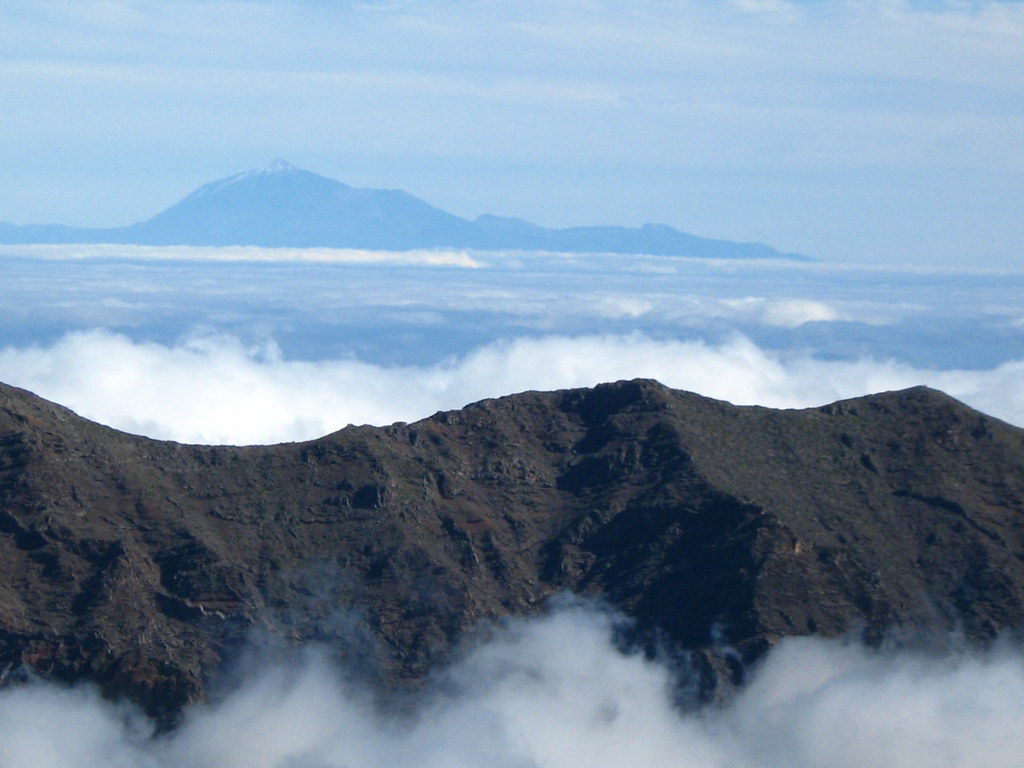
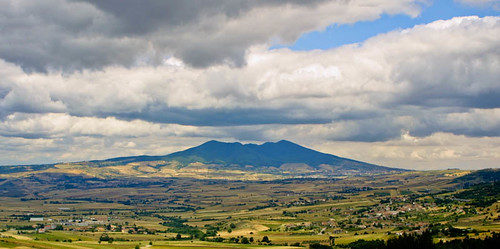
Approaching Mount Olympus, the air thickens with the weight of ancient myths and raw geological power. Jagged peaks pierce the sky, rising dramatically from lush foothills to alpine plateaus. The contrast between dense forests and barren rocky summits creates a landscape both wild and sacred. As you ascend, the terrain shifts from shaded woodlands to exposed scree and steep ridges, each step bringing you closer to the legendary home of the Greek gods. Reaching the summit of Mytikas, the highest peak, rewards you with breathtaking panoramas stretching to the Aegean Sea, a humbling reminder of nature’s grandeur and the mountain’s timeless allure.

The Volcano Itself: Geological Background
Mount Olympus is a complex volcano formed primarily of sedimentary rock deposited around 200 million years ago in a shallow sea. Over millennia, tectonic forces uplifted the massif, shaping its distinctive peaks and deep gorges. Approximately one million years ago, glaciers sculpted the mountain’s plateaus and depressions, leaving behind alluvial fans and rugged terrain as the ice retreated. Though extinct, Olympus’s geological story is etched in its layered rock formations, fossil-rich strata, and the sculpted landscape that tells of ancient seas, ice ages, and relentless erosion. The mountain’s unique geology supports diverse flora and fauna, making it a natural laboratory for understanding Mediterranean mountain ecosystems.
The Volcano Trek: Terrain and Hiking Experience
Trekking Mount Olympus is a demanding adventure through varied and challenging terrain. The ascent begins in the verdant foothills around Litochoro, where shaded forest trails wind alongside streams and through dense chaparral. As you gain altitude, the path steepens, transitioning to rocky slopes covered with loose scree and sharp limestone outcrops. Hikers encounter a mix of well-marked trails and rugged sections requiring careful footing. The final approach to the summit, Mytikas, involves a Class III scramble over exposed, crumbly rock, demanding sure-footedness and a head for heights. Weather conditions can change rapidly, with strong winds and temperature drops common near the summit. The trail’s elevation gain exceeds 1,900 meters, testing endurance and stamina. Despite the challenges, the trek rewards with stunning views of deep gorges, alpine meadows, and the distant Aegean Sea. Along the way, hikers pass mountain refuges offering shelter and rest, and the rich biodiversity of the national park adds to the immersive natural experience. The terrain’s complexity requires proper preparation, but the well-maintained paths and available guided tours make the mountain accessible to experienced hikers ready for a serious challenge.
What Makes This Volcano Trek Unique
Mount Olympus stands apart as Greece’s highest peak and the mythological throne of the Olympian gods, infusing every step with cultural and historical significance. Unlike many volcano treks, Olympus is extinct, offering a serene yet dramatic landscape shaped by ancient geological forces rather than recent eruptions. The mountain’s 52 peaks and deep gorges create a vast playground for hikers and climbers, with diverse ecosystems ranging from Mediterranean forests to alpine tundra. The presence of ancient ruins, such as the sanctuary of Zeus on Agios Antonios peak, adds a unique archaeological dimension. The trek combines demanding physical challenges with the chance to walk through a living myth, surrounded by rare flora and fauna protected within Greece’s first national park and a UNESCO biosphere reserve.
The Summit and Crater Experience
Reaching the summit of Mytikas is a moment of profound awe and accomplishment. The rocky peak, rising nearly 3,000 meters above sea level, offers panoramic views that stretch from the rugged mountain ridges to the shimmering Aegean Sea. The air is thin and crisp, carrying the scent of alpine herbs and the faint echo of ancient legends. Unlike active volcanoes, Olympus’s summit lacks a crater, but the jagged limestone formations and steep cliffs evoke a sense of raw natural power. The climb’s final scramble demands focus and respect for the mountain’s exposed terrain. At the top, the silence is broken only by the wind and the distant calls of birds, creating a sacred atmosphere befitting the mountain’s divine heritage.
Best Time to Trek Mount Olympus
The optimal trekking season for Mount Olympus spans from late spring through early autumn, typically May to October. During these months, weather conditions are generally stable, with mild to warm temperatures in the lower elevations and cooler, more comfortable conditions near the summit. Summer months can bring heat to the foothills, but the altitude provides relief. Early spring and late autumn may still have snow and ice on higher trails, increasing difficulty and risk. Winter ascents are possible but require advanced mountaineering skills and equipment. Avoiding the peak summer heat and the winter snowpack ensures safer and more enjoyable hiking conditions. It is advisable to check local weather forecasts and park advisories before planning your trek.
Trekking Routes and Trail Options
Mount Olympus offers a network of over 160 kilometers of trails catering to various skill levels. The most popular starting point is the town of Litochoro, located at the mountain’s eastern foothills. From here, hikers can choose several routes: The Prionia to Mytikas route is the classic ascent, covering approximately 15 kilometers with an elevation gain of nearly 1,900 meters. This trail passes through the Enipeas Gorge and mountain refuges such as Petrostrouga and Spilios Agapitos, providing rest points for multi-day treks. For less experienced hikers, the route to Skolio peak (2,911 m) offers a challenging but more accessible summit option without technical climbing. The Plateau of the Muses serves as a base for various summit attempts and scenic hikes. Guided tours often combine these routes into 2-3 day excursions, while experienced hikers may opt for self-guided day hikes or longer multi-day treks exploring the massif’s diverse terrain. Trail markings are generally clear, but some sections require navigation skills, especially in poor weather. Seasonal closures and park regulations should be checked in advance.
Difficulty Assessment
Mount Olympus is classified as a demanding volcano trek. The overall challenge stems from the significant altitude gain, rugged terrain, and the technical scramble required to reach the highest peak, Mytikas. Hikers should possess good physical fitness, endurance, and experience with steep ascents and rocky paths. The final ascent to Mytikas involves Class III scrambling, requiring use of hands for balance and careful foot placement on loose rock. While lower peaks and some routes are accessible to moderately experienced hikers, the summit climb is best attempted by those with mountaineering skills or accompanied by a certified guide. Weather conditions can add complexity, with sudden changes and strong winds common at higher elevations. Preparation, proper gear, and respect for the mountain’s demands are essential for a safe and successful trek.
Essential Volcano Trekking Gear
For trekking Mount Olympus, essential gear includes sturdy hiking boots with excellent grip for rocky and scree terrain, trekking poles to aid balance and reduce knee strain, and layered clothing to adapt to temperature changes. A windproof and waterproof jacket is crucial for sudden weather shifts. For the summit scramble, gloves can protect hands from rough rock surfaces. A headlamp is recommended for early starts or late finishes. Hydration systems and high-energy snacks are necessary to sustain energy on long ascents. Sun protection, including a hat, sunglasses, and sunscreen, is important due to high altitude exposure and limited shade. While gas masks are not required, a basic first aid kit and navigation tools (map, compass, GPS) enhance safety. For less experienced climbers attempting Mytikas, a helmet and climbing harness may be advisable when guided.
Safety and Volcanic Hazards
Mount Olympus poses no volcanic hazards as it is an extinct volcano. However, safety concerns arise from the mountain’s rugged terrain and weather conditions. The final summit scramble involves exposed rocky sections with loose scree, increasing the risk of falls and injuries. Sudden weather changes can bring strong winds, fog, and temperature drops, reducing visibility and increasing hypothermia risk. Hikers should be cautious near steep cliffs and unstable edges. The mountain is monitored by local authorities, and hikers are advised to check weather forecasts and park advisories before and during their trek. Emergency shelters and mountain refuges provide safe havens, but self-sufficiency and preparedness are critical. Carrying a communication device and informing others of your itinerary enhances safety. Respect for the natural environment and adherence to park regulations help preserve this sacred landscape.
Permits, Guides, and Logistics
No permits are required to hike Mount Olympus, making it accessible for independent trekkers. However, hiring a guide is highly recommended, especially for the challenging summit ascent of Mytikas. Several reputable tour operators offer guided hikes and multi-day trekking packages, including Trekking Hellas, Unlimited Adrenaline, Trail Path, and SemiGuided Tours. These companies provide experienced guides, equipment rental, and accommodation arrangements, enhancing safety and enjoyment. The usual starting point is Litochoro, reachable by bus from Thessaloniki or Athens, with frequent public transport connections. Accommodation options range from mountain refuges like Spilios Agapitos and Petrostrouga to guesthouses and hotels in Litochoro and nearby villages. Logistics include arranging transfers to trailheads, packing for variable weather, and planning for food and water supplies. Guided tours often include transport, meals, and gear support, easing the planning burden. While no official fees apply for park entry, donations to conservation efforts are appreciated. Seasonal closures or restrictions may apply in case of fire risk or conservation needs, so checking with the Olympus National Park Authority before travel is advised.
Where to Stay Near Mount Olympus
Litochoro, the gateway town to Mount Olympus, offers a range of accommodations including hotels, guesthouses, and hostels with amenities such as Wi-Fi, local dining, and gear shops. Popular options include Hotel Olympus Mediterranean, known for comfortable rooms and proximity to bus stops, and Guesthouse Katerina, favored for its friendly atmosphere and traditional Greek hospitality. For those seeking mountain refuge, the Spilios Agapitos Refuge at 2,100 meters and Petrostrouga Refuge at 2,200 meters provide basic lodging with communal kitchens, bathrooms, and stunning views. These refuges serve as ideal bases for summit attempts and multi-day treks. Nearby villages such as Palaios Panteleimonas and Petra offer charming eco-lodges and boutique hotels, blending nature immersion with cultural experiences. Camping is permitted in designated areas near trailheads, but facilities are limited. Early booking is recommended during peak season (June to September) due to high demand. Many accommodations provide shuttle services to trailheads, simplifying logistics for trekkers.