
Hiking Mount Methana: A Complete Volcano Trekking Guide to Greece’s Volcanic Peninsula
Mount Methana, a dormant complex volcano in Greece’s Peloponnese region, offers a unique trekking experience across volcanic domes, lava flows, and thermal springs. This guide covers the geological background, hiking terrain, routes, safety, permits, accommodations, and more for adventurers seeking to explore this volcanic landscape.
Quick Volcano Snapshot
| Attribute | Value |
|---|---|
| Volcano type | Complex volcano |
| Elevation | 740 meters |
| Location | Methana Peninsula, Peloponnese, Greece |
| Activity status | Dormant |
| Trekking difficulty | Moderate |
| Typical trek duration | 4-6 hours |
| Altitude gain | Approximately 400 meters |
| Terrain type | Lava domes, volcanic rock, ash slopes, pine forests |
| Best season | Spring to early autumn (April to October) |
| Temperature range | 10°C to 30°C depending on season |
| Permit requirement | No special permit required; guided tours available |
The Experience of Hiking Mount Methana Volcano
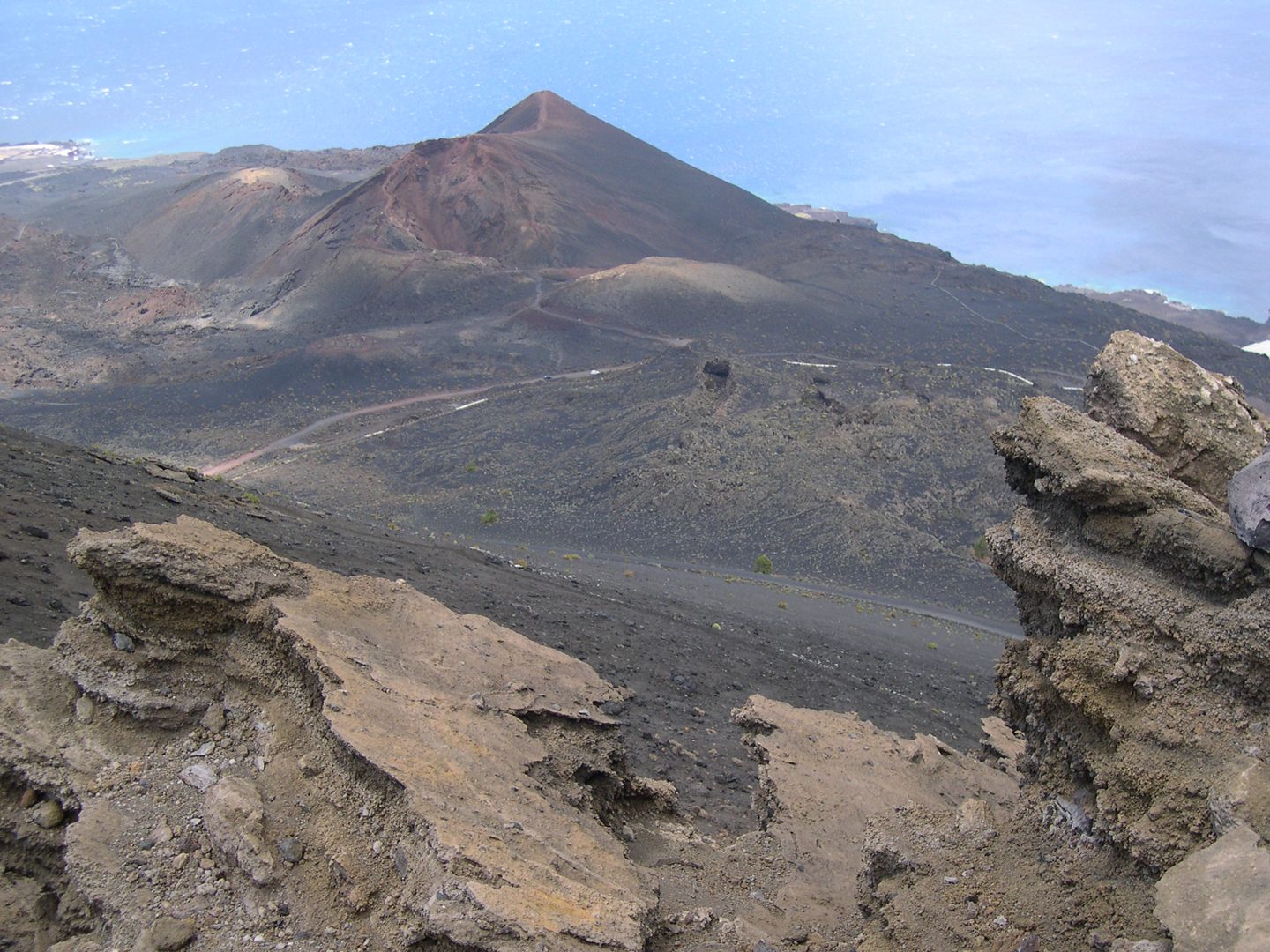
Approaching Mount Methana, hikers are greeted by a dramatic volcanic peninsula where rugged lava landscapes meet the sparkling waters of the Saronic Gulf. The trail winds through dense pine forests and past ancient lava domes, revealing a landscape shaped by fire and time. The contrast between the dark volcanic rock and the vibrant greenery creates a surreal atmosphere. As you ascend, the scent of pine mingles with faint sulfurous hints from fumaroles, evoking the volcano’s dormant power. Reaching the crater rim, panoramic views stretch across the sea and neighboring islands, offering a profound sense of standing on a geological marvel. The hike combines natural beauty, geological intrigue, and cultural history, making it a memorable adventure for volcano enthusiasts.
Geological Background of Mount Methana
Mount Methana is part of a volcanic peninsula containing approximately 32 volcanoes, primarily composed of andesitic and dacitic lava domes. The volcanic activity began around one million years ago and continued sporadically until about 300 years ago, with the last confirmed eruption occurring in 1700 at a submarine volcano north of Kameni Chora. On land, the historic lava dome near Kameni Chora erupted in 230 BC, marking one of the most notable events in the region’s volcanic history. The peninsula is part of the South Aegean volcanic arc, which includes other active volcanoes such as Santorini and Nisyros. Methana’s geology is characterized by lava domes, lava flows, fumaroles, and thermal springs, with tectonic faults cutting through the area, making it seismically active. The volcanic rocks are rich in dacites and andesites, and the landscape features fumaroles and sulfur deposits that hint at the volcano’s latent activity.
The Volcano Trek: Terrain and Hiking Experience
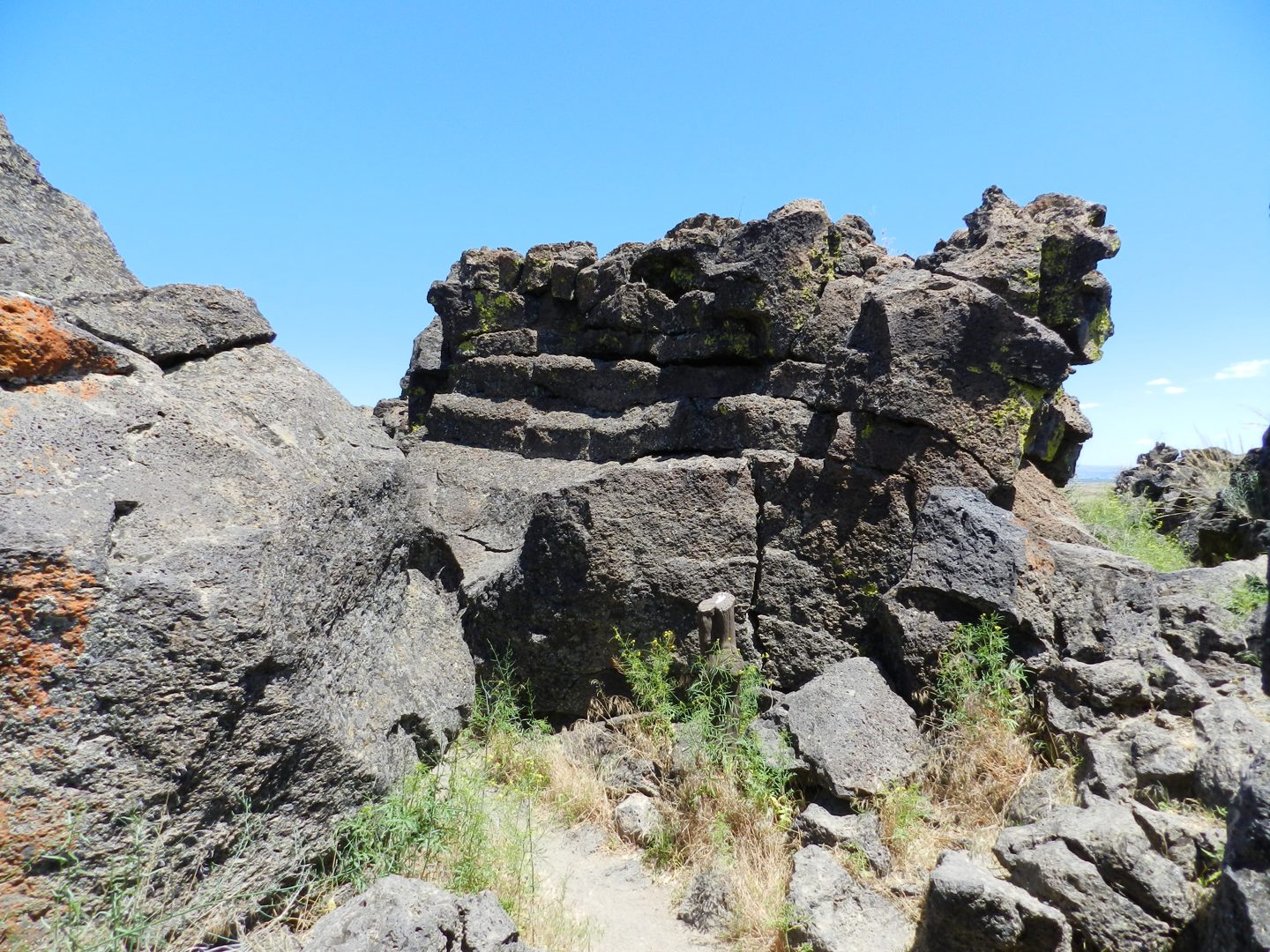
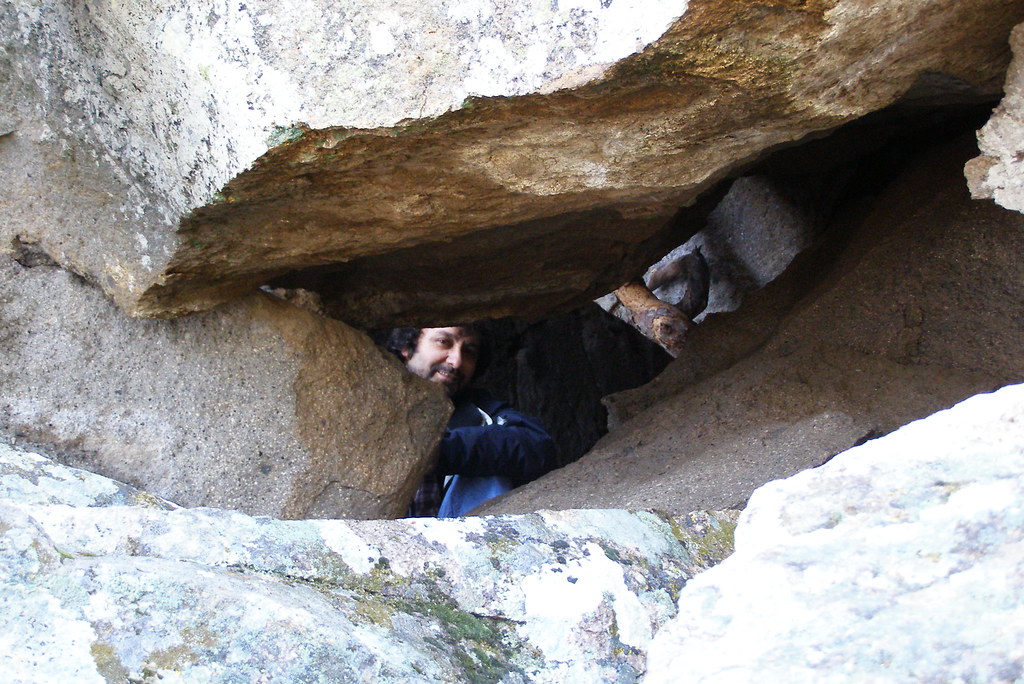
The trek up Mount Methana offers a diverse and engaging hiking experience that combines volcanic terrain with Mediterranean forest landscapes. The trail begins on paved or well-maintained paths near the village of Kameni Chora, gradually transitioning into natural dirt tracks that wind through dense pine forests. Hikers will encounter a variety of terrain types, including rugged lava domes, loose volcanic rock, and patches of ash and pumice. The volcanic rock formations require careful footing, especially on steeper sections where the trail ascends sharply toward the crater rim. The terrain is moderately challenging, with some scrambling over uneven lava fields and navigating rocky outcrops. The volcanic soil supports a rich variety of local flora, including aromatic herbs and wildflowers, adding color and life to the hike. Weather conditions can vary, with strong winds common near the summit and temperature shifts between shaded forest areas and exposed volcanic slopes. The altitude gain is moderate, approximately 400 meters, making the trek accessible to hikers with a reasonable level of fitness. Along the way, hikers can explore small caves formed by lava flows and observe fumaroles emitting steam and gases, providing a tangible connection to the volcano’s geothermal activity. The trail is well-marked, with signs guiding visitors to key geological and historical points of interest. Overall, the hike offers a rewarding blend of natural beauty, geological wonder, and physical challenge, suitable for both seasoned trekkers and adventurous families.
What Makes the Mount Methana Trek Unique
Mount Methana’s trek stands out due to its combination of volcanic geology, thermal springs, and rich cultural history. Unlike many volcanoes, Methana is a volcanic peninsula surrounded by the sea, offering spectacular views of the Saronic Gulf and nearby islands such as Poros and Aegina. The presence of over 30 volcanic craters and lava domes creates a varied landscape rarely found in a single hiking area. The thermal springs and fumaroles scattered around the peninsula provide a unique geothermal experience, with some springs reputed for their healing properties. The trail also passes through ancient archaeological sites and traditional villages, blending natural and human history. This fusion of volcanic activity, natural beauty, and cultural heritage makes Methana a distinctive destination for volcano trekking.
The Summit and Crater Experience
Reaching the summit of Mount Methana, hikers are rewarded with breathtaking panoramic views of the volcanic peninsula and the surrounding Aegean Sea. The crater rim is accessible and offers a close-up view of the volcanic dome, with its rugged lava formations and fumaroles gently releasing steam. The air carries a faint sulfurous scent, a reminder of the volcano’s dormant power. The summit area is exposed, often accompanied by cool winds that contrast with the warmth of the sunlit volcanic rocks. From this vantage point, visitors can see the patchwork of volcanic craters dotting the landscape, the dense pine forests below, and the sparkling waters of the Saronic Gulf. The dramatic scenery and the sense of standing on an ancient volcanic formation create a profound and memorable experience.
Best Time to Trek Mount Methana
The ideal time to hike Mount Methana is from spring through early autumn, typically April to October. During these months, the weather is generally mild and dry, providing comfortable trekking conditions. Spring offers blooming wildflowers and lush greenery, while summer brings warmer temperatures suitable for combining hiking with visits to nearby beaches and thermal springs. Autumn provides cooler temperatures and fewer tourists, ideal for a peaceful trek. Winter months can be cooler and wetter, with occasional strong winds, making hiking less comfortable. There are no known volcanic activity restrictions currently, but hikers should always check local conditions before planning their trip. Early morning or late afternoon hikes are recommended to avoid midday heat and to enjoy the best light for photography.
Trekking Routes and Trail Options on Mount Methana
Mount Methana offers several well-marked hiking routes catering to different levels of experience and interests. The most popular route starts from the village of Kameni Chora, ascending through pine forests and volcanic terrain to the main crater dome. This trail is approximately 4 to 6 kilometers round trip, with an elevation gain of about 400 meters, and typically takes 4 to 6 hours to complete at a moderate pace. Along the way, hikers can explore smaller craters, lava caves, and fumarole fields. For those seeking a gentler experience, coastal trails around the peninsula provide scenic walks with views of the sea and volcanic formations, suitable for families and casual hikers. Guided tours offered by local operators such as Unlimited Adrenaline and Xtreme Greece include full-day hikes combining volcano trekking with visits to thermal baths and cultural sites. Self-guided options are also available, with trail maps and GPS guides accessible through apps like Topoguide Greece. The variety of routes allows visitors to tailor their experience, from challenging volcanic ascents to leisurely nature walks.
Difficulty Assessment of the Mount Methana Trek
The trek up Mount Methana is classified as a moderate volcano trek. The terrain includes uneven volcanic rock, loose scree, and some steep sections requiring good balance and surefootedness. The altitude is relatively low, peaking around 740 meters, so altitude sickness is not a concern. The hike demands a reasonable level of fitness due to the elevation gain and the length of the trail. No technical climbing skills or specialized equipment are necessary, making it accessible to most hikers with some experience. Weather conditions such as wind and sun exposure near the summit can add to the challenge. Overall, the trek is suitable for adventurous families, intermediate hikers, and volcano enthusiasts seeking a rewarding but manageable volcanic landscape.
Essential Volcano Trekking Gear for Mount Methana
For a safe and enjoyable trek on Mount Methana, hikers should prepare with appropriate gear. Essential items include sturdy hiking boots with good grip to navigate rocky and uneven volcanic terrain. Trekking poles can aid balance on loose scree and steep sections. A windproof jacket is recommended for exposed summit areas where winds can be strong. Sun protection is crucial due to limited shade on volcanic slopes; bring sunscreen, sunglasses, and a wide-brimmed hat. Carry sufficient water and snacks, as there are no facilities on the trail. A headlamp is useful for early morning or late afternoon hikes. Although volcanic gases are minimal, sensitive individuals may consider a lightweight respirator or mask. A basic first aid kit and a map or GPS device are advisable. Finally, a camera is essential to capture the stunning volcanic landscapes and panoramic views.
Safety and Volcanic Hazards on Mount Methana
While Mount Methana is currently dormant, hikers should remain aware of potential volcanic and environmental hazards. The terrain includes unstable volcanic rock and loose scree, which can increase the risk of slips and falls. Crater edges may be unstable and should be approached with caution. Fumaroles emit steam and gases, including sulfur compounds, which can be irritating; avoid prolonged exposure near vents. Sudden weather changes, especially strong winds near the summit, can affect safety and comfort. Although eruptions are unlikely in the near future, the region is seismically active, and small earthquakes may occur. Visitors should heed any warnings from local authorities or volcanic monitoring agencies. It is recommended to hike with a guide or inform someone of your plans. Carrying a mobile phone for emergencies and staying on marked trails enhances safety.
Permits, Guides, and Logistics for Mount Methana Trekking
Mount Methana is accessible without special permits, making it an attractive destination for independent hikers and tourists. There are no park entry fees or mandatory guide requirements, but hiring a local guide is highly recommended to enrich the experience with geological insights and cultural history. Several reputable tour operators provide guided hiking tours, including Unlimited Adrenaline, Xtreme Greece, Nature Discovery Tours, and Pelago Adventures. These companies offer full-day excursions combining volcano trekking with visits to thermal baths and local villages, often including transportation from Athens or nearby ports. Guided tours typically cost between €50 and €100 per person, depending on the itinerary and group size. For self-guided hikers, detailed trail maps and GPS guides are available through apps like Topoguide Greece. Access to Methana is convenient by road from Athens, with a drive of approximately 2.5 to 3 hours, or by ferry from Piraeus port. Public transportation options are limited, so renting a car or joining a tour is advisable. Accommodation options in Methana village and nearby areas support multi-day visits, allowing hikers to explore the volcano at a relaxed pace. Overall, the logistics are straightforward, with well-established services catering to volcano trekking enthusiasts.
Where to Stay Near Mount Methana Volcano
Accommodation options near Mount Methana cater to a range of preferences, from cozy guesthouses to small hotels, all within easy reach of the volcano’s trailheads. The village of Methana, located near the port, offers several well-reviewed hotels such as Hotel Methana, known for spacious rooms, sea views, and proximity to the beach. Many accommodations provide amenities including self-catering kitchens, free Wi-Fi, and friendly local service. For visitors seeking a more immersive experience, traditional guesthouses and family-run inns offer authentic Greek hospitality and easy access to local taverns serving regional cuisine. The proximity of these lodgings to the volcano trailheads allows for early morning starts and relaxed returns after hiking. Additionally, nearby towns such as Poros and Galata, accessible by short ferry rides or drives, provide further lodging options with more extensive facilities, including pools, restaurants, and wellness centers. Some visitors also choose vacation rentals or apartments in the area for longer stays. The combination of volcanic landscapes, thermal springs, and charming coastal villages makes Methana an ideal base for volcano trekking and cultural exploration.