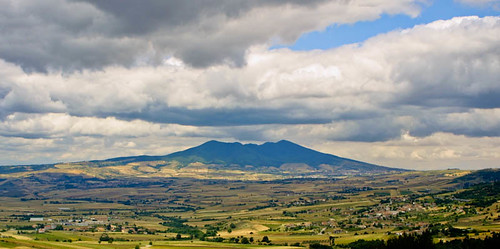

Ten Volcanoes Trail Faial Azores: The Ultimate Volcano Trekking Adventure in Portugal
The Ten Volcanoes Trail on Faial Island in the Azores is a demanding 21-kilometer trek that traverses ten volcanic cones, offering hikers a unique journey through diverse volcanic landscapes, lush forests, and dramatic craters. This comprehensive guide covers the trail’s geology, terrain, routes, logistics, safety, and accommodation options for an unforgettable volcanic hiking experience.
Quick Volcano Snapshot
| Attribute | Value |
|---|---|
| Volcano type | Complex volcano |
| Elevation | 900+ meters (starting point at Caldeira rim) |
| Location | Faial Island, Azores, Portugal |
| Activity status | Dormant |
| Trekking difficulty | Demanding |
| Typical trek duration | 5-6 hours |
| Altitude gain | Over 1500 meters descent with multiple ascents |
| Terrain type | Volcanic ash slopes, lava rock fields, cedar forests, crater rims |
| Best season | Late spring to early autumn (May to October) |
| Temperature range | 10°C to 25°C |
| Permit requirement | No special permits required |
The Experience of Hiking the Ten Volcanoes Trail
Embarking on the Ten Volcanoes Trail is stepping into a world shaped by fire and time. Starting at the dramatic rim of Faial’s vast caldera, hikers are immediately immersed in a landscape of raw geological power. The trail winds through a succession of volcanic cones, each telling a story of eruptions past. The contrast between the barren volcanic ash slopes and the lush greenery of cedar forests creates a striking visual drama. As you descend towards the Atlantic coast, the expansive views of the island’s volcanic features and the ocean beyond evoke a profound sense of nature’s grandeur. Reaching the trail’s end near the Capelinhos Volcano, the site of the island’s most recent eruption, offers a humbling encounter with the forces that continue to shape this land.
Geological Background of Faial’s Ten Volcanoes
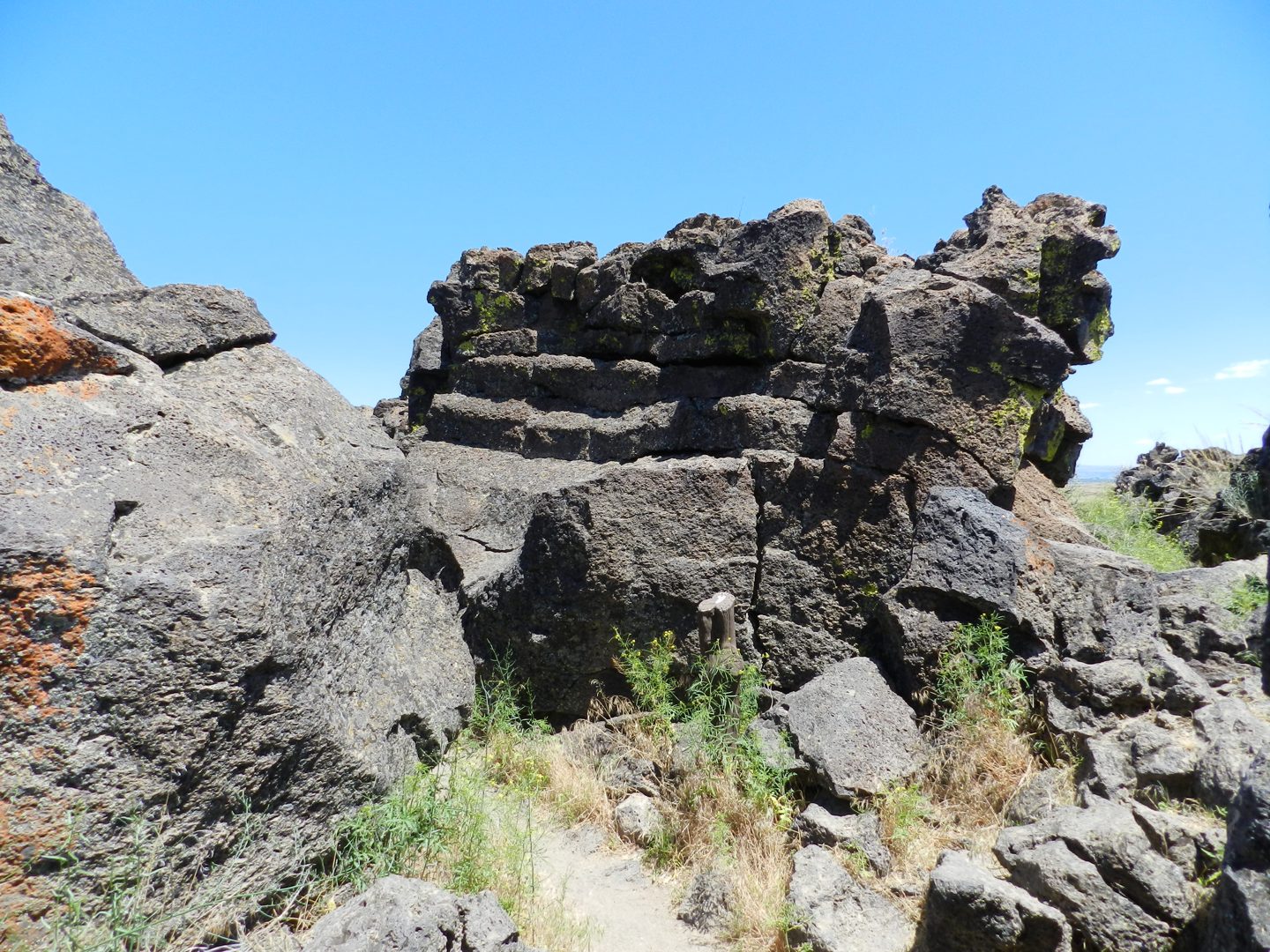
Faial Island is a complex volcanic system formed through successive eruptions that have built its rugged terrain over hundreds of thousands of years. The island’s centerpiece is the Caldeira, a large volcanic crater over 2 kilometers wide and more than 400 meters deep, formed by a massive collapse following an ancient eruption. Surrounding the caldera are multiple volcanic cones, each representing different eruptive phases. The youngest and most dramatic is the Capelinhos Volcano, which erupted in 1957-58, extending the island’s western tip with fresh lava fields and ash deposits. The volcanic rocks here range from basaltic lava flows to loose pumice and ash, interspersed with fumaroles and sulfur deposits. This geological diversity offers hikers a vivid glimpse into volcanic processes, from explosive eruptions to slow lava accumulation, making the trail a natural classroom for earth science enthusiasts.
Terrain and Hiking Experience on the Ten Volcanoes Trail
The Ten Volcanoes Trail is a physically demanding trek that challenges hikers with a variety of volcanic terrains and significant elevation changes. Starting at over 900 meters on the caldera rim, the trail descends more than 1500 meters to sea level, but this descent is punctuated by multiple steep ascents and descents, requiring strong endurance and careful pacing. The initial section around the caldera rim features loose volcanic ash and pumice slopes, which can be slippery and require good hiking boots with solid grip. The trail then transitions into rugged lava rock fields where footing can be uneven and sharp, demanding attention to balance and foot placement. As the route progresses, hikers enter dense Japanese cedar forests, where the terrain softens to forest paths lined with ferns and hydrangeas, offering a welcome respite from the exposed volcanic ridges. Along the way, the trail crosses levadas—traditional irrigation channels—that provide scenic walking corridors but may be narrow and require caution. The final sections near Capelinhos involve walking on loose ash and volcanic debris, a stark contrast to the lush greenery earlier on. Weather on Faial can be unpredictable, with sudden fog, wind, and rain, especially at higher elevations, so hikers must be prepared for rapid changes. The trail’s length, combined with its rugged terrain and elevation profile, makes it suitable only for experienced hikers with good physical fitness. Trekking poles are highly recommended to aid stability on steep and slippery sections. Water refill points are limited, so carrying sufficient hydration is essential. Despite the challenges, the trail rewards hikers with spectacular panoramic views of volcanic cones, crater lakes, and the Atlantic Ocean, making every step a memorable encounter with the island’s volcanic heritage.

What Makes the Ten Volcanoes Trail Unique
The Ten Volcanoes Trail stands out for its extraordinary combination of geological diversity and ecological richness. Unlike many volcanic hikes that focus on a single peak, this trail traverses ten distinct volcanic cones, each with unique formations and landscapes. The route offers a rare opportunity to witness the island’s volcanic evolution from the ancient caldera to the recent Capelinhos eruption site. The juxtaposition of barren volcanic ash deserts with lush cedar forests and endemic flora creates a striking contrast rarely found in a single trek. The trail’s length and elevation profile demand serious physical effort, rewarding hikers with immersive solitude and dramatic vistas. Additionally, the trail’s passage through protected natural reserves highlights the Azores’ commitment to conserving volcanic landscapes and biodiversity. The presence of levadas and traditional agricultural fields along the route adds cultural depth, connecting hikers to the island’s human history intertwined with its volcanic origins.
The Summit and Crater Experience on Faial
Reaching the caldera rim at the start of the trail offers a breathtaking vantage point over Faial’s volcanic heart. The vast crater floor lies hundreds of meters below, dotted with small lakes and marshes, framed by steep walls that tell of cataclysmic eruptions. The air here carries a faint scent of earth and vegetation, with occasional wisps of mist lending a mystical atmosphere. As hikers progress toward the Capelinhos Volcano, the landscape transforms dramatically. The recent eruption’s fresh lava fields and ash deposits create a lunar-like terrain, stark and raw. The crater itself is a powerful reminder of nature’s force, with steam vents and fumaroles occasionally visible. Standing at the edge of these craters, hikers can feel the immense geological energy that shaped the island. The panoramic views encompass the Atlantic Ocean and neighboring islands, offering a profound sense of isolation and connection to the earth’s volcanic pulse.

Best Time to Trek the Ten Volcanoes Trail
The optimal trekking season for the Ten Volcanoes Trail is from late spring through early autumn, typically May to October. During these months, the weather is generally more stable, with milder temperatures ranging from 10°C to 25°C and lower chances of rain. Early summer offers longer daylight hours, ideal for completing the full 21-kilometer route comfortably. However, the Azores’ maritime climate means weather can change rapidly, with fog, wind, and sudden showers possible even in summer. Trekking in winter or early spring is less advisable due to cooler temperatures, increased rainfall, and potentially slippery trail conditions. Hikers should always check local weather forecasts before setting out and be prepared for variable conditions. Sunrise hikes are possible but require headlamps and careful planning due to the trail’s length and difficulty. Avoiding days with strong winds or poor visibility is recommended for safety and to fully appreciate the trail’s spectacular views.
Routes and Trail Options on the Ten Volcanoes Trail
The Ten Volcanoes Trail is primarily a point-to-point route spanning approximately 21 kilometers from the Caldeira of Faial to the Capelinhos Volcano Interpretation Centre. The trail is officially marked as PR 06 FAI with yellow and red wooden signboards and blazes throughout. The hike begins at the caldera rim, descending westward along volcanic ridges and passing through multiple cones and protected natural areas. Key segments include the caldera rim walk, the descent through cedar forests and levadas, and the final approach to the Capelinhos volcanic ash fields. While the full trail is typically completed in one long day, some hikers opt to split the route into two days, staying overnight in nearby villages such as Capelo. Guided tours often provide private transportation to the trailhead and from the endpoint, as public transport options are limited. Alternative routes or detours include a short access tunnel to Cabeço dos Trinta and side visits to volcanic vents and caves along the way. The trail’s elevation profile involves multiple ascents and descents, making it unsuitable for casual walkers but rewarding for experienced trekkers seeking a comprehensive volcanic experience on Faial.
Difficulty Assessment of the Ten Volcanoes Trail
The Ten Volcanoes Trail is classified as a demanding volcano trek. Its 21-kilometer length combined with over 1500 meters of elevation change, including steep ascents and descents, requires a high level of physical fitness and endurance. The terrain varies from loose volcanic ash and pumice slopes to rugged lava rock fields and forest paths, demanding sure-footedness and good balance. The trail is not technical mountaineering but involves challenging hiking conditions, including slippery surfaces and exposed ridges. Weather conditions can add to the difficulty, with wind, fog, and rain affecting visibility and footing. Hikers should be experienced in long-distance trekking and prepared with appropriate gear such as sturdy boots and trekking poles. This trail is best suited for moderate to advanced hikers comfortable with sustained physical effort and variable terrain.
Essential Gear for Trekking the Ten Volcanoes Trail
Proper gear is crucial for safely and comfortably completing the Ten Volcanoes Trail. Recommended items include sturdy hiking boots with excellent grip to handle loose volcanic ash and rocky terrain. Trekking poles provide stability on steep descents and uneven surfaces. Layered clothing is essential to adapt to changing weather, including a windproof and waterproof jacket. A hat and sun protection are important as much of the trail is exposed. Carrying sufficient water and high-energy snacks is vital, as refill points are scarce. A headlamp is useful for early starts or late finishes. A small first aid kit, map or GPS device, and a fully charged mobile phone are recommended for safety. Given the trail’s length and difficulty, a daypack with enough capacity for all essentials is advised. Gas masks or respirators are not typically necessary, as volcanic gases are minimal on this dormant trail.
Safety and Volcanic Hazards on the Ten Volcanoes Trail
While the Ten Volcanoes Trail traverses dormant volcanic terrain, hikers should remain aware of potential hazards. The trail crosses loose volcanic ash and pumice slopes that can be slippery and unstable, increasing the risk of falls. Sharp lava rocks require careful footing to avoid injuries. Weather on Faial is unpredictable; sudden fog and strong winds can reduce visibility and make exposed ridges hazardous. Although the volcanoes are dormant, the area is monitored by local geological agencies for any signs of activity. There are no active fumaroles or dangerous gas emissions along the trail, but hikers should stay on marked paths to avoid unstable crater edges and vents. Carrying a map, informing others of your plans, and hiking with a guide or companion enhance safety. Emergency services are accessible on the island, but response times may vary in remote sections. Preparation, caution, and respect for the volcanic environment are key to a safe trekking experience.
Permits, Guides, and Logistics for the Ten Volcanoes Trail
No special permits are required to hike the Ten Volcanoes Trail, as it is an open public trail within protected natural reserves on Faial Island. However, due to the trail’s length and difficulty, many hikers opt for guided tours to enhance safety and enrich the experience with expert geological and ecological insights. Several reputable tour operators offer private guided hikes along the trail, including Our Island Azores, Guide to The Azores, Veronika’s Adventure, and Travel Buddies. These operators provide knowledgeable local guides, hiking poles, transportation to and from the trailheads, and sometimes snacks or lunch. Guided tours typically cost around €170-€200 per person, reflecting the full-day nature and personalized service. Logistics for independent hikers include arranging transport to the caldera rim trailhead, as public transport is limited. Taxi services are commonly used, with fares around €25 each way. The trail is well-marked with official PR 06 FAI signage, and downloadable GPS tracks are available from Azores Trails and other hiking websites. Hikers should prepare for unpredictable weather, carry sufficient water and food, and start early to complete the trail safely within daylight hours. Accommodation and transport arrangements in nearby villages such as Horta and Capelo facilitate access to the trail. Overall, the trail’s accessibility combined with guided options makes it feasible for experienced hikers seeking a comprehensive volcanic trekking adventure.
Where to Stay Near the Ten Volcanoes Trail
Accommodation options near the Ten Volcanoes Trail cater to a range of preferences, from cozy guesthouses to comfortable hotels, primarily centered around the town of Horta and the village of Capelo. Horta, the island’s main town, offers numerous lodging choices including boutique hotels, guesthouses, and apartments with amenities such as Wi-Fi, dining, and easy access to transport services. Staying in Horta provides convenient access to restaurants, shops, and tour operators offering guided hikes. For hikers seeking proximity to the trail’s start at the Caldeira rim, lodging in Capelo village is ideal. Capelo offers a quieter, rural atmosphere with small inns and guesthouses that immerse visitors in the island’s natural surroundings. While options here are more limited, they provide early trail access and a peaceful base. Popular accommodations include local guesthouses with traditional Azorean hospitality and self-catering cottages. Many lodgings can assist with arranging taxis or shuttle services to the trailhead. Given the trail’s demanding nature, staying overnight before and after the hike in Horta or Capelo allows for rest and recovery. Booking in advance is recommended during peak season. Overall, these bases combine comfort with accessibility, enhancing the trekking experience on Faial.