Mount Wonchi Volcano Trekking Guide: Exploring Ethiopia’s Majestic Caldera and Crater Lake
Mount Wonchi, Ethiopia’s highest volcano, offers a captivating trekking experience through its vast caldera, crater lake, hot springs, and historic island monastery. This guide covers the geology, terrain, routes, safety, permits, accommodations, and local tour operators to help adventurers plan their journey to this unique volcanic destination.
Quick Volcano Snapshot
| Attribute | Value |
|---|---|
| Volcano type | Caldera |
| Elevation | 3,386 m (11,112 ft) |
| Location | Oromia Region, Ethiopia |
| Activity status | Dormant |
| Trekking difficulty | Moderate |
| Typical trek duration | 4–6 hours (day trip) |
| Altitude gain | Approx. 450 m descent and ascent from crater rim to lake |
| Terrain type | Caldera rim trails, volcanic ash slopes, forest patches, crater lake shore |
| Best season | October to May (dry season) |
| Temperature range | 5°C to 20°C (41°F to 68°F) |
| Permit requirement | Guide compulsory; permits managed locally |
Introduction: The Experience of Hiking Mount Wonchi
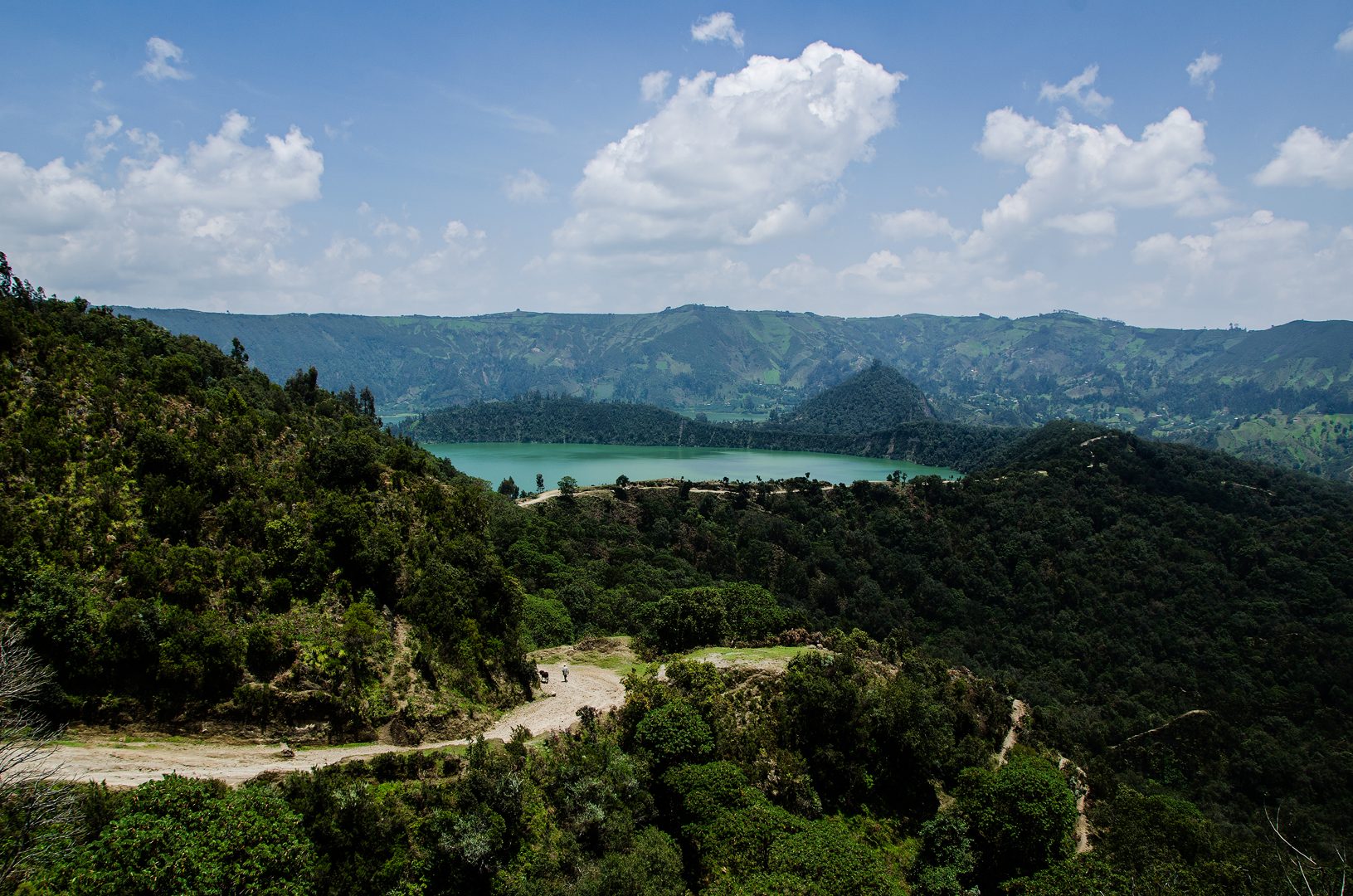
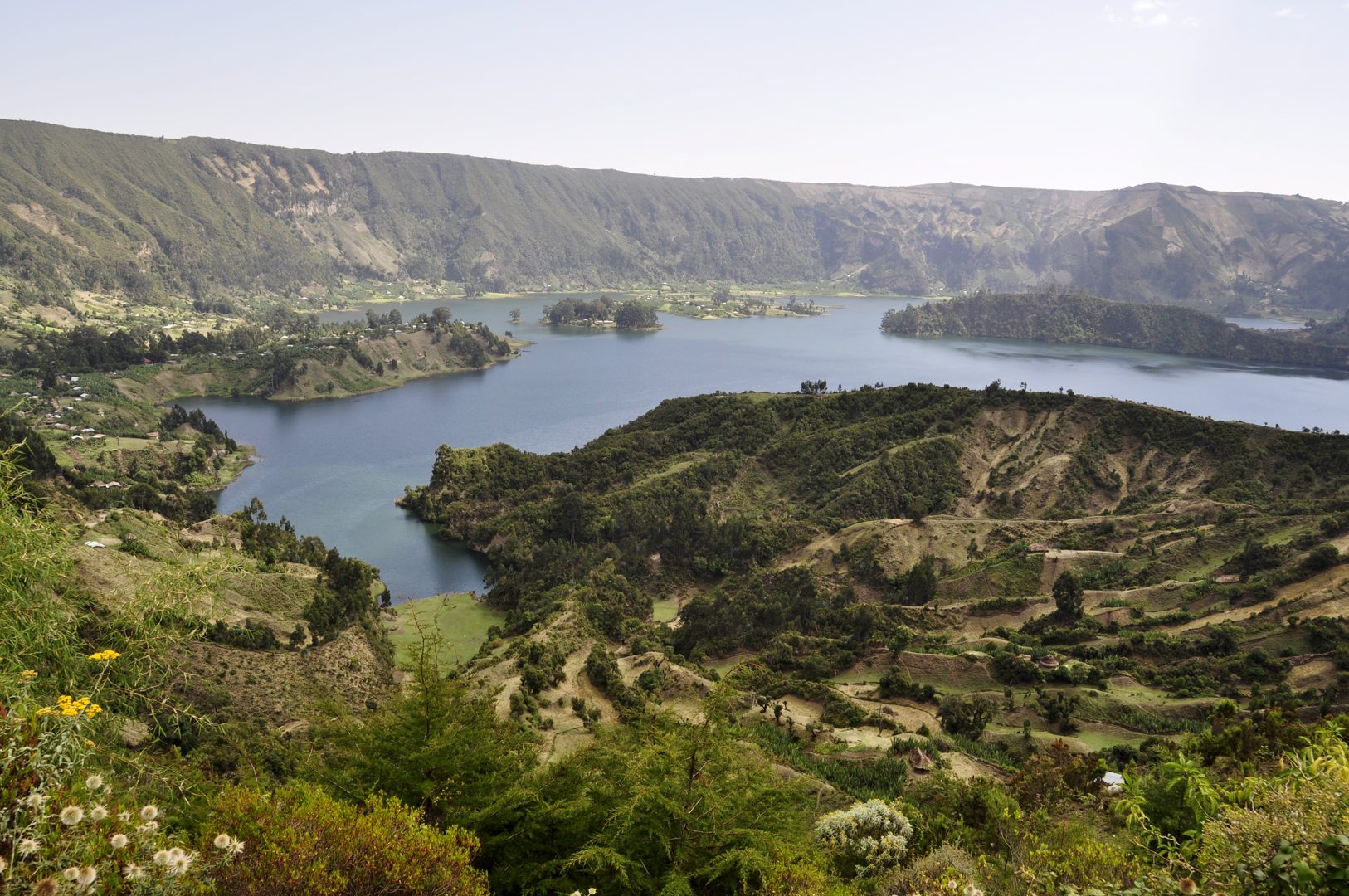
Approaching Mount Wonchi, the highest volcano in Ethiopia, is like stepping into a realm where geological grandeur meets serene natural beauty. The vast caldera walls rise dramatically, enclosing a shimmering crater lake whose emerald waters reflect the sky. The contrast between the rugged volcanic cliffs and the lush Afroalpine moorlands creates a striking landscape. As you descend into the caldera, the air grows crisp and the silence deepens, broken only by the gentle lapping of water and distant birdcalls. Reaching the lake’s edge, the sight of the ancient Cherkos monastery perched on its island evokes a profound sense of history and spirituality. This trek is not just a physical journey but an immersion into Ethiopia’s volcanic heart and cultural soul.
The Volcano Itself: Geological Background
Mount Wonchi is a large extinct caldera volcano located in the Oromia Region of Ethiopia. Formed during the Tertiary period of the Cenozoic Era, it stands at approximately 3,386 meters above sea level, making it the highest volcano in the country. The volcano’s defining feature is its expansive caldera, measuring roughly 4 by 4.8 kilometers, which contains a deep crater lake. Geological studies suggest the caldera may be as deep as 900 meters, with the lake itself plunging to depths of around 400 meters. The caldera’s formation resulted from a massive volcanic eruption that emptied the magma chamber, causing the summit to collapse and create the basin now filled by the lake. The area also features hot springs, waterfalls, and fumaroles, indicating residual geothermal activity. The volcanic rocks around the caldera include basaltic and rhyolitic compositions, with mineral deposits such as sulfur and other volcanic minerals. The presence of fumaroles and steam vents adds to the dynamic geological character of Mount Wonchi, making it a fascinating site for both geologists and trekkers.
The Volcano Trek: Terrain and Hiking Experience
Trekking Mount Wonchi offers a varied and engaging hiking experience that combines volcanic terrain with Afroalpine moorlands and cultivated farmland. The journey typically begins at the caldera rim, accessible by a 4×4 road connecting the towns of Ambo and Woliso. From the rim, hikers descend approximately 450 meters over a well-marked trail that winds through patches of natural forest, volcanic ash slopes, and open moorlands. The descent to the crater lake takes about 45 minutes on foot, though horseback rentals are available to ease the journey and provide a different perspective of the landscape.
The trail surface varies from firm volcanic soil to loose ash and occasional rocky sections, requiring sturdy hiking boots with good grip. The terrain is moderately steep but manageable for hikers with average fitness. Along the way, trekkers encounter diverse flora including Erica arborea and indigenous medicinal plants like Egynia Abyssinica. The air thins slightly at this altitude (~3,000 m at the lake), so pacing and hydration are important.
Upon reaching the lake shore, the landscape opens to a tranquil volcanic lake surrounded by steep caldera walls. The lake’s water is remarkably clear and pure, reputed to be among the cleanest in Africa. Visitors can take boat rides to the island monastery of Cherkos, adding a cultural dimension to the trek. Beyond the lake, several trails extend to nearby hot springs and waterfalls, offering additional hiking options ranging from 4 km to 16 km in length.
The return ascent to the rim is more challenging due to the elevation gain and thinner air. Hikers often take breaks to acclimatize and enjoy panoramic views of the crater and surrounding highlands. Weather conditions can vary, with cool temperatures in the morning and potential afternoon winds near the rim. Rain during the wet season (June to September) can make trails slippery and muddy, so waterproof gear is recommended.
Overall, the terrain’s combination of volcanic ash slopes, forest patches, and crater lake shores creates a unique hiking environment. The moderate difficulty level makes Mount Wonchi accessible to many trekkers while still providing a rewarding challenge and spectacular scenery.
What Makes This Volcano Trek Unique
Mount Wonchi stands out among volcano treks for its vast caldera enclosing a pristine crater lake, a rare feature in the African volcanic landscape. The presence of the ancient Cherkos monastery on an island within the lake adds a profound cultural and spiritual element to the natural beauty. The combination of geological features — including hot springs, waterfalls, and fumaroles — alongside Afroalpine moorlands and cultivated farmland, creates a diverse and captivating environment.
Unlike many volcanic treks focused solely on summit ascents, Wonchi offers a multi-dimensional experience blending nature, history, and local culture. The opportunity to boat across the lake to a 13th-century monastery, reputedly linked to Ethiopian saints and emperors, is a highlight unique to this destination. Additionally, the area’s biodiversity, including endemic plants and birdlife, enriches the trek.
The accessibility of the caldera rim by road and the availability of horseback riding and guided tours make the trek approachable yet adventurous. The dramatic caldera walls and the deep lake basin provide breathtaking vistas that few other volcanoes in Africa can match. This blend of geological grandeur, cultural heritage, and ecological richness makes Mount Wonchi a truly distinctive volcano trekking destination.
The Summit and Crater Experience
While Mount Wonchi’s summit is less emphasized than its caldera rim and lake, reaching the rim itself offers spectacular panoramic views of the crater and surrounding highlands. Standing at the edge of the caldera, hikers are greeted by sweeping vistas of steep volcanic cliffs plunging down to the emerald crater lake below. The air is crisp and carries the faint scent of mineral-rich hot springs nearby.
The crater lake’s surface shimmers with reflections of the sky and surrounding vegetation, creating a serene and almost otherworldly atmosphere. The small island monastery, accessible by boat, adds a mystical touch to the scene. The sound of gentle waves lapping against the shore and the occasional birdcall enhance the peaceful ambiance.
Though the volcano is dormant, subtle geothermal activity is evident in the hot springs and waterfalls scattered around the caldera floor. These natural features provide a sensory experience of warmth and steam contrasting with the cool mountain air. The combination of geological power and tranquil beauty at the crater rim and lake makes this a memorable highlight of the trek.
Best Time to Trek Mount Wonchi
The ideal time to trek Mount Wonchi is during the dry season, from October to May, when trails are clear and visibility is excellent. During these months, the weather is generally stable with mild temperatures ranging from 5°C in the early morning to around 20°C during the day. The dry conditions make hiking safer and more enjoyable, with less risk of slippery trails.
The wet season, from June to September, brings lush green landscapes but also increased rainfall that can turn trails muddy and challenging. Hikers should be prepared with waterproof gear and sturdy boots if visiting during this period. Afternoon showers are common, so starting early in the day is advisable.
Volcanic activity at Mount Wonchi is dormant, so there are no restrictions related to eruptions. However, altitude and weather conditions require trekkers to pace themselves and stay hydrated. Sunrise hikes are popular for their spectacular lighting and cooler temperatures, while daytime climbs offer warmer conditions and opportunities to explore the lake and surrounding features.
Planning visits on Fridays and Sundays is recommended, as local transport and guides are more readily available on these days. Overall, the dry season offers the best combination of trail conditions, weather, and accessibility for trekking Mount Wonchi.
Trekking Routes and Trail Options
Mount Wonchi offers several trekking routes catering to different interests and fitness levels, all centered around exploring the caldera and crater lake. The most popular route begins at the crater rim near the visitor area accessible by 4×4 road from Ambo or Woliso. From here, hikers descend approximately 4 km to the crater lake shore, a journey that takes about 45 minutes on foot or half that time on horseback.
At the lake, visitors can take a boat ride to the Cherkos monastery island, a cultural highlight. From the island, additional trails extend along the lakeshore and into the caldera’s interior. One notable trail is the Bagoba-Abagalalcha Trail, which covers about 16 km and leads to the Dawala hot springs and a scenic waterfall. This longer hike offers opportunities to see grazing horses, streams, and historic water mills.
For those seeking shorter excursions, the Fincha Trail is a 4 km route suitable for half-day hikes, focusing on the lake and nearby natural features. Guided day hikes and pony treks are available through the Wanchi Eco-tourism Association, which requires hiring a local guide for safety and cultural insight.
Self-guided hiking is possible but less common due to the terrain and local regulations. Most visitors prefer guided tours that include transportation from Addis Ababa, ensuring a seamless experience. The trails vary in difficulty from moderate to moderately challenging, with some sections involving loose volcanic ash and uneven ground.
Overall, the route options provide flexibility for day trips or extended exploration, combining hiking, horseback riding, and boating to fully experience Mount Wonchi’s volcanic landscape.
Difficulty Assessment
Mount Wonchi is classified as a moderate volcano trek, suitable for hikers with a reasonable level of fitness and some experience with uneven terrain. The main challenge lies in the elevation change of approximately 450 meters during the descent to and ascent from the crater lake. The altitude of around 3,000 meters at the lake can cause mild effects of thinner air, requiring pacing and adequate hydration.
The trails include volcanic ash slopes, loose scree, and rocky sections that demand good footwear and careful footing. While technical climbing skills are not necessary, hikers should be prepared for moderate physical exertion and variable trail conditions, especially during the wet season when paths can become slippery.
Horseback riding is a popular alternative for those seeking to reduce physical strain, though riders should have basic riding experience. The presence of local guides enhances safety and navigation, particularly for longer routes to hot springs and waterfalls.
Overall, Mount Wonchi offers an accessible yet rewarding trekking experience that balances natural beauty with manageable physical demands, making it ideal for adventurous travelers seeking a moderate challenge.
Essential Volcano Trekking Gear
For trekking Mount Wonchi, essential gear includes sturdy hiking boots with good grip to handle volcanic ash and rocky terrain. Trekking poles are recommended to assist with balance during the descent and ascent. Layered clothing is important due to temperature variations, including a moisture-wicking base layer, insulating mid-layer, and a windproof and waterproof outer shell.
Sun protection is crucial as the high altitude and open terrain offer little shade; bring a wide-brimmed hat, sunglasses, and high-SPF sunscreen. A hydration system or water bottles are necessary to stay well hydrated throughout the trek.
A headlamp or flashlight is useful for early morning starts or late returns. For boat rides and visits to the monastery, modest clothing is advised in respect of local customs. A small first aid kit, insect repellent, and snacks will enhance comfort and safety.
Though volcanic gases are minimal due to the dormant status, sensitive individuals may consider a lightweight respirator or mask. Finally, a camera or smartphone is recommended to capture the stunning landscapes and cultural sites.
Safety and Volcanic Hazards
Mount Wonchi is a dormant volcano with no recent eruptive activity, significantly reducing volcanic hazards for trekkers. However, safety considerations remain important. The caldera rim features steep cliffs and unstable edges, so hikers should maintain a safe distance from drop-offs and follow marked trails.
Loose volcanic ash and scree can cause slips and falls, especially during wet conditions. Proper footwear and trekking poles help mitigate these risks. Sudden weather changes, including strong winds and rain, are common at high altitude and can affect trail safety and visibility.
While volcanic gases are not a significant threat, the presence of hot springs and fumaroles means some areas may emit steam and sulfurous odors. Avoid prolonged exposure near these vents and heed local guide advice.
Local authorities and the Wanchi Eco-tourism Association monitor conditions and provide guidance. Hiring a local guide is compulsory and enhances safety by ensuring knowledge of terrain, weather, and cultural protocols. Emergency services are limited in the area, so preparedness and caution are essential.
Overall, with proper preparation and respect for the environment, trekking Mount Wonchi is a safe and rewarding adventure.
Permits, Guides, and Logistics
Access to Mount Wonchi requires coordination with local authorities and the Wanchi Eco-tourism Association, which manages permits and guides. A guide is compulsory for all visitors, ensuring safety, navigation, and cultural respect. Guides can be arranged at the visitor center near the crater rim or through local tour operators.
Permits are issued locally and typically included in guided tour packages. There is no formal national park fee, but contributions to community tourism initiatives support conservation and local livelihoods. Costs for guided day hikes range from approximately $30 to $60 per person, depending on group size and services included.
Several reputable tour operators offer organized day trips and multi-day tours to Mount Wonchi. Notable companies include Adefa Tours Ethiopia, East Africa Tour Operator, Eyayaw Tours, and the Wanchi Eco-tourism Association itself. These operators provide transportation from Addis Ababa or nearby towns, professional guides, horse rentals, boat rides to the monastery, and picnic lunches.
Logistically, the volcano is accessible via a 4×4 road connecting Ambo and Woliso, with bus services available from both towns to the market at Haro Wanchi village near the crater rim. Buses typically run on Fridays and Sundays, with return trips in the late afternoon. Private minibuses or taxis can be hired for more flexible schedules.
Visitors usually start early from Addis Ababa, with a 3-hour drive to the crater rim. The trek to the lake and back, including boat trips and exploration of hot springs or waterfalls, takes a full day. Longer hikes and overnight stays in nearby towns are possible for those seeking extended exploration.
It is advisable to book tours in advance during peak seasons (October to May). Visitors should carry identification and respect local customs, especially when visiting the Cherkos monastery. The local community benefits directly from tourism, so hiring guides, renting horses, and purchasing crafts or refreshments supports sustainable development.
Overall, the combination of mandatory guides, accessible transport, and well-organized tour operators makes visiting Mount Wonchi a smooth and enriching experience.
Where to Stay Near Mount Wonchi
Accommodation options near Mount Wonchi are primarily located in the nearby towns of Ambo and Woliso, both approximately 30 to 40 kilometers from the crater rim. These towns offer a range of guesthouses, lodges, and small hotels catering to travelers seeking comfort and local hospitality.
In Ambo, notable accommodations include the Ambo Hotel and Ambo Mineral Water Resort, which provide comfortable rooms, dining facilities, and easy access to transportation. Ambo is also famous for its natural mineral springs, adding a wellness dimension to your stay.
Woliso offers several guesthouses and lodges such as the Woliso Hotel and local eco-lodges that emphasize sustainable tourism. These establishments provide basic amenities, warm Ethiopian hospitality, and proximity to the southern access routes to Mount Wonchi.
For visitors seeking a more immersive experience, the Wanchi Eco-tourism Association is developing eco-resorts near the crater rim, including a new facility by Ethiopian Airlines aimed at sustainable tourism. These eco-resorts focus on blending with the natural environment and supporting local communities.
Camping near the crater rim is possible for experienced trekkers equipped for high-altitude conditions, but facilities are limited. Most visitors prefer day trips from Ambo or Woliso, returning to town accommodations in the evening.
Transportation between Addis Ababa and these towns is available via regular buses, private minibuses, or hired vehicles. Addis Ababa, the capital, offers a wide range of hotels and serves as the main gateway for international travelers.
Staying in Ambo or Woliso provides the advantage of local markets, restaurants, and cultural experiences, enriching the overall visit to Mount Wonchi. Early booking is recommended during peak tourist seasons to secure preferred accommodations.