
Mount Hood Crater Rim Trekking Guide: Exploring Oregon’s Iconic Active Stratovolcano
Discover the thrilling experience of hiking the crater rim of Mount Hood, Oregon’s tallest peak and an active stratovolcano. This guide covers the geological background, terrain challenges, trekking routes, permit requirements, safety tips, and accommodation options near the volcano.
Quick Volcano Snapshot
| Attribute | Value |
|---|---|
| Volcano type | Stratovolcano |
| Elevation | 11,240 ft (3,426 m) |
| Location | Oregon, United States |
| Activity status | Active |
| Trekking difficulty | Moderate to Demanding |
| Typical trek duration | 6 to 10 hours |
| Altitude gain | Approximately 4,000 ft (1,220 m) |
| Terrain type | Volcanic rock, ash slopes, alpine forest, crater rim |
| Best season | July to October |
| Temperature range | 20°F to 70°F (-6°C to 21°C) depending on season and altitude |
| Permit requirement | Required for summit and crater rim hikes |
Introduction: The Experience of Hiking Mount Hood Crater Rim
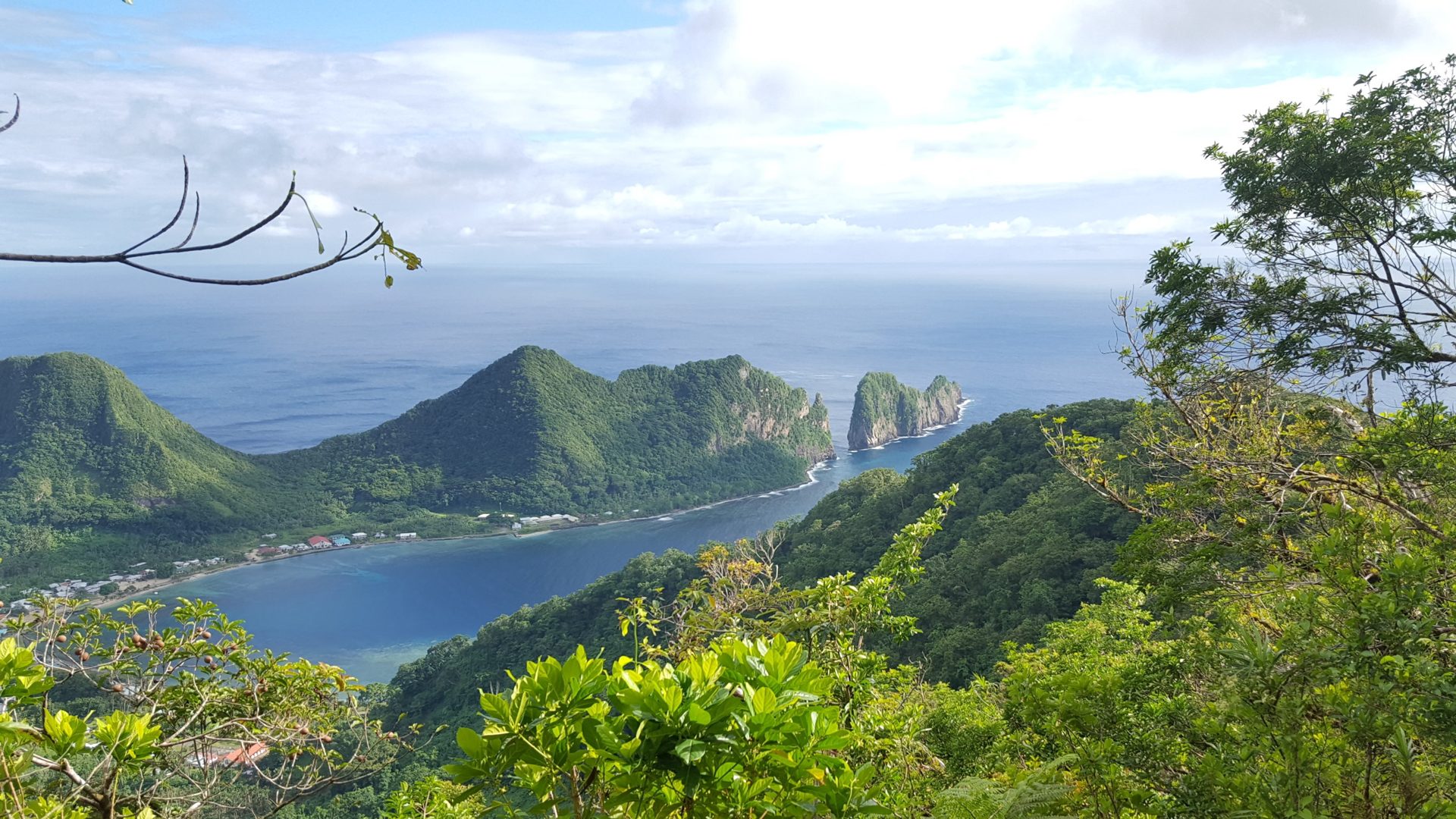
Approaching Mount Hood’s crater rim is an awe-inspiring journey into the heart of volcanic power. The towering stratovolcano dominates Oregon’s skyline, its snow-capped peak contrasting sharply with the rugged volcanic terrain below. As you ascend, the landscape shifts from dense alpine forests to barren lava fields and ash slopes, revealing the raw forces that shaped this mountain. The hike offers a visceral connection to Earth’s fiery processes, with panoramic views that stretch across the Cascade Range. Reaching the crater rim, hikers are rewarded with dramatic vistas into the volcanic summit and surrounding wilderness, a humbling reminder of nature’s might and beauty.
The Volcano Itself: Geological Background
Mount Hood is a classic stratovolcano formed by successive layers of lava flows, ash, and volcanic debris. It rises to 11,240 feet, making it the tallest peak in Oregon and a prominent feature of the Cascade Volcanic Arc. The volcano’s formation began hundreds of thousands of years ago through subduction of the Juan de Fuca Plate beneath the North American Plate, a process that fuels the Pacific Ring of Fire. Mount Hood’s eruptions have been characterized by explosive activity and lava dome growth, with the most recent eruptive episodes occurring within the last few centuries. The crater rim hike traverses volcanic rock formations, fumaroles, and remnants of past lava flows, offering a window into the mountain’s dynamic geological history.
The Volcano Trek: Terrain and Hiking Experience
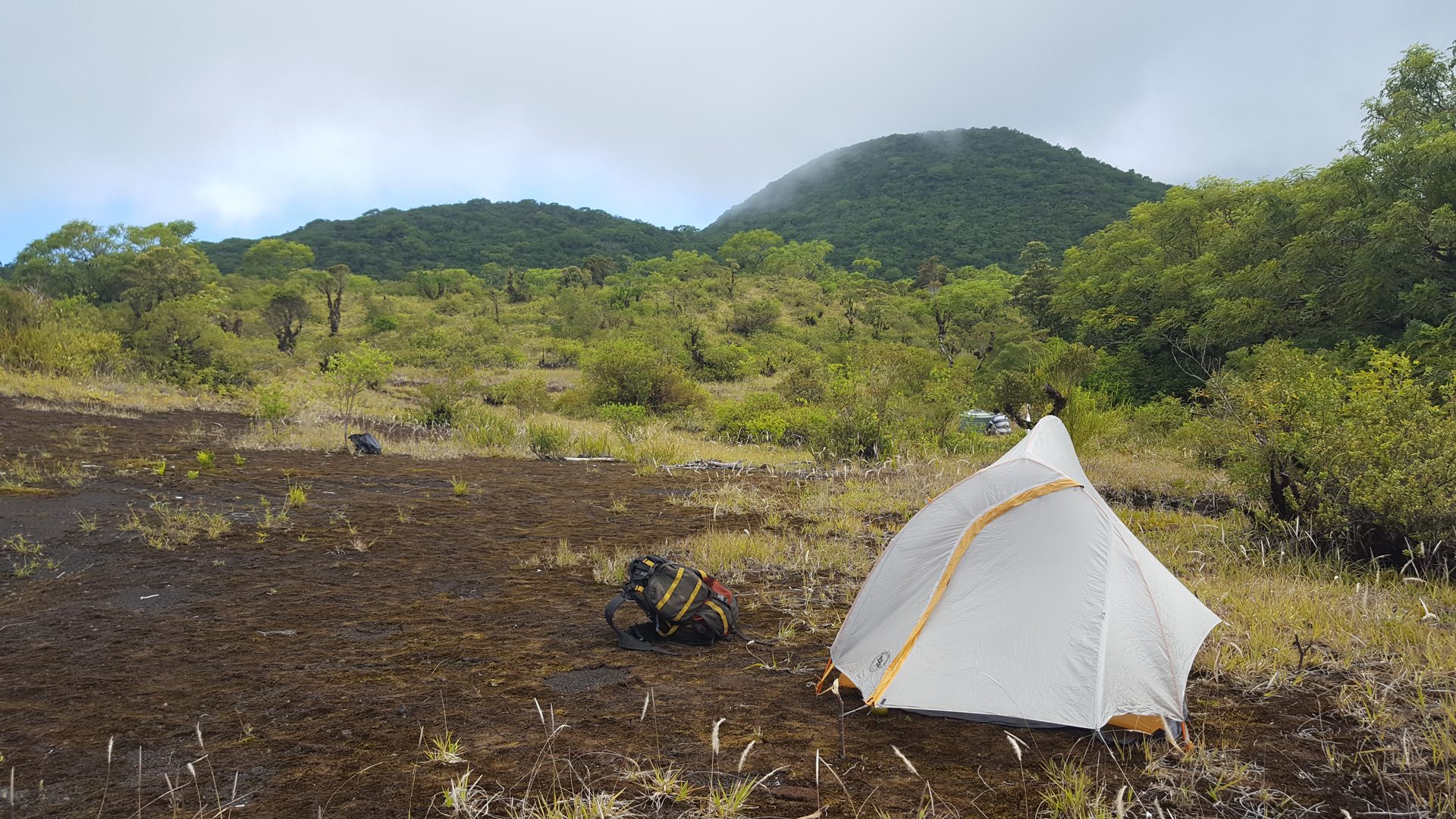
Hiking Mount Hood’s crater rim is a demanding yet rewarding adventure that challenges trekkers with varied and rugged terrain. The trail begins in dense alpine forests, where towering fir and pine trees provide shade and a cool atmosphere. As the elevation increases, the landscape transitions to open volcanic slopes covered in loose ash, pumice, and fragmented lava rock. These sections require careful footing as the loose substrate can shift underfoot, increasing the risk of slips and falls. The ascent involves steep gradients, with altitude gain of approximately 4,000 feet, which can cause noticeable effects such as shortness of breath and fatigue for those unacclimated.
Near the crater rim, hikers encounter exposed ridges with panoramic views but also face strong winds and rapid temperature changes. The volcanic rock here is jagged and uneven, demanding sturdy hiking boots with excellent grip. Scrambling over rocky outcrops is occasionally necessary, adding a technical element to the hike. The crater rim itself offers a dramatic vantage point, with views into the volcanic summit and surrounding Cascade peaks. Weather conditions can shift quickly, with sudden fog, rain, or snow even in summer months, so hikers must be prepared for variable conditions. Overall, the terrain’s diversity—from forested trails to volcanic scree and rocky ridges—makes for an engaging and immersive hiking experience that tests endurance, balance, and respect for the mountain environment.
What Makes This Volcano Trek Unique
Mount Hood’s crater rim trek stands out for its combination of geological significance, natural beauty, and accessibility. Unlike many volcanoes, Mount Hood offers a relatively close-to-civilization experience while still immersing hikers in a wild volcanic landscape. The hike provides rare opportunities to explore an active stratovolcano’s crater rim, with views into fumaroles and volcanic vents. The presence of eleven glaciers on the mountain adds a striking contrast between ice and fire, enhancing the dramatic scenery.
The historic Timberline Lodge near the trailhead enriches the experience, blending cultural heritage with outdoor adventure. The mountain’s spiritual significance to Native American tribes and its role in Pacific Northwest history add depth to the trek. Seasonal wildflower blooms, alpine meadows, and diverse wildlife sightings further distinguish this volcano hike. The combination of technical terrain, geological features, and breathtaking vistas makes Mount Hood’s crater rim a compelling destination for volcano enthusiasts and hikers alike.
The Summit and Crater Experience
Reaching Mount Hood’s crater rim is a moment of profound connection with Earth’s volcanic forces. From this vantage point, hikers peer into the rugged summit crater, where fumaroles emit steam and the scent of sulfur lingers in the crisp mountain air. The rocky rim offers sweeping views of the surrounding Cascade Range, including neighboring peaks and deep forested valleys. The contrast between the barren volcanic terrain and the lush wilderness below is striking.
The summit area is often windy and cool, with temperatures dropping sharply compared to lower elevations. The sound of escaping gases and the occasional rumble remind visitors that Mount Hood remains an active volcano. This sensory experience—combining sight, sound, and smell—immerses hikers in the dynamic natural processes shaping the landscape. The crater rim’s dramatic exposure and panoramic vistas make it a memorable highlight of the trek.
Best Time to Trek Mount Hood Crater Rim
The optimal season for hiking Mount Hood’s crater rim is from July through October, when snow has melted and trails are generally clear. Summer and early fall offer the most stable weather, with warmer temperatures and longer daylight hours. However, even during these months, weather can change rapidly, and afternoon thunderstorms are possible.
Winter and spring months bring heavy snow and ice, making the crater rim inaccessible to most hikers without technical mountaineering skills and equipment. Early season hikes require caution due to lingering snowfields and avalanche risk. Fall colors in the surrounding forests add visual appeal but also signal the approach of colder weather.
Permits are required year-round for summit and crater rim hikes, and hikers should check for any volcanic activity alerts or trail closures before planning their trip. Sunrise climbs are popular for those seeking to witness spectacular dawn light on the mountain and surrounding peaks, but require early starts and headlamps.
Trekking Routes and Trail Options
The primary route to the Mount Hood crater rim begins near Timberline Lodge, located at approximately 6,000 feet elevation on the mountain’s south slope. From here, hikers follow the Timberline Trail and connecting paths that ascend through alpine forests and volcanic terrain toward the crater rim. The most common approach involves a steady climb of about 4,000 feet in elevation over 6 to 8 miles round trip.
Several route variations exist, including longer loops around the mountain via the Timberline Trail, which circumnavigates Mount Hood over approximately 40 miles. For crater rim access, the direct ascent from Timberline Lodge is preferred for its relative accessibility and scenic value.
Guided tours are available through local operators such as Mount Hood Adventure Guides and Timberline Lodge Guided Tours, offering expert knowledge, safety support, and permit assistance. Self-guided hikers must secure permits in advance and be prepared for challenging terrain and weather conditions.
Trail conditions vary seasonally, with loose volcanic ash and rock common on upper slopes. Some scrambling over rocky outcrops near the crater rim may be required. Hikers should plan for a full day to complete the trek safely, allowing time for acclimatization and rest breaks.
Difficulty Assessment
Mount Hood’s crater rim hike is classified as a moderate to demanding volcano trek. The trail involves significant elevation gain of approximately 4,000 feet, steep sections, and variable terrain including loose volcanic ash, rocky slopes, and exposed ridges. While technical climbing gear is not typically required for the crater rim route, hikers should be comfortable with scrambling and navigating uneven surfaces.
Altitude effects may impact some trekkers, especially those not acclimated to elevations above 8,000 feet. Good physical fitness, endurance, and hiking experience are recommended. Weather conditions can increase difficulty, with wind, cold temperatures, and sudden storms common at higher elevations.
This trek is more challenging than beginner volcano hikes but does not reach the technical mountaineering level required for Mount Hood’s summit ascent, which involves glacier travel and rope skills. Proper preparation, pacing, and respect for the mountain environment are essential for a safe and enjoyable experience.
Essential Volcano Trekking Gear
For hiking Mount Hood’s crater rim, essential gear includes sturdy hiking boots with excellent traction to handle loose volcanic ash and rocky terrain. Trekking poles are highly recommended to aid balance and reduce strain on knees during steep ascents and descents. Layered clothing is necessary to adapt to temperature changes, including a windproof and waterproof jacket.
A headlamp is useful for early morning or late evening starts, especially for sunrise hikes. Sun protection such as a wide-brimmed hat, sunglasses, and sunscreen is important due to high UV exposure at altitude and limited shade. Hydration systems or water bottles are essential, as water sources are scarce on the upper slopes.
Depending on conditions, a lightweight gas mask or respirator may be considered to protect against volcanic gases, though this is generally not required for typical crater rim hikes. A first aid kit, map, compass or GPS device, and emergency shelter are recommended for safety. Carrying sufficient food and snacks to maintain energy levels is also important.
Safety and Volcanic Hazards
Mount Hood is an active volcano, and while eruptions are infrequent, hikers must remain vigilant to volcanic hazards. Volcanic gases such as sulfur dioxide can be present near fumaroles and vents, posing respiratory risks. It is advisable to avoid close proximity to steam vents and to heed any posted warnings.
The crater rim and upper slopes feature unstable terrain, including loose scree and jagged volcanic rock, increasing the risk of falls and injuries. Weather conditions can change rapidly, bringing cold temperatures, high winds, and reduced visibility. Hypothermia and altitude sickness are potential risks.
Falling rocks and sudden rockslides may occur, especially on steep slopes. Hikers should stay on marked trails and avoid cliff edges. Monitoring agencies such as the United States Geological Survey (USGS) provide updates on volcanic activity and trail conditions. Visitors should check current alerts before hiking and follow all safety guidelines and permit regulations to minimize risks.
Permits, Guides, and Logistics
Hiking Mount Hood’s crater rim requires a permit, which is managed by the Mount Hood National Forest authorities. Permits are mandatory year-round for summit and crater rim hikes to regulate visitor numbers and protect the fragile environment. They can be obtained online through the official Mount Hood National Forest website or at ranger stations. Permit fees vary but typically range from $10 to $20 per person.
Several reputable tour operators offer guided hikes to Mount Hood’s crater rim, providing valuable expertise, safety oversight, and logistical support. Notable operators include Mount Hood Adventure Guides, Timberline Lodge Guided Tours, and Oregon Mountain Treks. These companies assist with permit acquisition, route planning, and equipment rental, enhancing the overall experience for visitors.
Access to the trailhead is via Timberline Lodge, located on Highway 26 approximately 60 miles east of Portland. Public transportation options are limited, so private vehicles or shuttle services are recommended. Parking is available at the lodge, but spaces can fill quickly during peak season.
Hikers should prepare for a full-day excursion, carrying adequate food, water, and gear. Weather forecasts should be checked in advance, and contingency plans made for sudden changes. Early booking of permits and guided tours is advised, especially during the popular July to October hiking season.
Where to Stay Near Mount Hood
Accommodation options near Mount Hood cater to a range of preferences, from rustic mountain lodges to comfortable hotels and cozy inns. The iconic Timberline Lodge, situated at 6,000 feet on the mountain’s south slope, offers a unique high-alpine experience. Built in the 1930s as a National Historic Landmark, the lodge features charming rooms with vintage timberwork, modern amenities, and stunning mountain views. Guests can enjoy on-site dining, a heated pool, hot tub, sauna, and guided tours, making it an ideal base for crater rim hikes.
In the nearby towns of Government Camp and Hood River, visitors will find a variety of hotels, bed and breakfasts, and vacation rentals. Government Camp provides convenient access to trailheads and ski areas, with accommodations such as the Mount Hood Inn and Cascade Lodge offering comfortable stays. Hood River, located about 30 miles north, is a vibrant town known for its wineries, orchards, and outdoor recreation. Luxury options like the Columbia Cliff Villas Hotel and boutique inns provide upscale amenities and river views.
For those seeking a more rustic or family-friendly atmosphere, Cooper Spur Mountain Resort offers cozy cabins and access to hiking trails. Many accommodations provide shuttle services to trailheads during peak seasons. Early reservations are recommended, especially in summer and fall, when demand is high. Staying near Mount Hood allows hikers to rest and acclimate before and after their volcanic adventure, enhancing the overall experience.