
Mount Welirang Volcano Trekking Guide: Exploring East Java’s Active Sulfur Mountain
Mount Welirang, an active complex volcano in East Java, Indonesia, offers adventurous trekkers a unique experience with its sulfur fumaroles, rugged terrain, and rich cultural mining heritage. This comprehensive guide covers geology, trekking routes, logistics, safety, and accommodation for an unforgettable volcano hiking adventure.
Quick Volcano Snapshot
| Attribute | Value |
|---|---|
| Volcano type | Complex volcano |
| Elevation | 3,156 m |
| Location | East Java, Indonesia |
| Activity status | Active |
| Trekking difficulty | Moderate |
| Typical trek duration | 2-4 days |
| Altitude gain | Approximately 2,400 m from base |
| Terrain type | Rocky volcanic slopes, sulfur fumarole fields, forest trails |
| Best season | May to November (dry season) |
| Temperature range | 5°C to 20°C |
| Permit requirement | Required (National Park permit) |
Introduction: The Experience of Hiking Mount Welirang
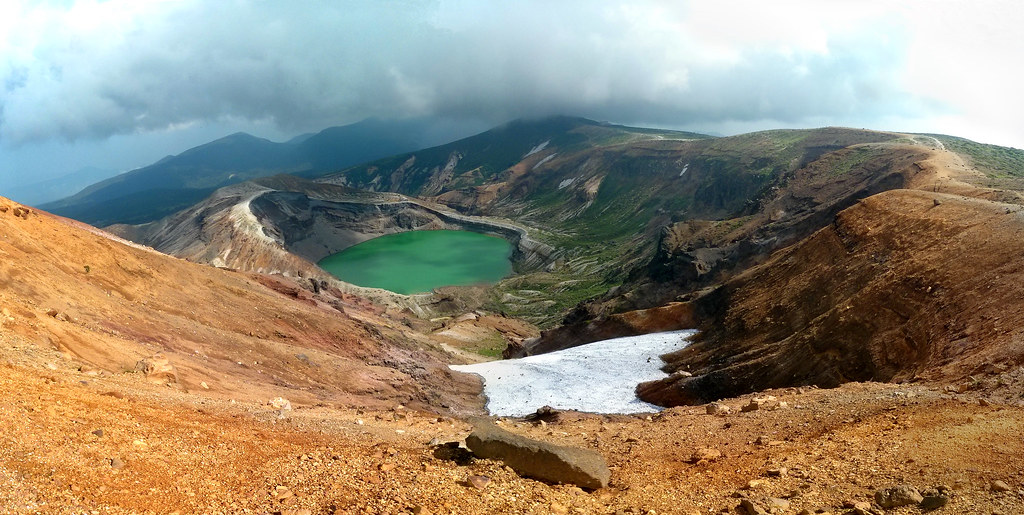
Approaching Mount Welirang, the landscape unfolds into a dramatic volcanic realm where steaming fumaroles punctuate the rugged slopes. The air carries the sharp scent of sulfur, a reminder of the mountain’s active heart. Trekking here is a journey through contrasts — from lush montane forests to barren sulfur fields, each step revealing the raw power of Earth’s geology. Reaching the summit, hikers are rewarded with panoramic views over East Java’s volcanic chain and a visceral connection to the mountain’s simmering energy. The experience is both humbling and exhilarating, a true adventure for volcano enthusiasts.
Geological Background of Mount Welirang
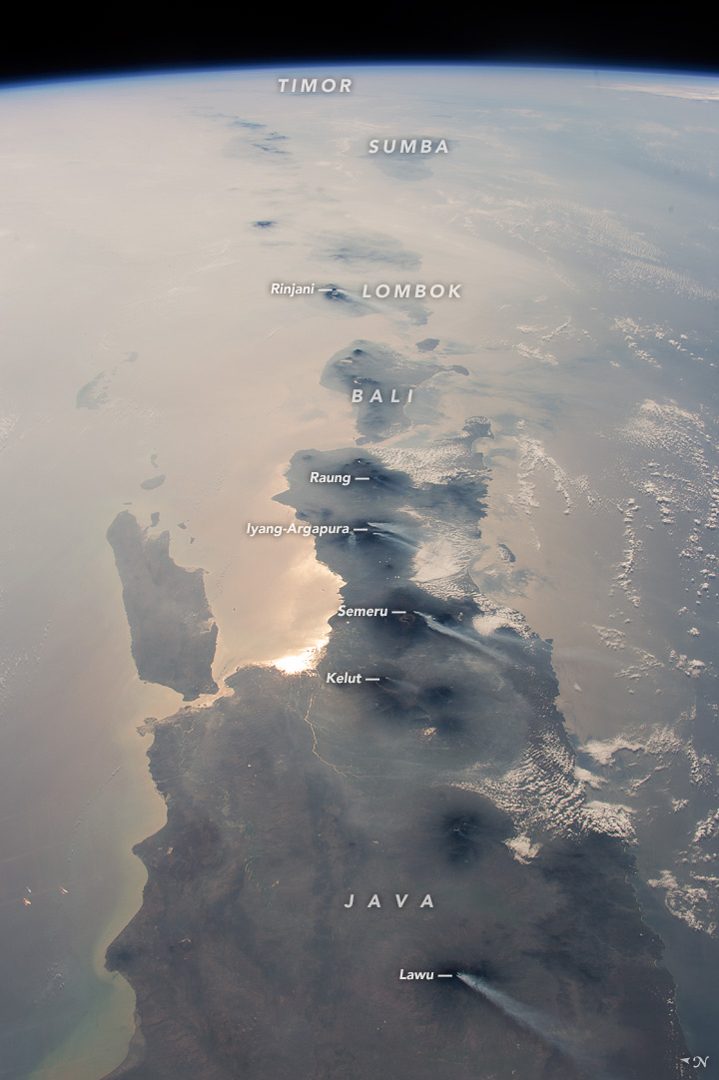
Mount Welirang is a complex volcano located in East Java, Indonesia, standing at 3,156 meters. It forms part of a volcanic massif alongside its dormant twin, Mount Arjuno. Welirang’s name means sulfur in Javanese, reflecting its abundant sulfur deposits and active fumarole fields. The volcano’s formation is the result of tectonic activity along the Sunda Arc, where the Indo-Australian Plate subducts beneath the Eurasian Plate. This subduction generates magma that feeds the volcano’s activity. Welirang features multiple summits, including the prominent sulfur-rich crater that emits continuous plumes of steam and sulfur gases. Its eruptions have been relatively mild but persistent, contributing to the extensive sulfur mining operations on its slopes. The volcanic landscape is characterized by rugged lava flows, fumaroles, and mineral deposits, offering a fascinating glimpse into ongoing geological processes.
The Volcano Trek: Terrain and Hiking Experience
Trekking Mount Welirang is a compelling challenge that combines diverse terrain and moderate physical demands. The journey typically begins at trailheads such as Tretes or Sumber Brantas, ascending through dense montane forests rich with local flora and fauna. Early sections of the trail offer shaded paths with cool temperatures, providing a refreshing start to the climb. As hikers gain elevation, the forest gives way to more open volcanic slopes, where the terrain becomes rocky and uneven. The trail includes sections of loose volcanic scree, requiring careful footing and steady balance. Approaching the summit, trekkers encounter sulfur fumarole fields, where the ground steams and sulfur crystals glisten in the sunlight. The air here can be pungent and occasionally challenging due to sulfur dioxide emissions, making it advisable to carry a mask or respirator. The final ascent involves navigating rocky outcrops and crater rims, exposing hikers to wind and temperature fluctuations. Altitude effects may be felt above 2,500 meters, so acclimatization and pacing are important. The trail is well-marked but rugged, with occasional mining truck paths intersecting the route. Overall, the hike demands moderate fitness, good hiking boots, and readiness for variable volcanic terrain. The reward is a unique volcanic landscape, active fumaroles, and sweeping views of East Java’s volcanic peaks.
What Makes the Mount Welirang Trek Unique
Mount Welirang stands out for its active sulfur fumaroles and the living tradition of sulfur mining that continues on its slopes. Unlike many volcano treks that focus solely on natural beauty, Welirang offers a cultural dimension where hikers can observe miners extracting sulfur using primitive tools amid steaming vents. The sulfur fields create a surreal landscape of yellow mineral deposits contrasting with dark volcanic rock. The volcano’s active status means the terrain is dynamic, with visible steam vents and occasional sulfur smells enhancing the sensory experience. Additionally, the proximity to Mount Arjuno allows for combined trekking adventures, offering varied volcanic landscapes within a single itinerary. The trek’s moderate difficulty and relatively low tourist traffic provide an authentic and immersive volcano hiking experience away from crowded trails.
Summit and Crater Experience on Mount Welirang
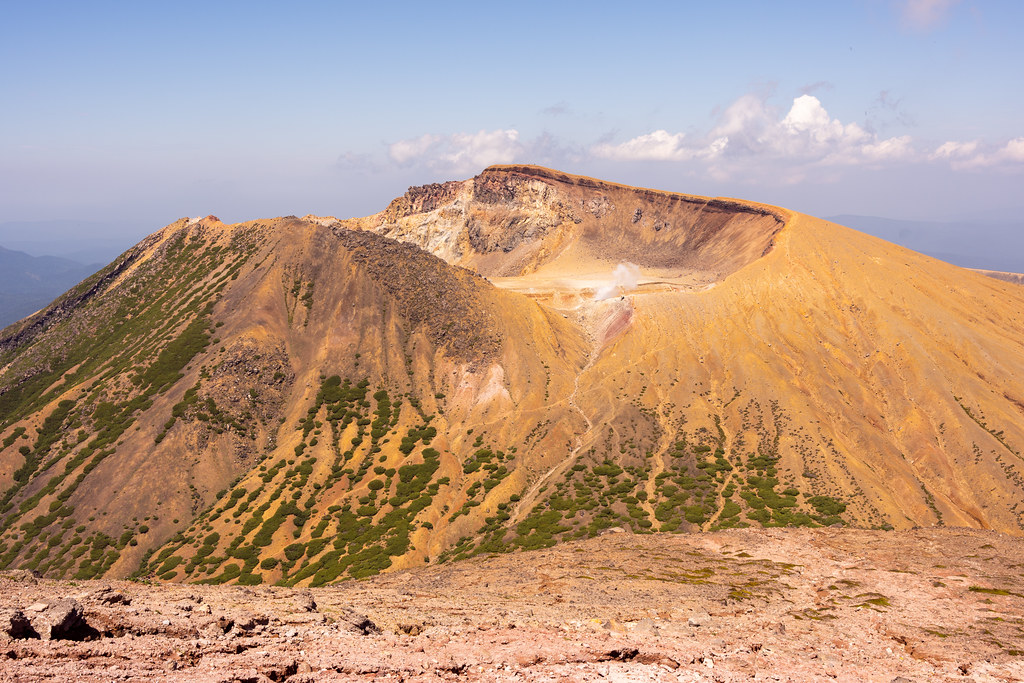
Reaching the summit of Mount Welirang is a moment of awe and sensory immersion. At 3,156 meters, the crater rim reveals vast fumarole fields emitting continuous plumes of white steam tinged with sulfurous yellow hues. The air is thick with the sharp scent of sulfur, and the ground beneath occasionally vibrates with the mountain’s subtle geothermal activity. Hikers can approach the fumaroles cautiously, witnessing the boiling vents and mineral deposits up close. The panoramic views from the summit stretch across East Java’s volcanic landscape, including clear sights of Mount Arjuno, Mount Semeru, and other peaks. The summit’s exposed position means wind and cooler temperatures are felt strongly, adding to the rawness of the experience. The combination of geological activity, dramatic vistas, and cultural mining activity makes the summit a memorable highlight of the trek.
Best Time to Trek Mount Welirang
The optimal trekking season for Mount Welirang is during the dry months from May to November. During this period, rainfall is minimal, trails are less slippery, and weather conditions are generally stable. Trekking outside this window, especially during the monsoon season from December to March, can be challenging due to heavy rains, muddy paths, and increased risk of landslides. Early morning climbs are recommended to avoid afternoon clouds and to experience clearer summit views. Additionally, volcanic activity is monitored continuously; trekkers should check for any temporary restrictions or advisories issued by local authorities. The dry season also coincides with cooler temperatures, making the climb more comfortable. Planning your trek during these months maximizes safety and enjoyment.
Trekking Routes and Trail Options on Mount Welirang
Mount Welirang offers several trekking routes catering to different preferences and timeframes. The most popular starting point is Tretes village, located at about 760 meters elevation. From Tretes, hikers ascend through Kokopan and Pondokan campsites, with an overnight stay at Pondokan, a small mining settlement at 2,450 meters. This route typically takes 2 days, allowing hikers to summit Welirang and return comfortably. Another option is the Sumber Brantas or Cangar trail, which starts at a higher elevation and provides quicker access to the volcano’s pass between the twin peaks. This route is suitable for those seeking a shorter or more direct climb. The Selekta trail near Batu offers a southwestern approach, combining volcanic terrain with local agricultural landscapes. For extended adventures, trekkers often combine Mount Welirang with Mount Arjuno, undertaking 3 to 4-day itineraries that include camping at Lembah Kijang base camp. Guided tours usually provide all camping equipment and porters, facilitating multi-day treks. Each route features a mix of forest trails, volcanic scree, and fumarole fields, with varying degrees of difficulty and scenic highlights.
Difficulty Assessment of Mount Welirang Trek
Mount Welirang is classified as a moderate volcano trek. The terrain includes steep volcanic slopes, loose scree, and rocky paths that require good balance and endurance. Altitude gain from base to summit is approximately 2,400 meters, which can challenge hikers not acclimatized to higher elevations. The trek demands a reasonable level of fitness, with some sections involving sustained uphill hiking for several hours. Technical climbing skills are not necessary, but trekking poles and sturdy boots are highly recommended to navigate uneven and slippery terrain. Weather conditions can add to the challenge, with cold temperatures and strong winds near the summit. Overall, the trek is suitable for hikers with prior mountain trekking experience who are prepared for moderate physical exertion and variable volcanic terrain.
Essential Volcano Trekking Gear for Mount Welirang
Proper gear is crucial for a safe and comfortable trek on Mount Welirang. Essential items include sturdy hiking boots with good grip to handle rocky and loose volcanic terrain. Trekking poles help maintain balance on scree slopes and reduce fatigue. Due to sulfur fumes near fumaroles, a gas mask or respirator is advisable to protect against inhaling harmful gases. Layered clothing is important to adapt to temperature changes, including a windproof jacket for summit exposure. A headlamp is necessary for early morning or night climbs. Hydration systems and sufficient water are vital, as volcanic landscapes offer little shade. Sun protection such as hats, sunglasses, and sunscreen is recommended due to high UV exposure. Additional items include rain gear, gloves, and a first aid kit. Camping gear is typically provided by tour operators for multi-day treks.
Safety and Volcanic Hazards on Mount Welirang
Mount Welirang’s active status presents specific safety considerations for trekkers. Sulfur dioxide and other volcanic gases emitted from fumaroles can cause respiratory irritation; wearing a gas mask or respirator near these vents is essential. The terrain around fumaroles can be unstable and hot, so hikers must maintain a safe distance to avoid burns or falls. Loose volcanic scree and rocky slopes increase the risk of slips and falls, requiring careful footing and use of trekking poles. Sudden weather changes, including strong winds and rain, can reduce visibility and trail safety. Although major eruptions are infrequent, monitoring by Indonesian volcanic agencies is ongoing, and trekkers should heed any warnings or trail closures. It is advisable to trek with experienced guides familiar with the volcano’s conditions and emergency protocols. Carrying a first aid kit and informing local authorities of trekking plans enhances safety.
Permits, Guides, and Logistics for Mount Welirang Trekking
Trekking Mount Welirang requires obtaining a national park permit, which is managed by local authorities and included in most tour packages. Permits ensure regulated access to protect the environment and maintain safety. The permit cost is typically bundled with entrance fees and guide services. Several reputable tour operators specialize in Mount Welirang treks, including Climb Indonesia, Nomadays, SGTREK, Javatravelling, Go Volcano, Adventure Indonesia Tours, and Bromo Java Travel. These companies offer comprehensive packages covering permits, guides, porters, camping equipment, meals, and transportation. Booking through a tour operator simplifies logistics, as they handle permit applications, provide English-speaking guides knowledgeable about the volcano’s geology and safety, and arrange transport from Surabaya or Malang airports to trailheads like Tretes or Sumber Brantas. Typical packages range from 2 to 4 days, with options for combined treks including Mount Arjuno. Costs vary depending on group size and services but generally include accommodation before and after the trek, camping gear, and meals. Independent trekking is possible but less common due to permit requirements and the need for local knowledge. It is recommended to book in advance, especially during the dry season, to secure permits and guide availability.
Where to Stay and Nearby Bases for Mount Welirang Trekking
The primary gateway to Mount Welirang is the village of Tretes, situated at approximately 760 meters elevation. Tretes offers several accommodation options ranging from budget guesthouses to mid-range hotels such as Tanjung Plaza Hotel, providing comfortable amenities and easy access to the trailhead. For a more immersive nature experience, trekkers can stay at the PPLH Seloliman Environmental Education Center near the slopes of Mount Penanggungan, which offers rustic lodging with open bathrooms and a peaceful forest setting. Camping is the norm during multi-day treks, with established campsites at Pondokan (2,450 m) and Lembah Kijang (2,530 m), where tents, sleeping mats, and meals are typically provided by tour operators. For those seeking resort-style comfort, TwoSpaces Living at Welirang Resort in Pacet offers modern facilities including swimming pools, WiFi, and scenic mountain views, located about an hour’s drive from the volcano. Batu town, near Sumber Brantas, also provides hotels and guesthouses catering to trekkers. Staying in these nearby bases allows for acclimatization and convenient early starts. Transportation services from Surabaya or Malang airports to these bases are widely available through tour operators or private taxis.