
Hiking Mount Jiugong: A Complete Volcano Trekking Guide to Hubei’s Scenic Stratovolcano
Mount Jiugong, a dormant stratovolcano in Hubei Province, China, offers a moderate trekking experience through lush forest trails and dramatic volcanic landscapes. This guide covers geological insights, trekking routes, safety tips, permits, accommodations, and local tour operators to help adventurers explore this culturally rich and naturally stunning volcanic mountain.
Quick Volcano Snapshot
| Attribute | Value |
|---|---|
| Volcano type | Stratovolcano |
| Elevation | Approximately 1,700 meters |
| Location | Tongshan County, Xianning City, Hubei Province, China |
| Activity status | Dormant |
| Trekking difficulty | Moderate |
| Typical trek duration | 1 to 2 days |
| Altitude gain | Moderate, approx. 600-800 meters |
| Terrain type | Forest trails, volcanic rock, stone steps |
| Best season | Spring (April to June) and Autumn (September to November) |
| Temperature range | 10°C to 23°C in summer; cooler in spring and autumn |
| Permit requirement | No special permits required; park entrance ticket applies |
The Experience of Hiking Mount Jiugong
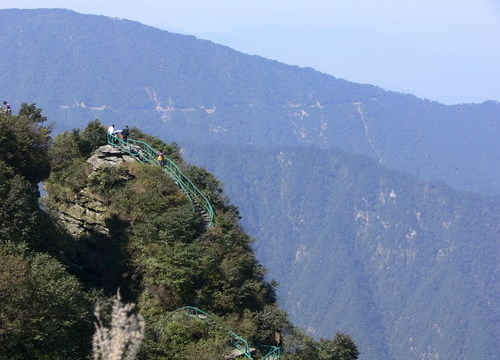
Approaching Mount Jiugong, hikers are greeted by a landscape where volcanic power meets verdant forest. The trail winds through dense woodlands, revealing glimpses of jagged peaks and cascading waterfalls. The contrast between the ancient volcanic rock formations and the lush greenery creates a dramatic and serene atmosphere. As you ascend, the air cools and the forest thickens, immersing you in nature’s quiet grandeur. Reaching the summit, the panoramic views stretch across the Jiugong Mountain range, with the scent of pine and earth filling the air. The sense of standing atop a dormant volcano, surrounded by history and natural beauty, is both humbling and exhilarating.
Geological Background of Mount Jiugong
Mount Jiugong is a classic stratovolcano located in southeastern Hubei Province, China. Formed through successive layers of hardened lava, volcanic ash, and other pyroclastic materials, it represents a significant geological feature within the Luoxiao Mountain subrange. The volcano’s formation dates back millions of years, shaped by tectonic activity along the region’s fault lines. Though currently dormant, its volcanic past is evident in the rugged terrain, volcanic rock outcrops, and mineral deposits found throughout the area. The mountain’s unique karst landforms, including strange peaks and rock formations, add to its geological intrigue. Notable features include fumaroles and sulfur deposits historically observed, though volcanic activity has long ceased. The region also hosts rich biodiversity, supported by the volcanic soil and varied microclimates.
Terrain and Hiking Experience on Mount Jiugong
Hiking Mount Jiugong offers a diverse and engaging trekking experience characterized by a blend of volcanic terrain and lush forest paths. The trails are moderately challenging, suitable for hikers with a reasonable level of fitness. The ascent involves navigating well-maintained stone steps, dirt paths, and occasional rocky sections formed from ancient lava flows. Trekkers will encounter steep slopes interspersed with gentler stretches, allowing for a balanced pace. The volcanic rock terrain can be uneven and requires careful footing, especially in damp conditions when stones may become slippery. The forested sections provide shade and shelter, with a rich canopy of pine, oak, and other native trees. Along the way, hikers pass through primeval forest zones, including the famous Stone Dragon Ditch, which features over 10,000 stone steps carved into the mountainside. This area is known for its quiet, elegant atmosphere and offers a glimpse into the mountain’s natural and cultural heritage. The trail also includes scenic viewpoints overlooking waterfalls such as the Dayatou Waterfall, which plunges over 400 meters, providing spectacular photo opportunities. Weather conditions can vary, with cooler temperatures and occasional winds near the summit, so layered clothing is recommended. Overall, the terrain demands moderate endurance and surefootedness but rewards trekkers with immersive natural beauty and a sense of connection to the mountain’s volcanic origins.
What Makes the Mount Jiugong Trek Unique
Mount Jiugong stands out for its harmonious blend of volcanic geology and rich cultural history. Unlike many volcanic treks dominated by barren lava fields, Jiugong offers verdant forest trails that showcase the mountain’s ecological diversity. The presence of ancient Taoist temples, such as the Zhenjun Stone Temple perched atop Phoenix Hill, adds a spiritual dimension to the trek. The mountain’s historical significance is further highlighted by sites like King Chuang’s Tomb, commemorating the peasant rebellion leader Li Zicheng. The combination of dramatic waterfalls, extensive stone staircases, and panoramic ridge views creates a trekking experience that is both physically rewarding and culturally enriching. The mountain’s karst formations and the sea of clouds phenomenon visible from certain vantage points provide unique photographic and contemplative moments. This trek offers a rare opportunity to explore a dormant stratovolcano that is both a natural sanctuary and a repository of Chinese history and Taoist heritage.
Summit and Crater Experience on Mount Jiugong
Reaching the summit of Mount Jiugong, hikers are greeted by sweeping vistas of the surrounding mountain ranges and valleys. The summit area is marked by rocky outcrops and remnants of volcanic formations, though the crater itself is not prominently visible as an active volcanic feature due to the mountain’s dormancy and forest cover. The air is crisp and carries the subtle scent of pine and earth. From here, the expansive views include the lush forests below, distant peaks, and on clear days, the shimmering waters of nearby reservoirs. The summit’s tranquility contrasts with the mountain’s fiery geological past, offering a reflective space to appreciate the power of nature. The presence of cultural relics nearby enhances the experience, inviting hikers to connect with the mountain’s historical narrative. The gentle breeze and occasional bird calls complete this serene summit atmosphere.
Best Time to Trek Mount Jiugong
The optimal seasons for trekking Mount Jiugong are spring (April to June) and autumn (September to November). During these periods, the weather is mild and stable, with temperatures ranging from 10°C to 23°C, making for comfortable hiking conditions. Spring brings vibrant wildflowers and fresh greenery, while autumn offers crisp air and colorful foliage. Summer months can be warm and humid, with occasional rain showers that may make trails slippery. Winter is cold and less suitable for trekking due to lower temperatures and potential frost. The mountain is accessible year-round, but hikers should avoid the rainy season to reduce risks associated with slippery terrain and landslides. Early morning treks are recommended to enjoy cooler temperatures and the possibility of witnessing the sea of clouds phenomenon. It is advisable to check local weather forecasts and park opening hours before planning your visit.
Trekking Routes and Trail Options on Mount Jiugong
Mount Jiugong offers several well-marked trekking routes catering to different preferences and fitness levels. The most popular route begins at the Jiugong Mountain Scenic Area entrance near Jiugongshan Town and ascends through the forest park, passing notable landmarks such as the Stone Dragon Ditch and Dayatou Waterfall. This trail features a combination of stone steps and dirt paths, with a total distance of approximately 10 to 15 kilometers round trip, typically completed in 1 to 2 days. For those seeking a cultural experience, a detour to King Chuang’s Tomb and the Zhenjun Stone Temple is recommended, adding historical depth to the hike. Alternative routes include ridge walks that offer panoramic views but require more stamina due to steeper ascents and descents. Guided tours by local operators such as Asia Odyssey Travel and China Discovery often include multi-day itineraries combining trekking with cultural visits and nature exploration. Self-guided hikers can access shuttle buses from Xianning City or Tongshan County to the trailhead. The trails are generally safe and well-maintained, with signage in both Chinese and English. Seasonal variations may affect trail conditions, so hikers should prepare accordingly.
Difficulty Assessment of Mount Jiugong Trek
Mount Jiugong is classified as a moderate volcano trek. The terrain includes well-constructed stone steps, forest trails, and occasional rocky sections requiring surefootedness. The altitude, approximately 1,700 meters at the summit, poses minimal risk of altitude sickness but may challenge those unaccustomed to mountain hiking. The trail’s moderate elevation gain and length demand a reasonable level of fitness and endurance. Technical climbing skills are not necessary, and the paths are suitable for hikers with some prior trekking experience. Weather conditions such as rain can increase difficulty due to slippery surfaces. Overall, the trek is accessible to most hikers who are prepared with appropriate gear and physical conditioning.
Essential Gear for Trekking Mount Jiugong
For a safe and comfortable trek on Mount Jiugong, hikers should equip themselves with sturdy hiking boots featuring good grip to navigate stone steps and rocky terrain. Trekking poles are recommended to assist with balance and reduce strain on knees during ascents and descents. Layered clothing is essential to adapt to temperature changes, including a moisture-wicking base layer, insulating mid-layer, and a windproof, waterproof outer shell. A hat and sunscreen are important due to limited shade in some sections. Carry sufficient water and snacks for energy. A headlamp is useful for early morning or late afternoon hikes. Although volcanic gases are minimal due to dormancy, a lightweight face mask can be handy if dust or pollen levels are high. A basic first aid kit and a map or GPS device are advisable for safety. Finally, a camera or smartphone will help capture the stunning landscapes.
Safety and Volcanic Hazards on Mount Jiugong
Mount Jiugong is a dormant volcano with no recent volcanic activity, significantly reducing risks associated with eruptions or volcanic gases. However, hikers should remain cautious of natural hazards such as uneven terrain, loose rocks, and steep stone steps that may cause slips or falls. Weather can change rapidly, bringing rain that makes trails slippery and increases the risk of landslides in certain areas. It is important to stay on marked trails and heed any park warnings or closures. Wildlife encounters are generally safe but should be approached with respect. Emergency services in the area are limited, so carrying a communication device and informing someone of your itinerary is recommended. Local authorities and park rangers monitor the area and provide safety updates. Overall, with proper preparation and caution, trekking Mount Jiugong is a safe and rewarding adventure.
Permits, Guides, and Logistics for Mount Jiugong Trekking
Mount Jiugong is accessible without special permits beyond the standard park entrance ticket, which typically costs around 100 yuan per person, subject to seasonal variation. Visitors can purchase tickets at the Jiugong Mountain Scenic Area entrance. While self-guided trekking is common, hiring a local guide is recommended for those interested in deeper cultural insights and enhanced safety. Reputable tour operators such as Asia Odyssey Travel, China Discovery, and Travel China Guide offer guided trekking packages that include transportation, accommodation arrangements, and expert guidance on the trails and historical sites. These operators facilitate multi-day tours combining hiking with visits to Taoist temples and cultural landmarks. Logistics for reaching Mount Jiugong are straightforward: the nearest major city is Xianning, accessible by train or bus from Wuhan, the provincial capital. From Xianning, shuttle buses and taxis connect to Tongshan County and the Jiugong Mountain trailheads. Self-driving is also an option, with well-maintained highways leading to the scenic area. Accommodation options range from guesthouses in Jiugongshan Town to hotels in Xianning. It is advisable to book accommodations and guides in advance during peak seasons. Visitors should prepare for limited English signage and consider hiring guides who speak English for ease of communication. Overall, the infrastructure supports a comfortable trekking experience with ample support from local services.
Where to Stay Near Mount Jiugong
Accommodation near Mount Jiugong caters to a range of preferences, from budget guesthouses to comfortable hotels. The primary base for trekkers is Jiugongshan Town, located close to the scenic area entrance. Here, travelers can find family-run guesthouses offering basic amenities and local cuisine, ideal for those seeking an authentic experience. For more comfort, Xianning City, approximately one hour’s drive from the mountain, provides a wider selection of hotels including international chains and boutique options. Notable accommodations include the Jiugong Mountain Scenic Area Guesthouse, which offers convenient access to trailheads and basic facilities, and several eco-lodges nestled within the forest park that provide tranquil settings amid nature. Amenities typically include hot water, Wi-Fi, and dining options featuring local specialties such as wild vegetable dishes. During peak seasons, it is advisable to book in advance due to limited availability. Transportation services such as shuttle buses and taxis operate between Xianning, Tongshan County, and Jiugongshan Town, facilitating easy access to accommodations and trailheads. For those interested in cultural immersion, some guesthouses organize local tours and cultural performances. Overall, the lodging options support a comfortable and convenient base for exploring Mount Jiugong’s volcanic landscapes.