
Brown Bluff Volcano Trekking Guide: Exploring Antarctica’s Unique Tuya and Wildlife Haven
Discover the extraordinary Brown Bluff volcano on Antarctica’s Tabarin Peninsula. This dormant cinder cone offers an easy trek across volcanic tuff cliffs, ash beaches, and rich wildlife habitats including vast penguin colonies. Explore its rare geological formation, challenging Antarctic terrain, and essential expedition logistics for an unforgettable polar volcano hiking adventure.
Quick Volcano Snapshot
| Attribute | Value |
|---|---|
| Volcano type | Cinder cone (Tuya) |
| Elevation | Approximately 800 meters (half-mile-high cliffs) |
| Location | Tabarin Peninsula, Antarctic Peninsula, Antarctica |
| Activity status | Dormant |
| Trekking difficulty | Easy |
| Typical trek duration | 2-4 hours |
| Altitude gain | Moderate, up to 185 meters elevation |
| Terrain type | Volcanic tuff cliffs, ash and cobble beach, scree slopes, glacial surroundings |
| Best season | November to February (Antarctic summer) |
| Temperature range | -2°C to 5°C (28°F to 41°F) during summer |
| Permit requirement | Permits required via Antarctic Treaty System and IAATO regulations |
Introduction: The Experience of Hiking Brown Bluff Volcano
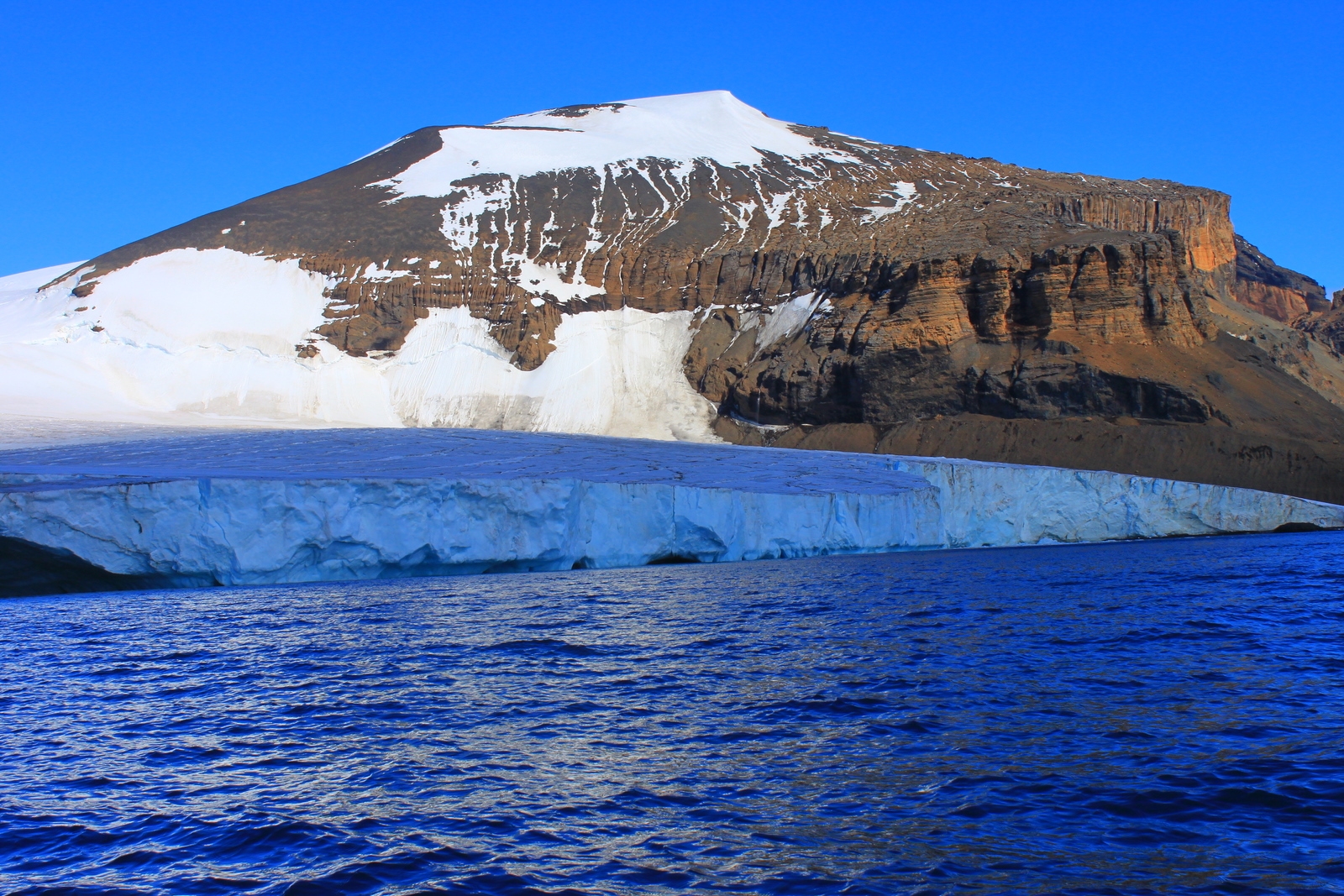
Approaching Brown Bluff, the stark contrast between its towering rust-colored volcanic cliffs and the pristine white glaciers creates a surreal landscape. The volcanic tuff cliffs rise sharply from a cobble and ash beach, framed by drifting icebergs and the icy waters of the Antarctic Sound. Hiking here is a journey into a raw, elemental world where geological power meets fragile wildlife habitats. The air carries a crisp chill, and the occasional calls of penguins echo across the beach. Reaching the base of the cliffs, trekkers feel the weight of millions of years of volcanic and glacial interplay beneath their feet. The sense of isolation and untouched wilderness is profound, offering a rare communion with Earth’s most extreme environments.
The Volcano Itself: Geological Background
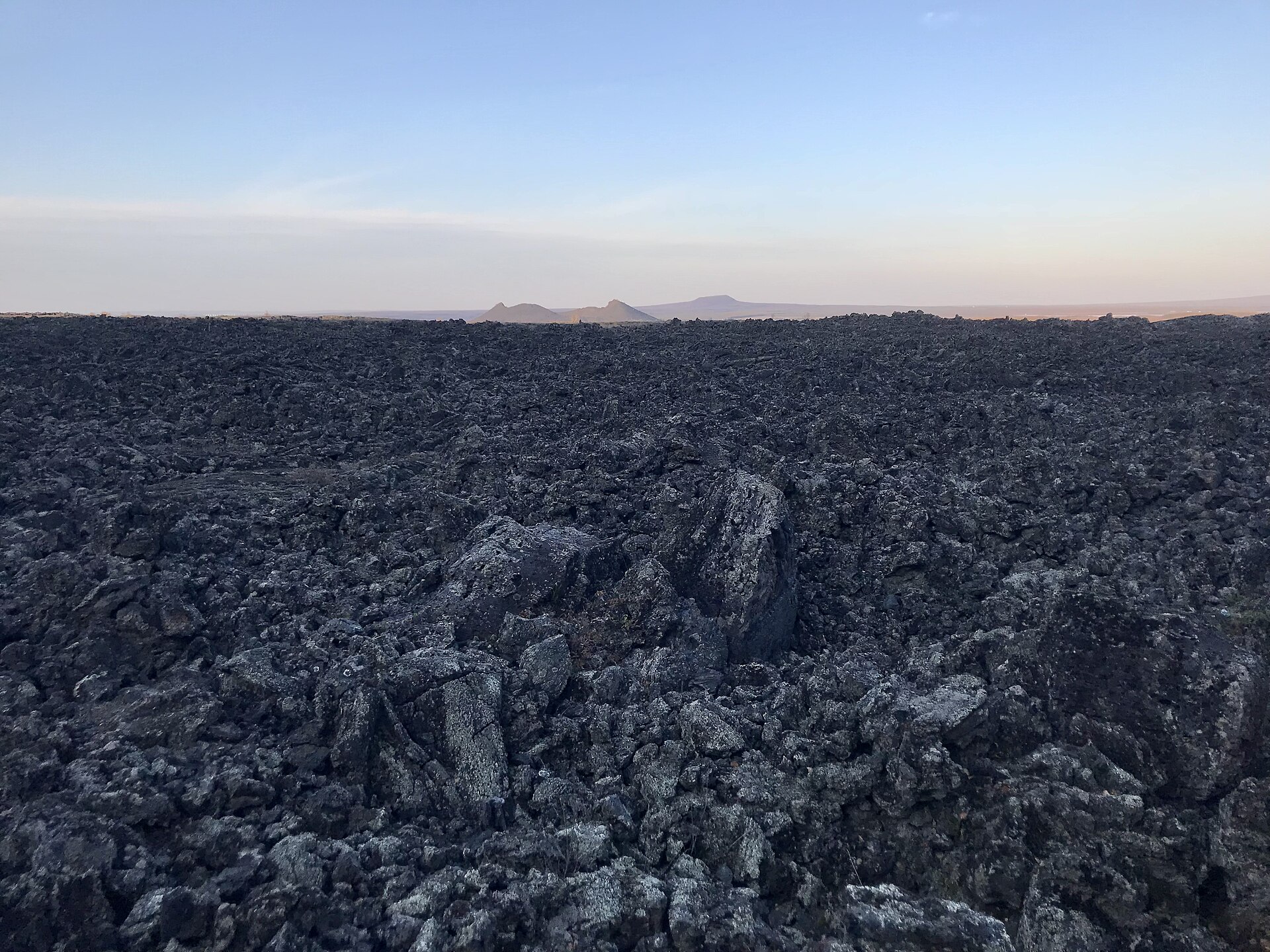
Brown Bluff is a rare example of a tuya, a flat-topped, steep-sided volcano formed by eruptions beneath an icecap. This basaltic cinder cone emerged during subglacial eruptions within an englacial lake approximately one million years ago. The volcano’s structure is divided into four stages: pillow volcano formations at the base, a tuff cone made of volcanic ash and fragmented material, slope failures from erosion, and a hyaloclastite delta formed by volcanic glass fragments. The towering cliffs are composed of brown-to-black hyaloclastite and embedded volcanic bombs—solidified lava fragments hurled during explosive eruptions. Palagonite layers weather the steep ash deposits, creating yellowish hues amid the darker basalt flows that cap the volcano. This geological layering tells a story of violent volcanic activity interacting with thick glacial ice, producing a unique landscape shaped by fire and ice.
The Volcano Trek: Terrain and Hiking Experience
Trekking Brown Bluff offers an extraordinary experience shaped by Antarctica’s harsh environment and the volcano’s unique geology. The journey begins on a 1.5-kilometer-long cobble and volcanic ash beach, which can be challenging due to loose stones and occasional brash ice deposits from surrounding glaciers. The beach slopes steeply upward toward the imposing red-brown tuff cliffs, which form the main hiking objective. The volcanic tuff cliffs are heavily eroded, creating loose scree and frequent rockfalls that require careful footing. Hikers ascend moderate slopes covered in volcanic ash and scree, with some sections demanding cautious scrambling over wind-eroded boulders and volcanic bombs. The terrain is uneven and can be slippery, especially when wet or icy, so sturdy waterproof boots with excellent grip are essential. The altitude gain is moderate, reaching up to 185 meters where lichens and mosses cling to exposed rocks near glacial drainage areas. Weather conditions add complexity; strong Antarctic winds and sudden temperature shifts require layered clothing and windproof gear. Despite the relatively easy technical difficulty, the cold, wind, and remote location demand good physical preparation and respect for the environment. Wildlife encounters are frequent, with large colonies of Adélie and gentoo penguins nesting along the slopes and seals resting on the beach, adding a dynamic and lively element to the trek. The absence of marked trails means hikers often follow guided routes to minimize environmental impact and ensure safety. Overall, the hike combines geological wonder with the thrill of exploring one of the planet’s most pristine and extreme wildernesses.
What Makes This Volcano Trek Unique
Brown Bluff stands out as one of the rarest volcanic formations on Earth—a tuya formed by eruptions beneath thick glacial ice. Its flat-topped, steep-sided cliffs are a geological marvel, showcasing the powerful interaction between fire and ice. Unlike typical volcanic hikes, Brown Bluff’s landscape is sculpted by both volcanic activity and glacial erosion, creating a dramatic tableau of layered tuff cliffs and volcanic bombs. The site is also a vital wildlife sanctuary, hosting over 20,000 breeding pairs of Adélie penguins and hundreds of gentoo penguins, alongside seals and diverse seabirds. This combination of geological rarity and rich biodiversity makes Brown Bluff a singular destination. The remote Antarctic setting adds to its allure, offering trekkers a chance to experience a pristine environment largely untouched by human development. The interplay of volcanic rock, ice, and vibrant wildlife creates a trekking experience that is both scientifically fascinating and emotionally stirring.
The Summit and Crater Experience
While Brown Bluff does not feature a traditional volcanic crater summit accessible to hikers, reaching the upper slopes of the tuff cliffs offers breathtaking panoramic views of the Antarctic Sound, surrounding glaciers, and drifting icebergs. The summit area reveals the layered volcanic deposits up close, with striking contrasts between dark basalt flows and yellow palagonite ash layers. The air is crisp and carries faint sulfurous hints from ancient fumarolic activity, though the volcano is dormant. The soundscape includes the calls of penguins and the distant crashing of ice against the shore. Standing atop the cliffs, hikers feel the immense scale of geological time and the raw forces that shaped this landscape. The experience is both humbling and exhilarating, a rare opportunity to witness a volcanic monument in one of the most remote corners of the world.
Best Time to Trek Brown Bluff
The optimal time to visit and trek Brown Bluff is during the Antarctic summer months, from November to February. During this period, temperatures are relatively milder, ranging from -2°C to 5°C, and daylight hours are extended, allowing for longer exploration windows. Weather conditions are generally more stable, though sudden changes and strong winds remain common. The summer season also coincides with the breeding period of penguins and other wildlife, enhancing the natural spectacle. Outside this window, extreme cold, sea ice, and harsh weather make access and trekking impractical and unsafe. Additionally, Antarctic Treaty regulations and environmental protections limit visitation to this season to minimize ecological impact.
Trekking Routes and Trail Options
Brown Bluff trekking routes are primarily accessed via Antarctic expedition cruises that include guided Zodiac landings on the pebble beach at the eastern end of the site. From the landing zone, the main route ascends the cobble and ash beach toward the towering tuff cliffs. The trail is unmarked but well-established by guides to minimize environmental disturbance and ensure visitor safety. The hike typically involves a moderate ascent of scree and volcanic ash slopes, reaching areas where lichens and mosses grow near glacial drainage. Due to the fragile ecosystem and presence of large penguin colonies, certain areas are restricted or closed to visitors, with designated walking zones enforced by guides. Alternative routes include short explorations along the beach to observe wildlife or guided walks to nearby glacial features. The entire trek usually lasts between 2 to 4 hours, depending on weather and group pace. Self-guided trekking is not permitted due to environmental regulations and safety concerns; all visits must be conducted with authorized guides from IAATO-member operators. The landing beach can be affected by tides and brash ice, occasionally limiting access or requiring route adjustments.
Difficulty Assessment
Brown Bluff is classified as an easy volcano trek in terms of technical difficulty, with no technical climbing or mountaineering skills required. The terrain consists mainly of moderate slopes covered in volcanic ash, scree, and cobbles, which can be slippery and unstable in places. The altitude gain is modest, reaching approximately 185 meters. However, the Antarctic environment introduces unique challenges: cold temperatures, strong winds, and the presence of ice and brash ice on the beach can complicate footing and increase physical demands. Trekkers should be in good physical condition, capable of walking on uneven, loose terrain for several hours while carrying appropriate gear. The remote location and strict environmental regulations mean that all hiking is guided, ensuring safety and minimal ecological impact. Overall, Brown Bluff offers an accessible yet adventurous trekking experience suitable for travelers with moderate fitness and a spirit of exploration.
Essential Volcano Trekking Gear
Trekking Brown Bluff requires specialized gear to handle the cold, windy, and rugged Antarctic environment. Essential items include waterproof, insulated hiking boots with excellent grip to navigate volcanic ash, scree, and icy patches. Trekking poles are highly recommended for stability on loose terrain. Layered clothing is critical: moisture-wicking base layers, insulating mid-layers, and a windproof, waterproof outer shell protect against cold and sudden weather changes. A warm hat, gloves, and neck gaiter or balaclava shield exposed skin. Sunglasses with UV protection and high-SPF sunscreen are necessary due to intense Antarctic sunlight and reflection from snow and ice. A headlamp is useful for early morning or late evening excursions during the extended daylight hours. Hydration systems and high-energy snacks support endurance. While volcanic gases are minimal at Brown Bluff, a lightweight respirator or face mask can be considered for sensitive individuals. Finally, a sturdy backpack to carry gear, camera equipment, and emergency supplies completes the kit.
Safety and Volcanic Hazards
Brown Bluff is a dormant volcano with no recent eruptive activity, significantly reducing volcanic hazards for trekkers. However, the site presents other safety considerations. The steep tuff cliffs are heavily eroded, causing frequent rockfalls and loose scree that can pose slipping and falling risks. Visitors must stay within guided walking areas to avoid unstable ground and minimize disturbance to wildlife. Volcanic bombs embedded in the cliffs are large and potentially hazardous if dislodged. The Antarctic environment itself is a major safety factor: extreme cold, strong winds, and rapidly changing weather require proper clothing and preparedness. Sea ice and brash ice can restrict beach access and complicate landings. All visits are regulated by the Antarctic Treaty System and IAATO guidelines, with strict limits on visitor numbers and mandatory environmental protocols to protect the fragile ecosystem. Expedition operators provide safety briefings, emergency equipment, and experienced guides to ensure safe exploration.
Permits, Guides, and Logistics
Visiting Brown Bluff requires careful planning and adherence to strict Antarctic regulations. Access is exclusively via Antarctic expedition cruises operated by IAATO-member companies such as Oceanwide Expeditions, Lindblad Expeditions, White Desert, and Polar Tours. These operators handle all logistics, including permits, transport, and guided landings. The Antarctic Treaty System governs all visits, mandating environmental protection measures and visitor limits. Permits are issued through national Antarctic programs and coordinated by IAATO to ensure sustainable tourism. Visitors must comply with guidelines restricting group sizes to a maximum of 100 on-site, with a visitor-to-guide ratio of no more than 20:1. Landings occur at designated sites on the eastern end of the beach, with closed areas protecting penguin colonies and sensitive vegetation. The landing beach can be affected by tides and brash ice, requiring flexible scheduling. All trekking is guided to minimize environmental impact and ensure safety. Visitors should book well in advance due to limited expedition slots and seasonal constraints. Equipment rental for cold-weather gear is often available through operators or specialized outfitters. Travel to Antarctica typically involves flights to Ushuaia, Argentina, or Punta Arenas, Chile, followed by multi-day sea voyages through the Drake Passage to the Antarctic Peninsula. The entire expedition demands physical readiness, adherence to strict environmental protocols, and respect for the fragile polar ecosystem.
Where to Stay Near Brown Bluff
Antarctica has no permanent hotels or conventional accommodations near Brown Bluff. Visitors stay aboard expedition cruise ships that serve as mobile bases during their Antarctic journeys. These vessels range from luxury small ships to more utilitarian expedition liners, all equipped to provide comfortable cabins, dining, and amenities suitable for polar conditions. Notable operators offering cruises to Brown Bluff include Oceanwide Expeditions, Lindblad Expeditions, and Ponant, each providing expert guides and comprehensive expedition support. For travelers seeking land-based options, temporary seasonal camps such as Whichaway Camp and Echo Camp operated by White Desert offer luxury pod accommodations in other parts of Antarctica but are not near Brown Bluff. The closest mainland gateway cities are Ushuaia, Argentina, and Punta Arenas, Chile, where travelers typically stay before embarking on their Antarctic cruise. These cities offer a range of hotels, from budget to upscale, with airport access and tour operator offices. Due to the extreme environment and international regulations, all accommodations near Brown Bluff are expedition-based, emphasizing minimal environmental impact and safety. Planning should include booking cruise cabins well in advance, ensuring appropriate gear, and preparing for the unique challenges of polar travel.