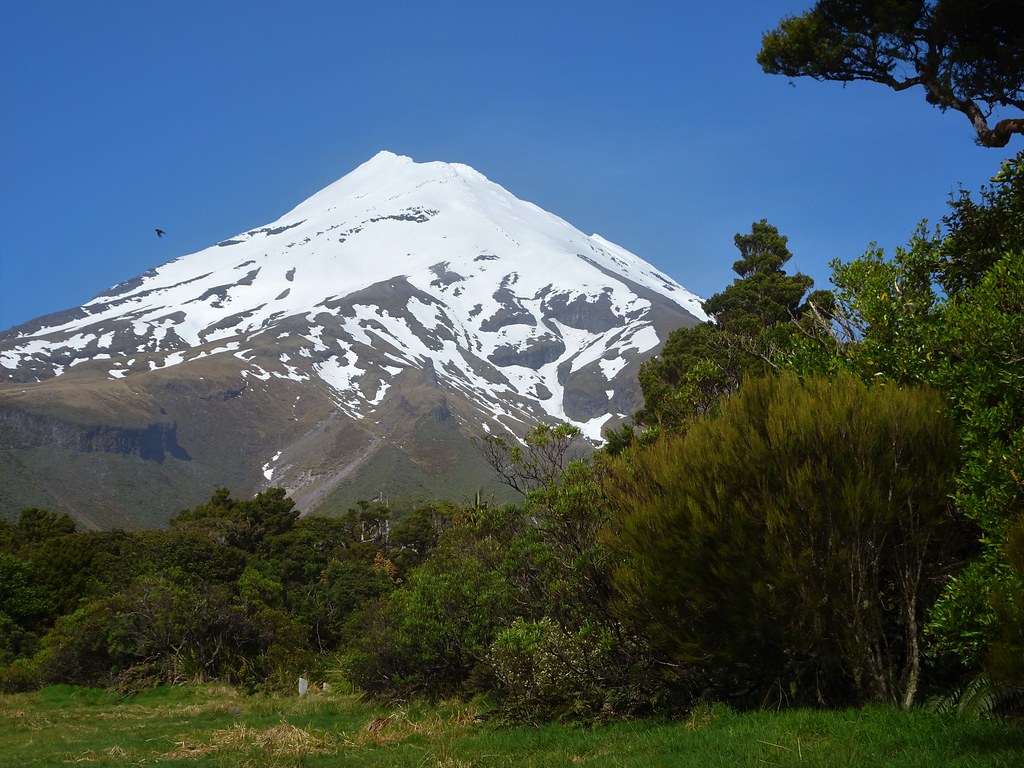

Karymsky Volcano Trekking Guide: Exploring Kamchatka’s Most Active Stratovolcano
Karymsky Volcano, located on Russia’s Kamchatka Peninsula, is one of the most active stratovolcanoes on Earth. This guide offers an expert overview of trekking this dynamic volcanic landscape, covering geological insights, terrain challenges, routes, safety, permits, and accommodation options for adventurous volcano hikers.
Quick Volcano Snapshot
| Attribute | Value |
|---|---|
| Volcano type | Stratovolcano |
| Elevation | 1486 m |
| Location | Kamchatka Peninsula, Russia |
| Activity status | Active |
| Trekking difficulty | Moderate |
| Typical trek duration | 3-4 days |
| Altitude gain | Approximately 600-700 m |
| Terrain type | Lava fields, ash slopes, volcanic rock, caldera rim |
| Best season | June to September |
| Temperature range | 10°C to 20°C (50°F to 68°F) in summer |
| Permit requirement | National park permit required |
The Experience of Hiking Karymsky Volcano
Approaching Karymsky Volcano, trekkers are immediately struck by the raw power of this active stratovolcano. The symmetrical cone rises dramatically within a vast 5-kilometer caldera, its slopes marked by fresh lava flows and ash deposits. The landscape is a stark contrast of dark volcanic rock against the often snow-dusted Kamchatka wilderness. As you ascend, the air fills with the faint scent of sulfur and the distant rumble of ongoing eruptions adds a thrilling soundtrack. Reaching the crater rim, the panorama unfolds with steaming fumaroles and ash plumes, offering an intimate encounter with Earth’s fiery heart. This trek is a journey into a living geological laboratory, where every step reveals the dynamic forces shaping our planet.

Geological Background of Karymsky Volcano
Karymsky is a classic stratovolcano formed within a 5-kilometer-wide caldera that dates back to the early Holocene epoch. This symmetrical cone is relatively young, with much of its surface covered by lava flows less than 200 years old. The volcano’s activity is characterized by Vulcanian and Vulcanian-Strombolian eruptions, producing moderate explosive events and occasional lava flows from its summit crater. Karymsky is one of Kamchatka’s most active volcanoes, erupting almost continuously since 1996. Its eruptions have dispersed ash over vast areas, with historical events linked to large explosive eruptions approximately 177,000 years ago. The volcano’s crater is about 200 meters in diameter and over 30 meters deep, often emitting ash and steam. Surrounding the volcano are thermal springs and acid lakes, including Karymsky Lake, which was transformed into a massive acidic reservoir following underwater eruptions. The geological features here provide a vivid window into volcanic processes, including lava flow morphology, ash deposition, fumarolic activity, and the interaction between volcanic and hydrothermal systems.
Terrain and Hiking Experience on Karymsky Volcano
Trekking Karymsky Volcano offers a challenging yet rewarding experience through diverse volcanic terrain. The hike typically begins in the Karymsky river valley, where the landscape is shaped by old lava flows and thermal springs. Early sections of the trail pass through alder thickets and dry riverbeds, which can be uneven and require careful footing. As you approach the caldera rim, the terrain shifts dramatically to steep ash slopes and loose volcanic scree. These slopes demand steady balance and endurance, as the fine volcanic ash can be slippery and unstable underfoot. The ascent involves negotiating sharp bends along the volcano’s spurs, with occasional scrambling over jagged lava rocks. The volcanic rock varies from solidified lava flows to fragmented bombs and pumice, creating a rugged surface that tests hikers’ agility. Weather conditions add complexity; strong winds are common near the summit, and temperatures can fluctuate rapidly, requiring layered clothing. Altitude effects are moderate given the volcano’s elevation of 1486 meters, but the physical effort combined with the terrain’s instability makes the trek moderately difficult. The trail offers spectacular views of the caldera floor, Karymsky Lake, and neighboring volcanoes such as Maly Semyachik and Zhupanovsky. Campers often stay near the volcanologists’ base at about 900 meters elevation, where hot springs provide a welcome respite. The volcanic environment is dynamic, with ongoing ash emissions and occasional eruptions visible from safe distances, adding an element of unpredictability and excitement. Overall, the terrain demands good physical fitness, sure-footedness, and preparedness for volcanic conditions, making it a thrilling adventure for experienced hikers and volcano enthusiasts.
What Makes the Karymsky Volcano Trek Unique
Karymsky Volcano stands out as one of the most active and continuously erupting volcanoes on the planet, offering trekkers a rare opportunity to witness volcanic activity in real time. Unlike dormant or extinct volcanoes, Karymsky’s ongoing eruptions produce frequent ash explosions and lava flows, creating a dynamic and ever-changing landscape. The volcano’s setting within a large caldera adds geological complexity, with acid lakes, thermal springs, and fumaroles enriching the environment. The proximity to Karymsky Lake, the world’s largest natural reservoir of acid water formed by underwater eruptions, adds a unique hydrological feature rarely seen on other volcano treks. The Kamchatka Peninsula’s remote wilderness setting, with its vast expanses of untouched nature and high density of active volcanoes, enhances the sense of adventure and isolation. Additionally, the presence of scientific research stations and volcanologists at the base camp provides educational insights and a connection to ongoing volcanic monitoring efforts. This trek combines raw volcanic power, scientific intrigue, and pristine wilderness, making it a singular experience for those seeking to explore Earth’s fiery forces up close.
Summit and Crater Experience at Karymsky Volcano
Reaching the summit of Karymsky Volcano is a dramatic culmination of the trek. The crater rim, approximately 200 meters wide and over 30 meters deep, reveals a steaming, active volcanic heart. Here, hikers encounter intense fumarolic activity, with sulfurous gases escaping from vents and the ground radiating heat. The air carries the sharp scent of sulfur, and the sound of escaping gases creates a constant, eerie hiss. From the rim, panoramic views stretch across the Kamchatka volcanic landscape, including neighboring peaks and the expansive caldera floor below. Ash plumes often rise from the crater, drifting on the wind and casting shadows over the rugged terrain. The ground near the crater is unstable and requires caution, but the sensory experience—heat, smell, sound, and sight—immerses visitors in the raw power of an active volcano. The summit offers unparalleled photographic opportunities, especially during clear weather when the contrast between dark volcanic rock and the surrounding wilderness is most vivid.
Best Time to Trek Karymsky Volcano
The optimal trekking season for Karymsky Volcano is during the summer months, from June to September. During this period, temperatures range from 10°C to 20°C (50°F to 68°F), providing relatively mild and stable weather conditions suitable for hiking. The longer daylight hours allow for extended trekking and exploration. However, trekkers should be prepared for occasional rain showers and strong winds, especially near the summit. Winter months bring harsh conditions with heavy snowfall and temperatures dropping below -20°C (-4°F), making access difficult and dangerous. Spring and autumn can be unpredictable, with potential snowmelt and volcanic activity causing trail closures or hazards. It is essential to monitor volcanic activity updates from the Kamchatkan Volcanic Eruption Response Team (KVERT) and adhere to any restrictions or advisories. Sunrise climbs offer spectacular lighting and cooler temperatures but require headlamps and early starts. Overall, summer provides the safest and most comfortable window for trekking Karymsky.
Trekking Routes and Trail Options on Karymsky Volcano
The primary trekking route to Karymsky Volcano begins with a helicopter transfer from Petropavlovsk-Kamchatsky to the Karymsky river valley, approximately 5 kilometers from the volcano’s base. From here, hikers follow a trail through alder thickets and dry riverbeds, gradually ascending towards the caldera rim. The route continues along steep ash slopes and lava fields, with several switchbacks navigating the volcano’s spurs. The ascent typically takes 6 to 8 hours, depending on weather and fitness levels. Camp is usually established near the volcanologists’ base at around 900 meters elevation, providing access to hot springs and a resting point before summit attempts. Alternative routes include radial hikes to nearby volcanoes such as Dvor and Maly Semyachik, offering panoramic views of Karymsky and the surrounding volcanic landscape. These side excursions vary from 2 to 4 hours one way and are often incorporated into multi-day itineraries. Guided tours often combine trekking with helicopter transfers, enabling flexible itinerary options ranging from short day hikes to extended multi-day expeditions. Self-guided trekking is possible but requires thorough preparation, navigation skills, and awareness of volcanic hazards. Overall, the trail network around Karymsky offers diverse options tailored to different adventure levels and interests.
Difficulty Assessment of Karymsky Volcano Trek
Karymsky Volcano presents a moderate trekking challenge. The terrain includes steep ash slopes, loose volcanic scree, and rugged lava fields that require good balance and sure-footedness. The elevation gain of approximately 600 to 700 meters is manageable for hikers with reasonable fitness but can be strenuous due to unstable footing and variable weather conditions. The altitude of 1486 meters is not high enough to cause significant altitude sickness, but the physical demands of volcanic terrain and exposure to wind and cold temperatures increase difficulty. Technical climbing skills are not required, but trekking poles and sturdy boots with excellent grip are essential. The trek is classified as a moderate volcano trek, suitable for hikers with prior experience in uneven terrain and basic mountain hiking. Preparation should include cardiovascular fitness and strength training to handle the sustained ascent and descent on loose volcanic material.
Essential Gear for Trekking Karymsky Volcano
Trekking Karymsky requires specialized gear to handle volcanic terrain and variable weather. Essential items include sturdy hiking boots with strong ankle support and aggressive tread for grip on loose ash and lava rock. Trekking poles help maintain balance on steep and unstable slopes. A windproof and waterproof jacket is necessary to protect against sudden weather changes and volcanic ash. Layered clothing allows adjustment to temperature fluctuations, with moisture-wicking base layers and insulating mid-layers. A gas mask or respirator is recommended to filter volcanic gases and ash during eruptions or strong fumarolic activity. Headlamps are useful for early morning or late evening climbs. Hydration systems and high-energy snacks are vital for sustained energy. Sun protection, including sunglasses, sunscreen, and a wide-brimmed hat, is important due to limited shade and high UV exposure. Additionally, a first aid kit, map, compass or GPS device, and emergency communication tools enhance safety. Campers should bring appropriate camping gear, including tents and sleeping bags rated for cool temperatures.
Safety and Volcanic Hazards on Karymsky Volcano
Karymsky Volcano is an active and continuously erupting stratovolcano, presenting several safety hazards for trekkers. Volcanic gases such as sulfur dioxide can cause respiratory irritation; wearing a gas mask or respirator is advisable during periods of increased emissions. The crater rim and slopes may have unstable edges and loose volcanic rock, increasing the risk of falls or rockslides. Ashfall can reduce visibility and cause slippery trail conditions. Sudden eruptions, although typically moderate, can produce ash plumes and lava bombs; it is critical to monitor real-time activity updates from the Kamchatkan Volcanic Eruption Response Team (KVERT) and follow local authority advisories. Weather in Kamchatka is unpredictable, with strong winds and rapid temperature changes near the summit. Trekkers should be prepared for sudden storms and carry appropriate gear. Emergency satellite communication devices are recommended due to the remote location. Guided tours often include expert volcanologists who provide safety briefings and monitor volcanic activity to minimize risks.
Permits, Guides, and Logistics for Karymsky Volcano Trekking
Trekking Karymsky Volcano requires careful logistical planning and adherence to permit regulations. The volcano lies within a protected national park area on the Kamchatka Peninsula, and visitors must obtain a national park permit prior to their trek. Permits are typically arranged through tour operators or local authorities and may require advance application. Several specialized tour companies offer guided expeditions to Karymsky, including VolcanoDiscovery, Wild Russia, Volcano Adventures, Epic Expeditions, and PrimalScapes. These operators provide comprehensive packages that include airport transfers, helicopter flights to the volcano’s base, camping equipment, meals, and expert guides, often volcanologists, who enhance the experience with scientific insights and ensure safety. Helicopter transfers from Petropavlovsk-Kamchatsky to the Karymsky river valley significantly reduce travel time and allow access to remote trailheads. Guided tours usually span 3 to 4 days, combining trekking with excursions to nearby volcanic features and thermal springs. Costs vary, with land packages starting around $2000 per person in group tours, excluding international airfare and visa fees. Independent trekking is possible but requires thorough preparation, including arranging permits, transport, and camping gear. Emergency satellite communication is recommended due to the region’s remoteness. Visitors should also secure appropriate travel insurance covering volcanic activity and remote wilderness rescue. Overall, engaging a reputable tour operator is highly recommended for a safe, informative, and logistically smooth Karymsky trekking experience.
Where to Stay and Nearby Bases for Karymsky Volcano Trekking
Accommodation options for Karymsky Volcano trekkers are primarily centered around Petropavlovsk-Kamchatsky, the regional capital and main gateway to Kamchatka’s volcanic wilderness. The city offers a range of hotels and guesthouses catering to various budgets, including the Azimut Hotel Kamchatka and the Kamchatka Hotel, both providing comfortable amenities and easy access to airport transfers. For those seeking proximity to the volcano, trekking expeditions typically include helicopter transfers to remote base camps near the Karymsky river valley, where tent camps are established. These camps are equipped with essential camping gear, communal cooking facilities, and access to natural hot springs, offering a unique wilderness experience. The volcanologists’ base camp at approximately 900 meters elevation serves as a key staging point for summit attempts and provides shelter and scientific support. Some tour operators also arrange stays at recreation bases in Paratunka or nearby settlements, which feature cabins and basic amenities, allowing acclimatization before heading into the backcountry. Due to the remote and protected nature of the area, there are no permanent lodges or hotels near the volcano itself, and camping is the primary overnight option during the trek. Visitors should be prepared for rustic conditions and bring appropriate camping equipment. Booking through established tour companies ensures access to well-organized campsites and logistical support, enhancing safety and comfort in this wild volcanic landscape.