Climbing Imbabura Volcano: A Complete Guide to Trekking Ecuador’s Dormant Stratovolcano
Imbabura Volcano, a dormant stratovolcano in Ecuador’s Northern Andes, offers a rewarding moderate trek with panoramic views of nearby lakes and volcanoes. This guide covers geological background, trekking routes, terrain challenges, safety tips, permits, local accommodations, and tour operators to help adventurers prepare for an unforgettable ascent.
Quick Volcano Snapshot
| Attribute | Value |
|---|---|
| Volcano type | Stratovolcano |
| Elevation | 4636 m (15,210 ft) |
| Location | Northern Andes, Ecuador |
| Activity status | Dormant |
| Trekking difficulty | Moderate |
| Typical trek duration | 1 day |
| Altitude gain | Approx. 1,100 m (3,600 ft) |
| Terrain type | Steep grasslands, volcanic rock, ash slopes, paramo |
| Best season | June to September, January to February |
| Temperature range | 10°C to 20°C (50°F to 68°F) |
| Permit requirement | No formal permit required; guided tours recommended |
The Experience of Hiking Imbabura Volcano
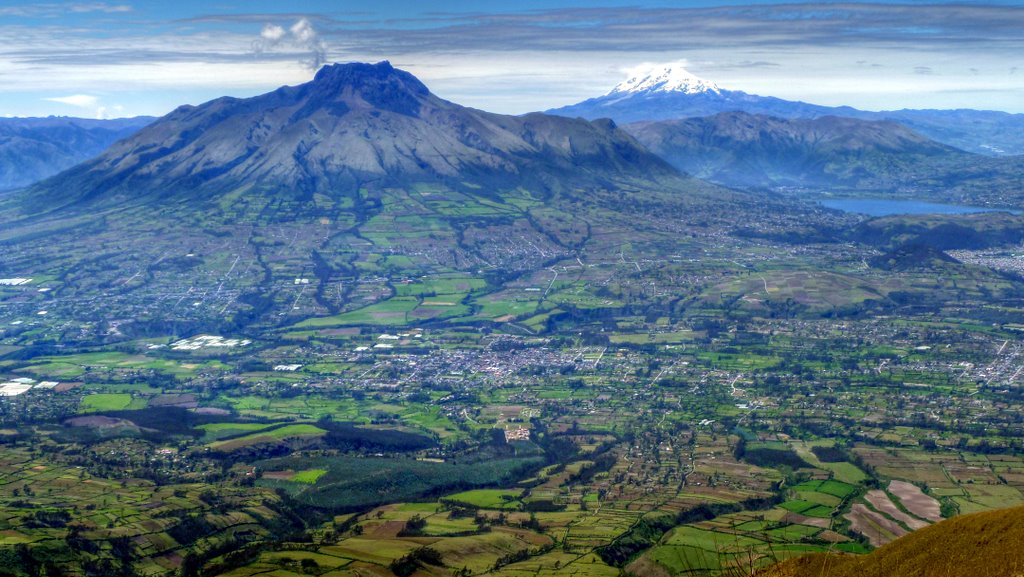
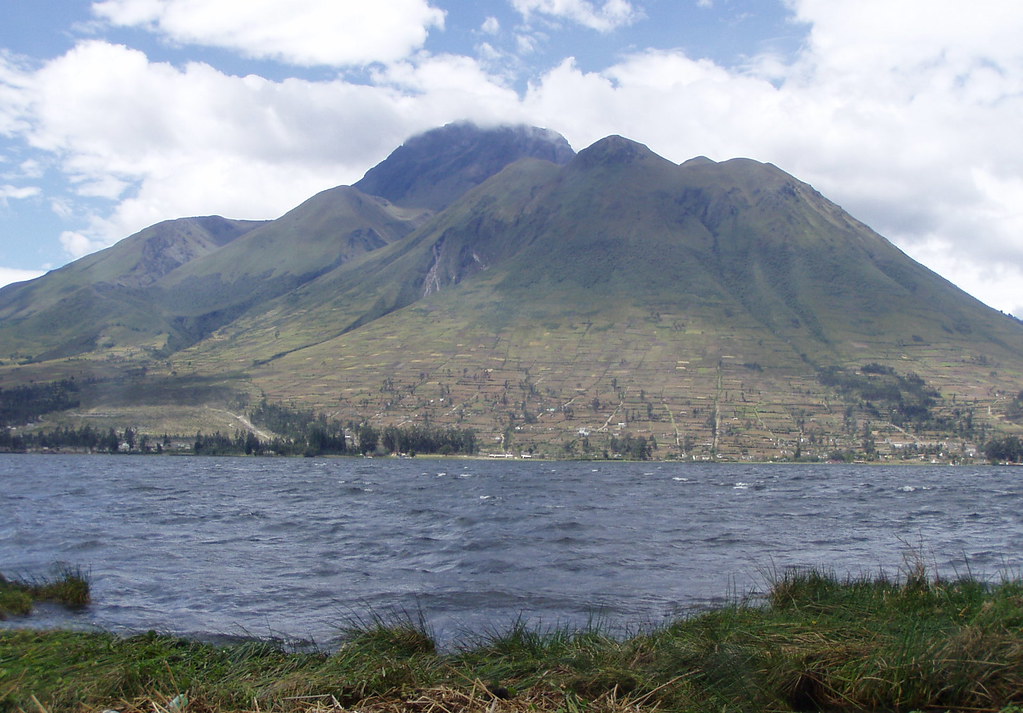
Approaching Imbabura Volcano, hikers are greeted by a striking Andean landscape where lush vegetation gives way to steep volcanic slopes. The climb reveals a dramatic contrast between vibrant paramo grasslands and rugged lava rock formations. As you ascend, the panorama expands to include shimmering lakes and neighboring volcanoes, evoking a profound sense of geological power. Reaching the summit, the air thins and the silence deepens, offering a moment of awe as you stand atop a dormant giant, surrounded by the vastness of Ecuador’s Northern Andes.
Geological Background of Imbabura Volcano
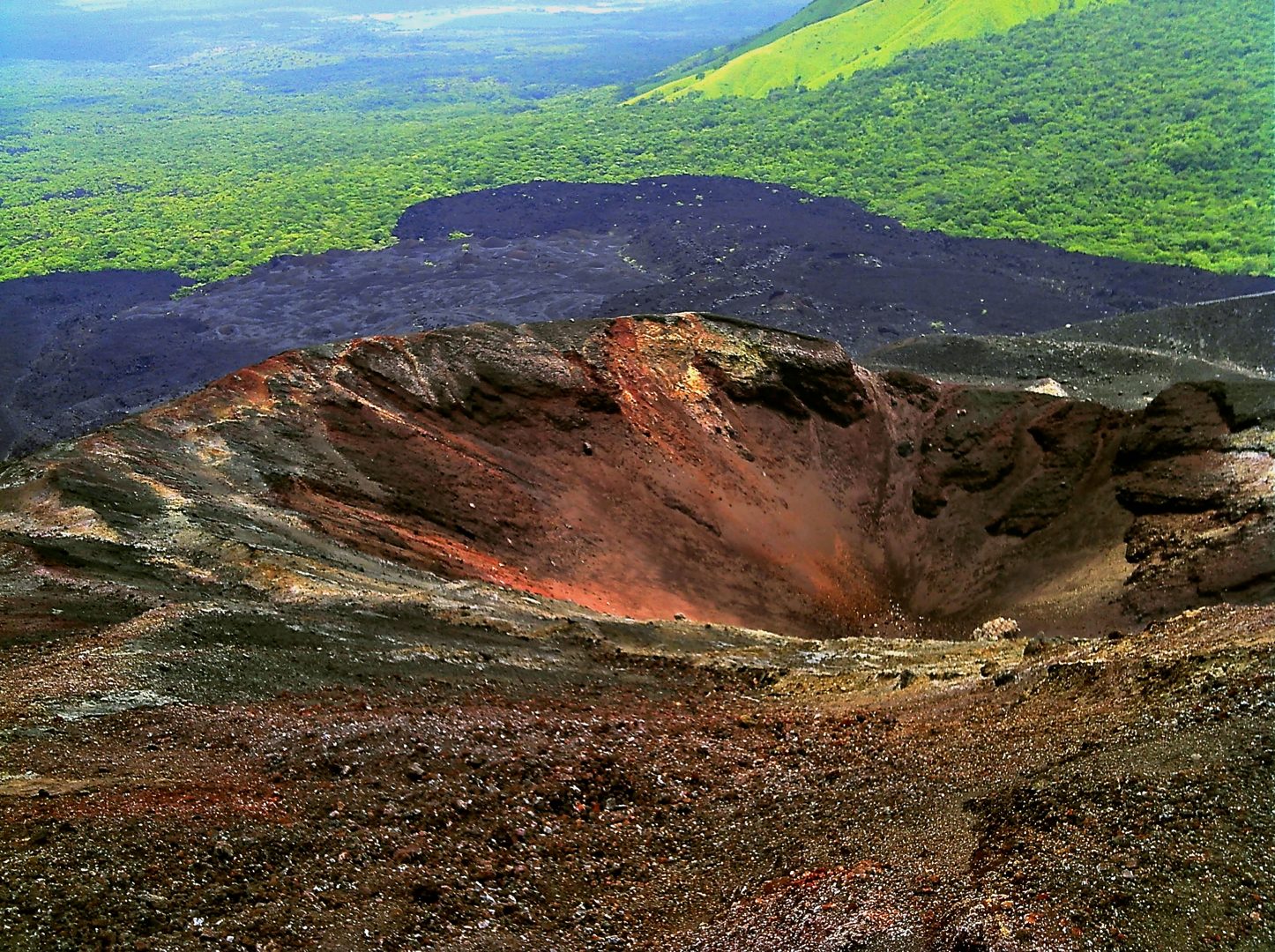
Imbabura is a stratovolcano formed through successive layers of lava flows, ash, and volcanic debris. Located in Ecuador’s Northern Andes, it rises to 4,636 meters and is classified as dormant, with no recent eruptions. Historically, its peaks were glaciated, serving as an important ice source for local communities. The volcano’s crater features sandbanks and volcanic rock walls, shaped by ancient eruptions and erosion. Fumaroles and sulfur deposits are minimal due to its dormancy, but the diverse volcanic minerals enrich the soil, supporting abundant vegetation on its slopes. Imbabura’s geological formations tell a story of Andean volcanic activity and glacial history, making it a fascinating destination for geology enthusiasts.
Terrain and Hiking Experience on Imbabura Volcano
The trek up Imbabura Volcano is a moderately challenging adventure that combines varied terrain and stunning natural beauty. Starting from the village of La Esperanza or the community of Zuleta at around 3,500 meters, hikers traverse steep grasslands known as paramo, characterized by thick tussock grasses and occasional wildflowers. The initial ascent involves navigating these steep slopes, which can become slippery and muddy after rain, requiring careful footing and sometimes trekking poles for stability.
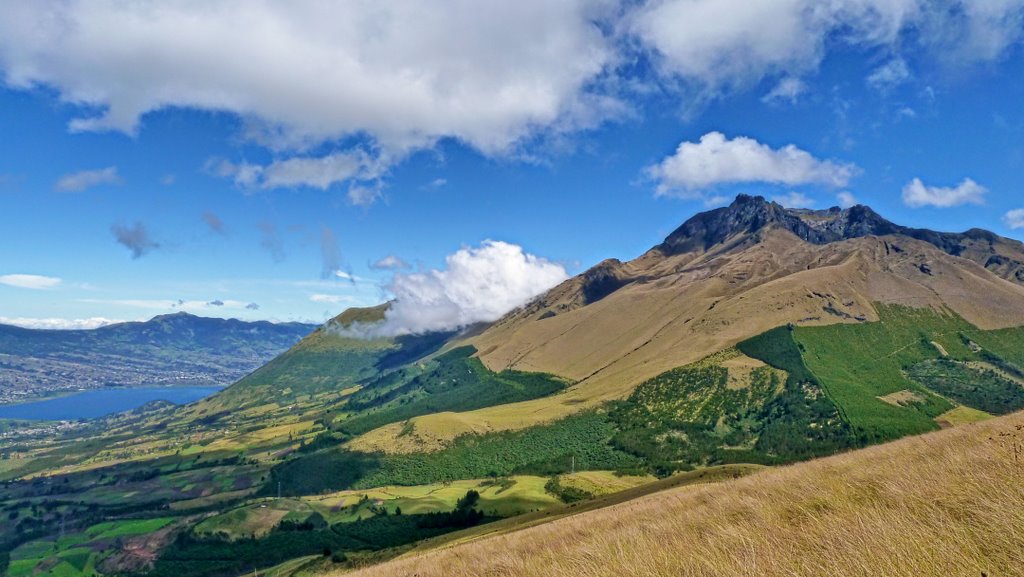
As the trail ascends, the landscape transitions from grassy moorlands to rocky volcanic terrain. Hikers encounter loose pumice and volcanic ash slopes that demand good balance and sturdy footwear. The final sections near the crater rim involve scrambling over volcanic rock formations and negotiating a knife-edge ridge to reach the higher summit. This exposed ridge requires caution due to loose rocks and wind exposure.
Altitude is a significant factor; the summit sits at 4,636 meters, so hikers may experience mild altitude effects such as shortness of breath and fatigue. The climb typically takes 4 to 6 hours ascending and 2 to 3 hours descending, covering approximately 9 kilometers round trip with an elevation gain of about 1,100 meters.
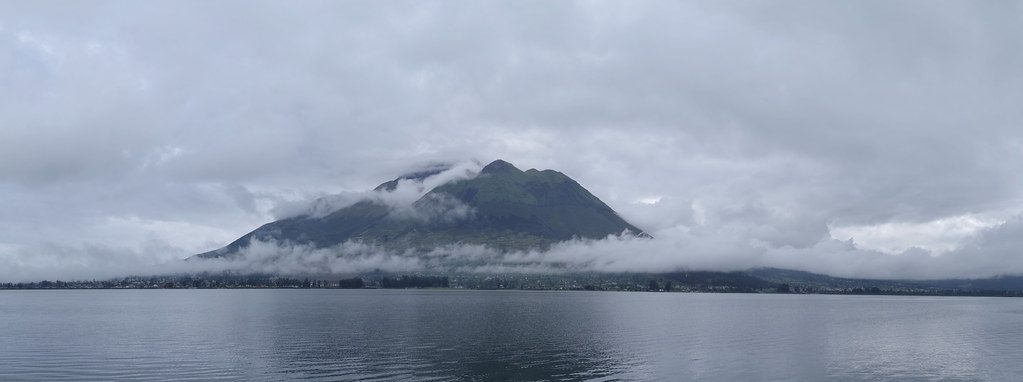
Weather conditions can vary rapidly, with sunny mornings often giving way to cold winds and afternoon showers. Temperatures range from mild during the day to chilly near the summit, especially with wind chill. The trail is moderately marked but benefits greatly from a local guide familiar with the terrain and weather patterns.
Overall, the hiking experience is rewarding, offering a blend of physical challenge and spectacular views of the surrounding Andean landscape, including lakes such as San Pablo and Mojanda, and neighboring volcanoes like Cayambe and Cotacachi. The diverse terrain—from grassy slopes to volcanic rock scrambling—makes Imbabura a perfect acclimatization climb for higher Andean peaks.
What Makes the Imbabura Volcano Trek Unique
Imbabura Volcano stands out for its rich combination of natural beauty, cultural significance, and geological features. Unlike many barren volcanic summits, Imbabura’s slopes are lush with vegetation, offering a rare green contrast to the typical volcanic landscape. The volcano’s dual summits, connected by a dramatic knife-edge crater rim, provide a thrilling climbing experience for adventurous trekkers.
The panoramic views from the summit are exceptional, encompassing nearby lakes such as San Pablo and Mojanda, and a ring of majestic volcanoes including Cayambe, Antisana, and Cotacachi. This vantage point offers a unique perspective on Ecuador’s Northern Andes volcanic belt.
Culturally, Imbabura is considered a sacred mountain by indigenous communities. The surrounding villages, especially Otavalo, are renowned for their vibrant markets and traditional crafts, enriching the trekking experience with local heritage and customs.
The volcano’s historical role as a source of glacier ice for local markets adds an intriguing human dimension to the trek. Today, the combination of natural splendor, moderate technical challenge, and cultural immersion makes Imbabura a distinctive and memorable volcano trek.
The Summit and Crater Experience on Imbabura
Reaching the summit of Imbabura Volcano is a moment of profound accomplishment and sensory immersion. The final approach involves traversing a narrow, exposed crater rim, where the wind intensifies and the terrain becomes rocky and uneven. Standing at 4,636 meters, hikers are rewarded with sweeping panoramic views of the Andean highlands.
From the summit, the vast crater stretches below, dotted with sandbanks and volcanic rock formations. The air carries a faint scent of earth and mineral-rich soil, while the silence is punctuated only by the whistle of the wind. On clear days, the sight of neighboring snow-capped volcanoes and shimmering lakes creates a breathtaking tableau.
The summit’s exposure to the elements demands respect and caution, but the sense of standing atop a dormant giant, surrounded by the raw power of nature, is unforgettable. Many hikers pause here to absorb the landscape, capture photographs, and reflect on the geological forces that shaped this remarkable mountain.
Best Time to Trek Imbabura Volcano
The optimal time to climb Imbabura Volcano is during Ecuador’s dry seasons, primarily from June to September and January to February. During these months, the weather is generally stable with clearer skies, allowing for safer trekking conditions and spectacular visibility from the summit.
Morning starts are recommended to avoid afternoon showers and strong winds that commonly develop later in the day. Temperatures are mild in the early hours but can drop significantly near the summit, so layered clothing is essential.
Rainfall outside the dry seasons can make the trail slippery and increase the risk of falls, especially on the steep grasslands and loose volcanic rock. Additionally, volcanic gas emissions are minimal due to the volcano’s dormant status, but weather changes can be sudden, so monitoring local forecasts and heeding guide advice is important.
Seasonal closures are uncommon, but it is advisable to check with local authorities or tour operators before planning your trek.
Trekking Routes and Trail Options on Imbabura Volcano
The most popular route to ascend Imbabura Volcano begins at the village of Zuleta or La Esperanza, located at approximately 3,500 meters. From here, the trail climbs steeply through paramo grasslands and volcanic terrain to the north summit.
The normal route covers about 9 kilometers round trip with an elevation gain of roughly 1,100 meters. It typically takes 4 to 6 hours to reach the summit and 2 to 3 hours to descend. The trail is moderately marked and includes sections of steep grass slopes, loose volcanic ash, and rocky scrambling near the crater rim.
For those seeking a more extended experience, some operators offer 2- or 3-day programs that include cultural visits to nearby villages such as Otavalo and Peguche, hikes around San Pablo Lake, and exploration of local markets and waterfalls.
The final ascent to the higher summit involves traversing a knife-edge crater rim from the north summit, which is more exposed and requires careful footing. This section is rated as a Class 3 climb due to loose rocks and exposure.
Guided tours are widely available and recommended for safety, navigation, and cultural insight. Self-guided trekking is possible but less common due to the terrain and altitude.
Difficulty Assessment of the Imbabura Volcano Trek
Imbabura Volcano presents a moderate trekking challenge suitable for hikers with good fitness and some high-altitude experience. The trail’s steep grasslands and loose volcanic terrain require endurance and sure-footedness.
Altitude is a key factor; the summit at 4,636 meters can cause mild altitude sickness symptoms in unacclimatized individuals. The ascent involves sustained elevation gain over a relatively short distance, demanding cardiovascular fitness.
Technical difficulty increases near the summit, especially when crossing the knife-edge crater rim, which involves Class 3 scrambling on loose rocks. While no specialized climbing equipment is generally required, helmets and harnesses are provided by some tour operators for added safety.
Overall, the trek is classified as a moderate volcano ascent, suitable for hikers prepared for steep climbs, variable terrain, and altitude effects.
Essential Gear for Trekking Imbabura Volcano
Successful trekking on Imbabura Volcano requires gear suited to steep, variable terrain and changing weather conditions. Essential items include sturdy hiking boots with good grip and ankle support to handle slippery grasslands and rocky sections.
Trekking poles are recommended to aid balance and reduce strain on knees during steep ascents and descents. Layered clothing is vital: moisture-wicking base layers, insulating mid-layers, and a windproof, waterproof outer shell protect against cold, wind, and rain.
A helmet and harness are often provided by guides for the final rocky sections. Sun protection is crucial due to high altitude exposure—bring sunglasses, sunscreen, and a hat.
Additional essentials include a headlamp for early starts, gloves and a warm hat for summit conditions, sufficient water (at least 1.5 liters), high-energy snacks, and a small first aid kit. A camera is recommended to capture the stunning vistas.
Safety and Volcanic Hazards on Imbabura Volcano
While Imbabura is a dormant volcano with no recent eruptive activity, safety considerations remain paramount. The primary hazards include steep and slippery terrain, especially after rain, which can cause falls and injuries. Loose volcanic rocks near the crater rim increase the risk of rockfall and require careful navigation.
Altitude sickness is a concern due to the summit’s elevation of 4,636 meters. Adequate acclimatization, hydration, and pacing are essential to minimize symptoms.
Weather can change rapidly, bringing cold temperatures, wind, and precipitation. Hypothermia risk exists if unprepared. It is advisable to trek with certified guides who monitor conditions and provide safety equipment such as helmets and harnesses for exposed sections.
Volcanic gas emissions are negligible given the volcano’s dormancy, but hikers should remain alert to any unusual smells or signs and heed local authority warnings.
Emergency services are limited in remote areas; therefore, carrying a first aid kit and informing others of your itinerary is recommended.
Permits, Guides, and Logistics for Climbing Imbabura Volcano
Climbing Imbabura Volcano does not require formal permits from government authorities, making it accessible for independent trekkers. However, hiring a certified local guide is strongly recommended for safety, navigation, and cultural enrichment.
Several reputable tour operators offer guided climbs, including Mauna Expeditions, AndeanFace, Pachamama Native Travel, Quichua Tours Otavalo, and Explore Share. These companies provide comprehensive packages that include transportation from Quito or Otavalo, bilingual certified guides, technical equipment such as helmets and harnesses, and meals.
Typical guided day trips start early, around 4:30 to 5:00 AM, with transport to the trailhead near La Esperanza or Zuleta. The ascent takes approximately 6 to 8 hours round trip, with a rest at the summit to enjoy panoramic views. After descending, many tours include a meal at a local restaurant before returning to the city.
Costs for guided tours range from approximately $55 to $120 USD per person, depending on inclusions and group size. Booking in advance is advised, especially during peak trekking seasons.
Logistically, the volcano is located about 110 km north of Quito and 15 minutes from Otavalo, a town famous for its indigenous market. Travelers typically fly into Quito’s international airport and then take private transport, shuttle services, or buses to the trailhead area.
Equipment such as trekking poles, layered clothing, and hydration systems are usually the responsibility of the trekker, though some operators provide technical climbing gear. Safety briefings and acclimatization advice are standard parts of guided tours.
Overall, the infrastructure supporting Imbabura climbs is well developed, with multiple local guides and operators ensuring a safe and rewarding trekking experience.
Where to Stay Near Imbabura Volcano
Accommodations near Imbabura Volcano cater to a range of preferences, from rustic lodges to comfortable hotels, primarily located in the towns of Otavalo, Ibarra, and the village of La Esperanza.
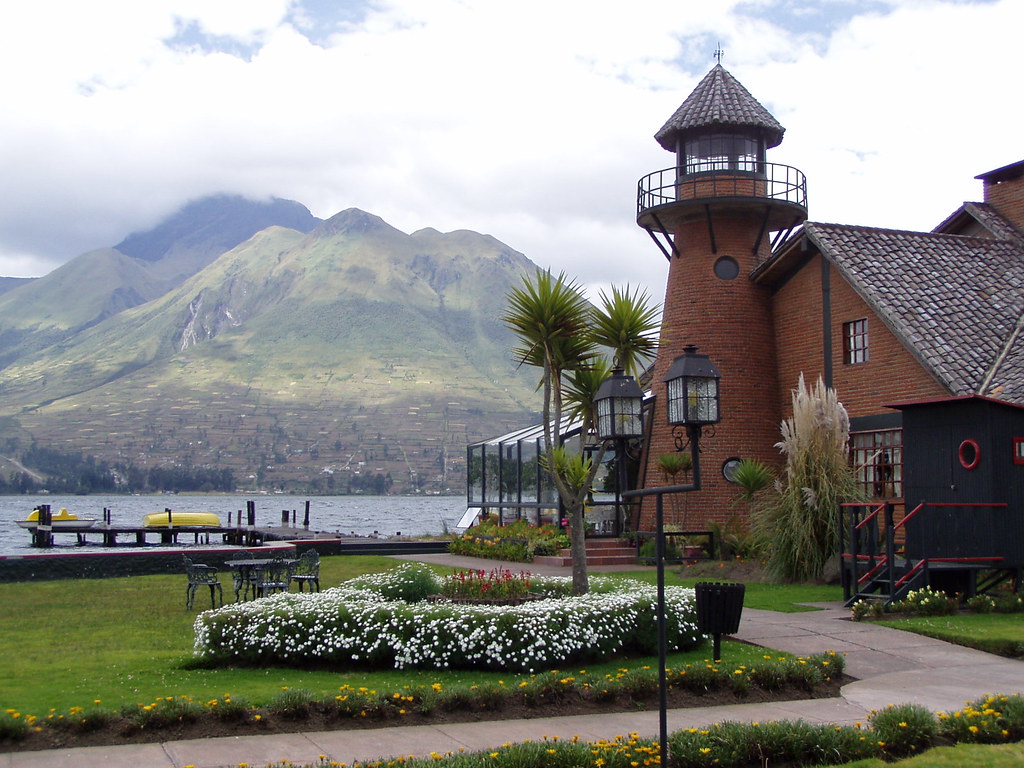
Otavalo, about 15 minutes from the volcano’s base, is the most popular base for trekkers. It offers numerous hotels, hostels, and guesthouses. Notable options include Hacienda Zuleta, a charming and luxurious hotel featuring antique furnishings, horseback riding, and traditional Ecuadorian cuisine. Its proximity to Otavalo’s vibrant market makes it ideal for cultural exploration.
Near Lake San Pablo, Hacienda Cusin provides a tranquil country escape with cozy fireplaces, local food, and antique decor, perfect for relaxation after a day of trekking.
In Ibarra, the provincial capital located approximately 30 minutes from the volcano, travelers can find modern hotels and unique stays such as charming domes with private jacuzzis, offering rural tranquility with easy access to urban amenities.
La Esperanza, the closest village to the trailhead, has limited but convenient lodging options, including small inns and guesthouses that provide early access to the volcano for sunrise climbs.
Many accommodations offer amenities such as guided tour bookings, transportation arrangements, and local cuisine. Booking in advance during peak seasons is recommended.
For those seeking camping, there are informal sites along the trail, but no established campsites with facilities. Most trekkers prefer day trips or stay in nearby towns.
Overall, the region balances accessibility and comfort, allowing trekkers to rest well before and after their ascent of Imbabura Volcano.