Climbing Chimborazo Volcano: Ecuador’s Ultimate Technical Mountaineering Challenge
Chimborazo, Ecuador’s highest peak and the closest point on Earth to the sun, offers a demanding technical mountaineering experience. This dormant stratovolcano challenges climbers with icy glaciers, steep slopes, and high altitude, requiring expert preparation, acclimatization, and certified guides. Discover detailed route options, gear recommendations, and local accommodations to plan your ascent of this iconic Andean giant.
Quick Volcano Snapshot
| Attribute | Value |
|---|---|
| Volcano type | Stratovolcano |
| Elevation | 6,268 meters (20,564 feet) |
| Location | Avenue of the Volcanoes, Ecuador |
| Activity status | Dormant |
| Trekking difficulty | Technical mountaineering |
| Typical trek duration | 2 days (guided ascent) |
| Altitude gain | Approx. 1,300 meters from base camp to summit |
| Terrain type | Glaciers, snow slopes, volcanic rock, ice ridges |
| Best season | June to August and December to January |
| Temperature range | -10°C to 5°C (14°F to 41°F) depending on altitude and weather |
| Permit requirement | Required; guided climbs recommended |
The Experience of Hiking Chimborazo Volcano
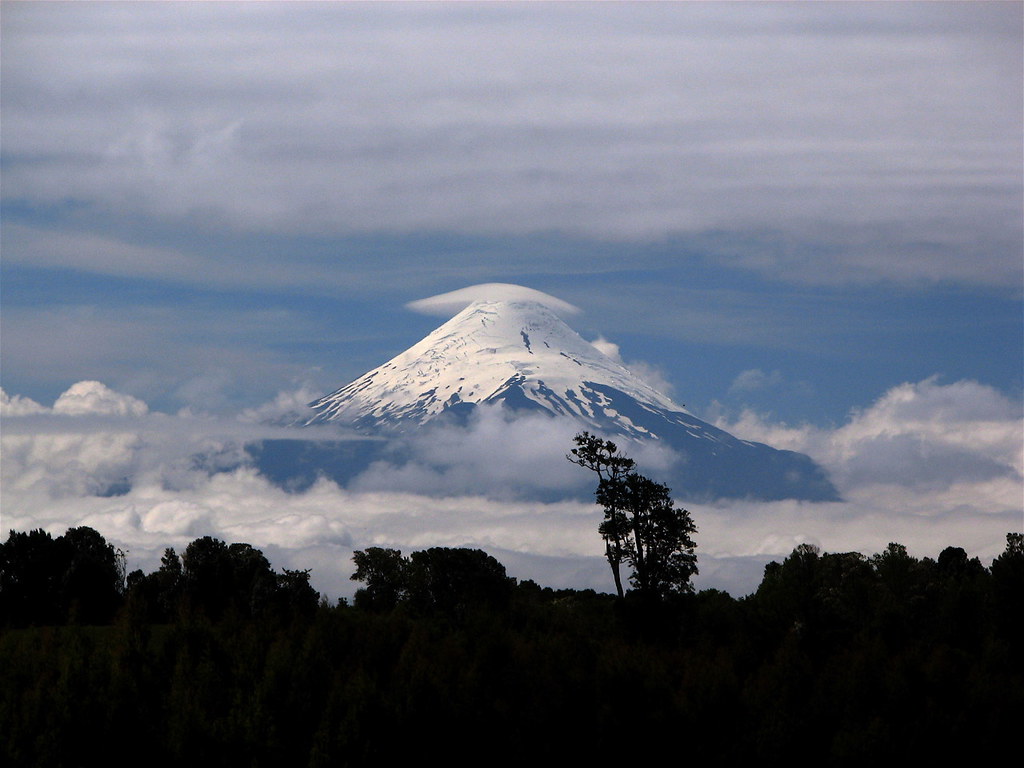
Approaching Chimborazo, the landscape unfolds into a vast Andean wilderness crowned by the snow-covered peak that holds the unique distinction of being the closest point on Earth to the sun. The air thins as you ascend, and the terrain shifts from volcanic desert to icy glaciers. The mountain’s immense presence evokes a profound sense of geological power and ancient mystery. Each step brings you closer to the summit, where the panorama stretches across Ecuador’s volcanic corridor. Reaching the crater is an emotional triumph, a moment to stand on the roof of the world and feel the pulse of the Earth beneath your feet.
Geological Background of Chimborazo
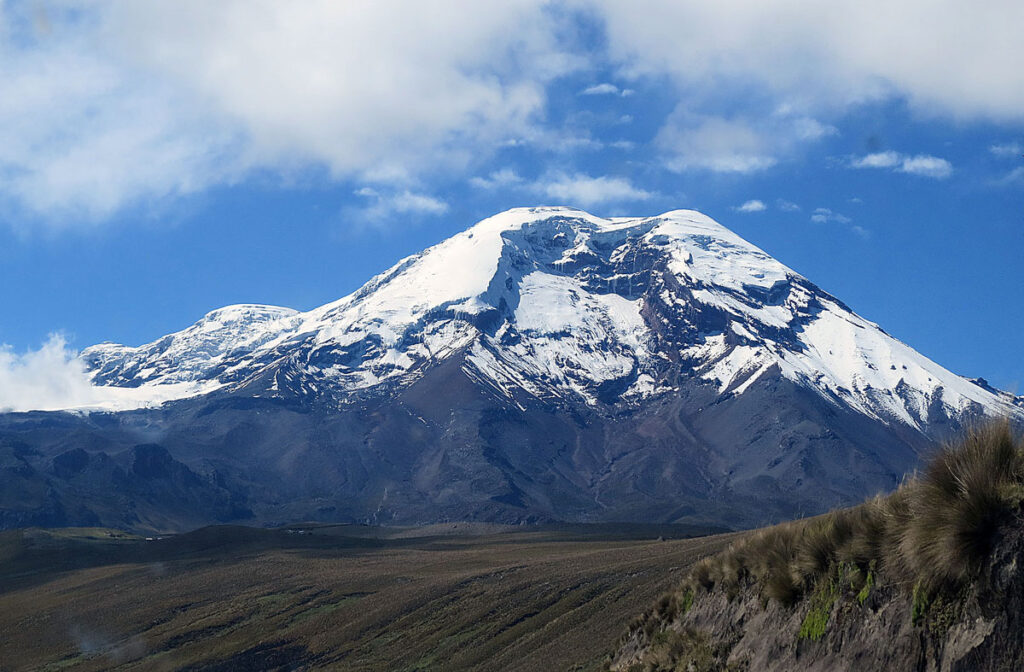
Chimborazo is a massive stratovolcano located in Ecuador’s Western Cordillera, part of the famed Avenue of the Volcanoes. Formed through successive eruptions of andesitic lava and ash, it rises to 6,268 meters, making it Ecuador’s highest peak. Its last known eruption occurred around 550 AD, classifying it as dormant but potentially active. The volcano’s summit is capped by glaciers that descend to about 4,600 meters, shaped by millennia of volcanic activity and glacial erosion. Chimborazo’s unique position on the Earth’s equatorial bulge makes its summit the farthest point from the Earth’s center, surpassing even Mount Everest. The mountain features rugged lava flows, fumaroles, and sulfur deposits, with a complex geological history that includes ancient eruptions and glacial sculpting. Indigenous cultures have revered Chimborazo as a sacred mountain, embedding it deeply in local mythology and ritual.
The Volcano Trek: Terrain and Hiking Experience
Climbing Chimborazo is a demanding technical mountaineering endeavor that tests both physical endurance and technical skill. The trek begins at lower elevations characterized by volcanic desert and alpine tundra, where hikers encounter loose volcanic scree and rocky paths. As you ascend, the terrain becomes increasingly challenging, transitioning to steep snow and ice slopes that require crampons and ice axes. The upper slopes are dominated by glaciers and icy ridges, demanding careful navigation and roped glacier travel. Altitude is a significant factor; the summit stands at 6,268 meters, where oxygen levels are drastically reduced, making acclimatization essential to avoid altitude sickness. Climbers face variable weather conditions, including strong winds, freezing temperatures, and sudden storms. The route involves traversing steep ash slopes, negotiating crevasses, and sometimes scrambling over volcanic rock. The Whymper Refuge at 5,000 meters serves as a critical acclimatization and rest point before the final summit push, which often begins at midnight to reach the peak by sunrise. The descent requires caution on loose scree and icy sections. Overall, the terrain demands technical mountaineering experience, proper equipment, and physical fitness to safely navigate Chimborazo’s complex volcanic and glacial environment.
What Makes the Chimborazo Trek Unique
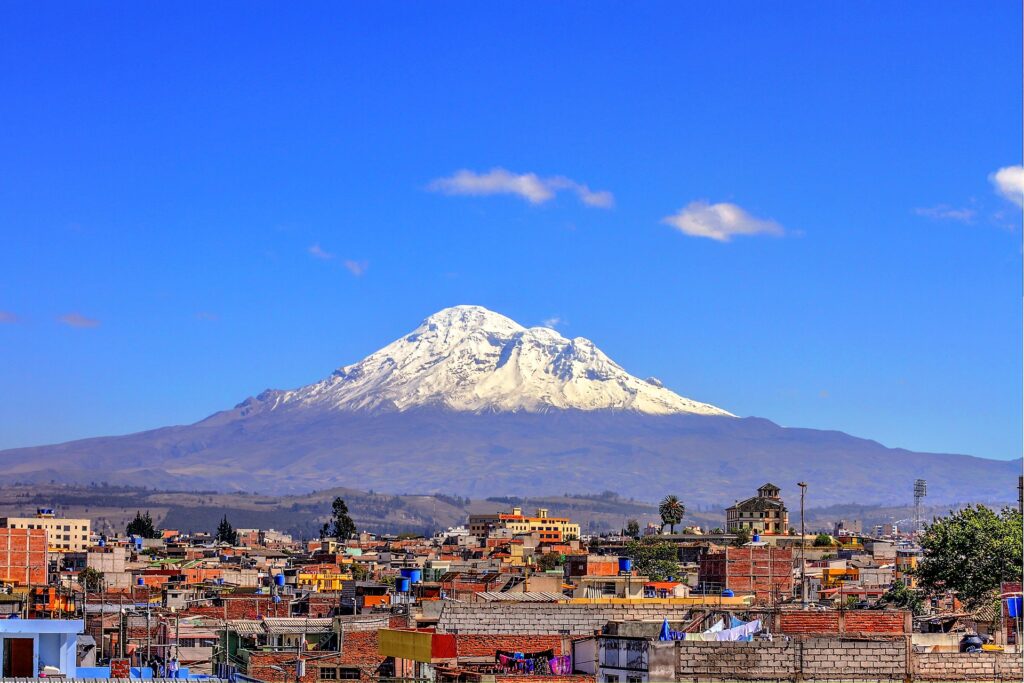
Chimborazo’s claim as the closest point on Earth to the sun due to the equatorial bulge sets it apart from all other mountains. This geographic uniqueness offers climbers a rare perspective on Earth’s shape and the solar proximity. The volcano’s glaciers, though receding, provide a dramatic icy contrast to the surrounding volcanic desert. The trek blends cultural significance, as Chimborazo is revered as Taita (Father) in Andean cosmology, with the raw physical challenge of high-altitude mountaineering. Unlike many peaks, Chimborazo’s summit offers panoramic views of multiple Andean giants, including Cotopaxi and Tungurahua. The combination of technical glacier travel, volcanic terrain, and spiritual heritage creates a singular mountaineering experience.
The Summit and Crater Experience
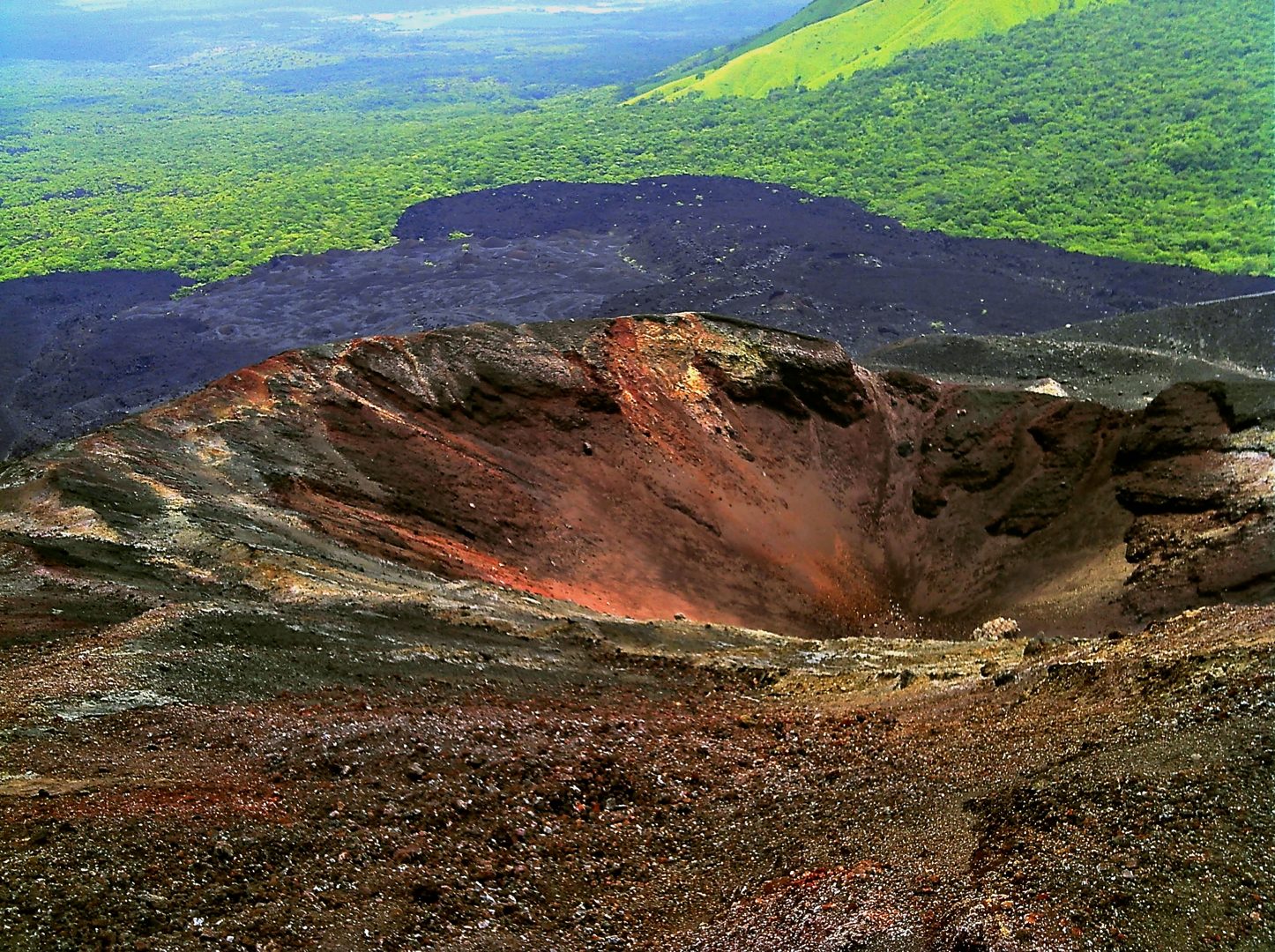
Reaching Chimborazo’s summit is a moment of profound awe. The air is thin and cold, and the panoramic views stretch across the Andes, revealing a chain of volcanic peaks under a vast sky. At the summit, climbers feel the intense proximity to the sun, a unique sensation born from the mountain’s equatorial location and elevation. The crater itself is a frozen expanse, with snow and ice fields replacing the molten lava typical of active volcanoes. The smell of cold mountain air mingles with faint traces of sulfur from fumaroles below. The silence is punctuated only by the wind and the crunch of crampons on ice. This summit experience is both a physical triumph and a spiritual encounter with the Earth’s geological forces.
Best Time to Trek Chimborazo
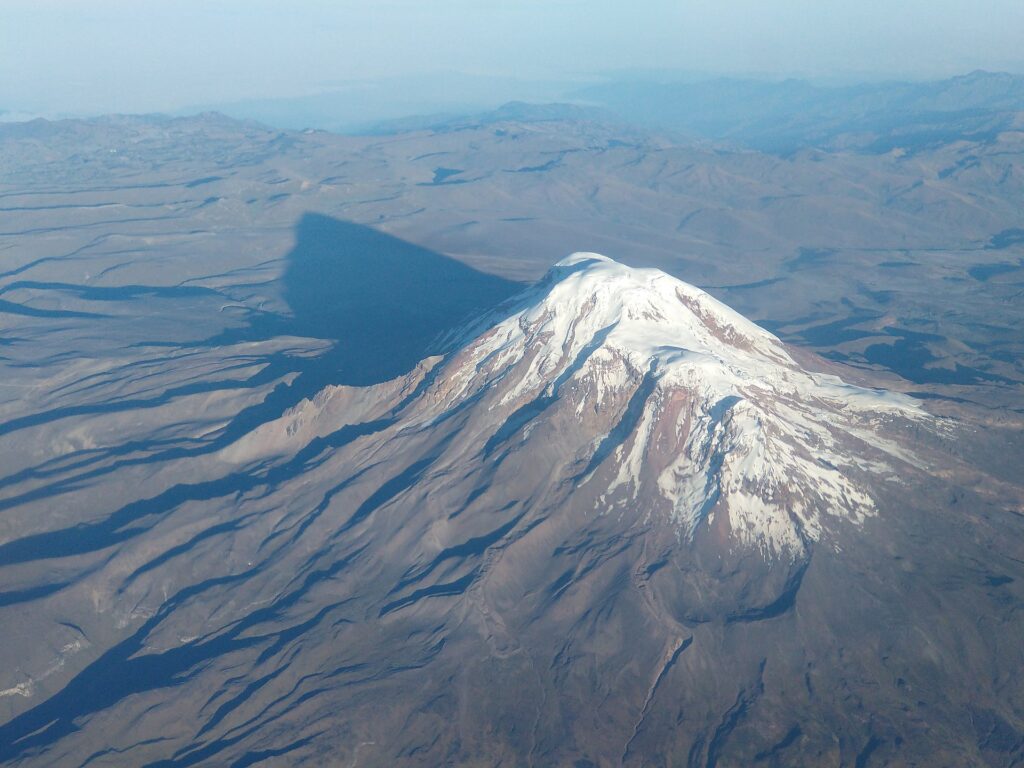
The optimal climbing seasons for Chimborazo are during the dry months of June to August and December to January, when skies are clearer and weather conditions are more stable. Early mornings provide the best visibility for summit attempts, with reduced cloud cover and calmer winds. Despite the dry season, weather on Chimborazo can be unpredictable, with sudden temperature drops, high winds, and snowstorms possible at any time. Climbers should be prepared for rapid weather changes and plan flexible itineraries. Acclimatization hikes in the days leading up to the summit are essential to mitigate altitude sickness risks. The mountain is accessible year-round, but the wet season from February to May brings increased precipitation and more challenging conditions.
Trekking Routes and Trail Options on Chimborazo
The primary route for summiting Chimborazo begins at the Carrel Refuge (4,800 meters) and ascends to the Whymper Refuge (5,000 meters), which serves as the high camp. From Whymper Refuge, climbers embark on the summit push, typically starting around midnight to reach the peak by sunrise. This route involves glacier travel, snow slopes, and technical sections requiring crampons and ice axes. The ascent to the Veintimilla Summit (6,227 meters) is an alternative for climbers seeking a slightly less demanding objective, while the Whymper Summit (6,263 meters) is the highest point. For those not attempting the summit, high-altitude treks to Condor Cocha Lagoon (4,300 meters) or the Polylepis Forest near the base offer acclimatization and stunning scenery without technical climbing. Guided tours often combine acclimatization hikes with the summit attempt over 2 to 3 days. Self-guided climbs are possible but not recommended due to the technical nature and altitude risks. Multiple local operators provide comprehensive packages including equipment rental, guides, and logistics.
Difficulty Assessment of Chimborazo Climb
Chimborazo is classified as a technical mountaineering climb requiring glacier travel skills, use of crampons, ice axes, and roped team movement. The altitude of over 6,200 meters presents significant physiological challenges, including risk of altitude sickness. The terrain includes steep snow and ice slopes, crevasses, and volcanic rock sections. Climbers must have excellent physical fitness, prior experience with high-altitude mountaineering, and the ability to navigate technical terrain safely. The climb is more demanding than typical trekking routes but less technical than extreme alpine ascents. Proper acclimatization, mental toughness, and preparation are essential for success. It is not suitable for beginners or those without mountaineering experience.
Essential Gear for Climbing Chimborazo
Key equipment includes mountaineering boots compatible with crampons, crampons, ice axes, helmets, harnesses, and ropes for glacier travel. Warm layered clothing is critical, including thermal base layers, insulated jackets, windproof and waterproof shells, gloves, and hats. Sunglasses and high-SPF sunscreen protect against intense UV radiation at altitude. A headlamp is necessary for pre-dawn summit attempts. Hydration systems and high-energy snacks support endurance. Additional gear includes glacier glasses, gaiters to keep snow out of boots, and emergency oxygen equipment available through some operators. Renting technical gear locally is common. Proper preparation and gear checks with certified guides ensure safety and comfort.
Safety and Volcanic Hazards on Chimborazo
Although Chimborazo is dormant with no recent eruptions, its glacier-covered slopes pose hazards such as crevasses, icefalls, and unstable snow conditions. Climbers face risks from altitude sickness, hypothermia, and sudden weather changes including high winds and storms. The Ecuadorian Geophysical Institute monitors volcanic activity, but climbers should remain vigilant for official warnings. Safety protocols include climbing with certified guides, using proper technical equipment, and following established routes. Unstable crater edges and falling rocks require caution. Emergency oxygen and rescue services are available but limited due to the remote location. Adequate acclimatization and physical conditioning are critical to reduce health risks.
Permits, Guides, and Logistics for Chimborazo Climbing
Climbing Chimborazo requires permits issued by Ecuadorian authorities, typically arranged through tour operators. Guided climbs are strongly recommended due to the technical nature and altitude risks. Certified guides from companies such as Guided Peaks, Ian Taylor Trekking, Ecuador Eco Adventure, ForeTravel Ecuador, and Howlanders provide comprehensive services including equipment rental, acclimatization programs, and safety briefings. Permit costs vary but generally include park entry fees and guide services. Most guided ascents are organized as 2-day trips starting from Riobamba or Machachi, with transport to base camps and refuges. Equipment such as crampons, ice axes, harnesses, and helmets are often included in packages. Climbers must carry personal gear and be prepared for cold, high-altitude conditions. Booking in advance is essential due to high demand. Local operators emphasize safety, cultural respect, and environmental responsibility. Logistics also include arranging accommodation near the trailhead and planning acclimatization hikes to optimize summit success.
Where to Stay and Nearby Bases for Chimborazo Climbs
The town of Riobamba serves as the primary gateway to Chimborazo, offering a range of accommodations from budget hostels to mid-range hotels. For a more immersive experience, Chimborazo Lodge, located at 4,000 meters in the Totorillas Valley near the Chimborazo Fauna Production Reserve, provides cozy rooms with mountain views, heating, and traditional Ecuadorian cuisine. The lodge is ideal for acclimatization and offers direct access to hiking trails. Iliniza Mountain Lodge in El Chaupi village (3,300 meters) is another popular base, known for its peaceful atmosphere and proximity to acclimatization hikes. Both lodges provide opportunities to engage with local guides and arrange climbing logistics. Facilities are rustic with limited internet connectivity, emphasizing a connection to nature. For summit attempts, climbers stay at the Whymper Refuge (5,000 meters) on the mountain, which offers basic shelter and support. Early booking is advised, especially during peak climbing seasons. Nearby villages such as Machachi and Guano also offer lodging and cultural experiences for visitors.