
Trekking El Altar Volcano: A Complete Guide to Ecuador’s Majestic Collapsed Caldera and Turquoise Crater Lake
El Altar is a spectacular extinct complex volcano in Ecuador’s Sangay National Park, offering adventurous trekkers a unique experience through rugged Andean landscapes, culminating at the stunning Laguna Amarilla crater lake surrounded by jagged peaks and glaciers. This guide covers geology, trekking routes, terrain challenges, permits, logistics, accommodations, and safety tips for exploring this remote volcanic giant.
Quick Volcano Snapshot
| Attribute | Value |
|---|---|
| Volcano type | Complex volcano |
| Elevation | 5,319 meters (17,451 feet) |
| Location | Sangay National Park, Avenue of the Volcanoes, Ecuador |
| Activity status | Extinct |
| Trekking difficulty | Moderate |
| Typical trek duration | 1 to 3 days |
| Altitude gain | Approximately 1,000 meters |
| Terrain type | Páramo grasslands, marshes, volcanic rock, glacial valleys, muddy trails |
| Best season | June to September (dry season) |
| Temperature range | 5°C to 18°C (41°F to 64°F) |
| Permit requirement | Mandatory permits and registration with Sangay National Park |
The Experience of Hiking El Altar Volcano
Approaching El Altar is like stepping into a cathedral carved by nature itself. The trek unfolds through lush valleys dotted with cascading waterfalls, ascending into the high Andean páramo where the landscape shifts to rolling grasslands and misty marshes. The air grows thinner and cooler as you near the collapsed caldera, revealing jagged peaks that frame the surreal turquoise waters of Laguna Amarilla. The contrast between the vibrant crater lake and the stark volcanic peaks evokes a profound sense of geological power and solitude. Reaching the crater’s edge, surrounded by glaciers and ancient rock formations, offers an emotional climax — a moment to reflect on the earth’s dynamic forces and the timeless beauty of this remote wilderness.
Geological Background of El Altar Volcano
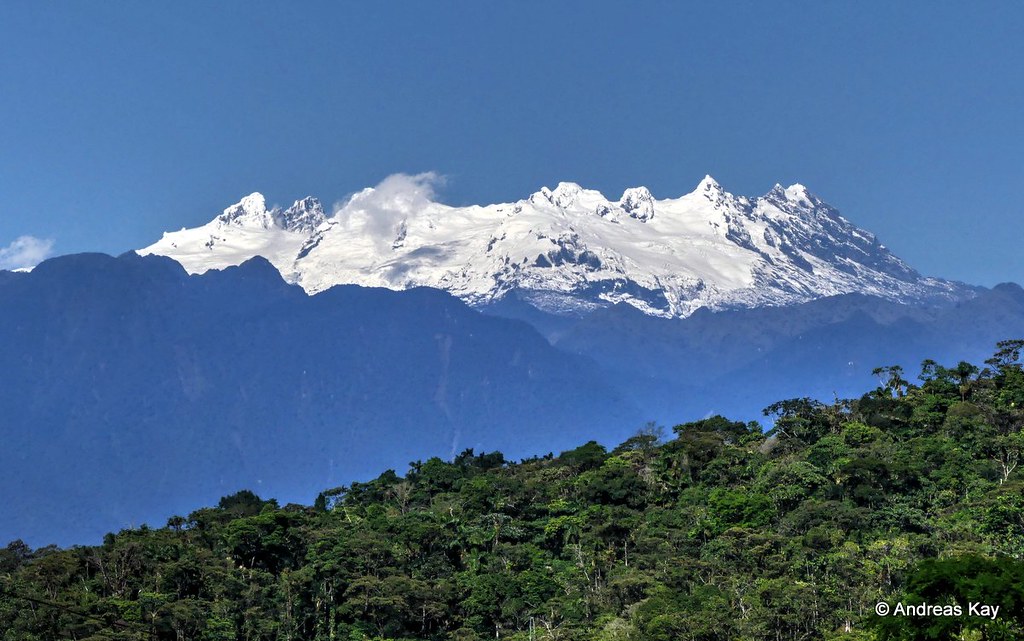
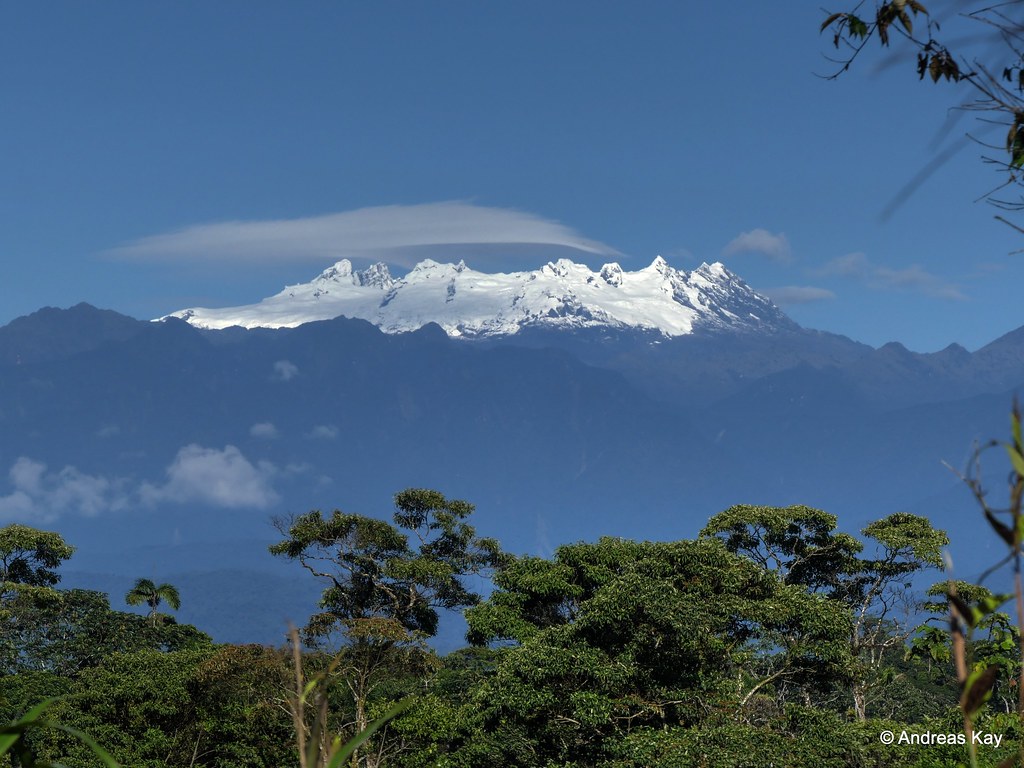
El Altar is a complex volcano located in Ecuador’s Sangay National Park, part of the Avenue of the Volcanoes in the Andes. Once a towering stratovolcano rivaling Chimborazo in height, El Altar’s summit collapsed following a massive eruption thousands of years ago. This cataclysmic event formed a horseshoe-shaped caldera surrounded by nine jagged peaks, which resemble an altar — hence its name. The caldera now hosts several glacial lakes, including the striking Laguna Amarilla, known for its turquoise-green color caused by mineral deposits and glacial meltwater. The volcano’s geology features a mix of volcanic rock, ash deposits, and glacial formations. Fumaroles and sulfur deposits are minimal due to its extinct status, but the landscape still bears the marks of intense volcanic activity and erosion. The unique combination of volcanic and glacial processes has sculpted a dramatic terrain that fascinates both geologists and trekkers alike.
Terrain and Hiking Experience on El Altar Trek
The El Altar trek offers a diverse and challenging hiking experience through some of Ecuador’s most pristine Andean landscapes. Trekkers begin at lower elevations, passing through lush green valleys and dense vegetation before entering the high-altitude páramo — a unique ecosystem characterized by tussock grasses, marshes, and scattered shrubs. The trail often becomes muddy and slippery, especially after rain, requiring sturdy waterproof boots and careful footing. As you ascend, the terrain shifts to rolling hills and marshy areas, demanding endurance and balance. Approaching the caldera, the path becomes rockier with volcanic scree and loose stones, requiring moderate scrambling skills. The altitude gain of approximately 1,000 meters challenges hikers with thinner air and cooler temperatures, making acclimatization important. Weather conditions can change rapidly, with fog, wind, and occasional rain adding to the difficulty. The trail rewards perseverance with spectacular views of cascading waterfalls, glacial valleys, and the iconic turquoise crater lake. Camping is often necessary on multi-day routes, with cold nights and misty mornings common. Overall, the terrain demands moderate fitness and hiking experience, but the stunning natural beauty and solitude make every step worthwhile.
What Makes the El Altar Trek Unique
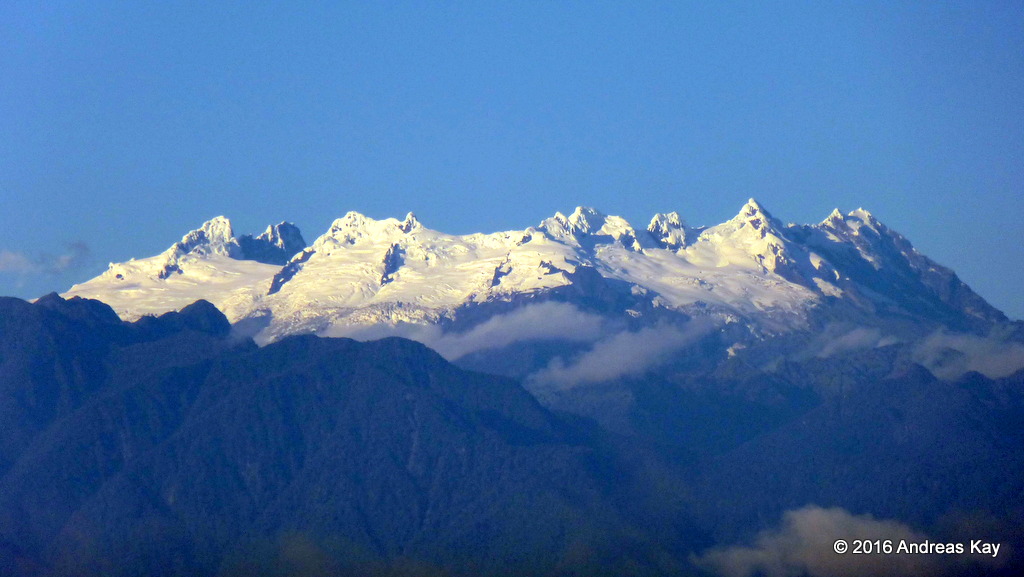
El Altar stands out among Ecuador’s volcano treks due to its dramatic collapsed caldera and the surreal turquoise Laguna Amarilla nestled within. Unlike many active volcanoes, El Altar’s extinct status allows trekkers to explore a landscape shaped by both volcanic and glacial forces, creating a rare combination of jagged peaks, hanging glaciers, and vibrant crater lakes. The horseshoe-shaped caldera with nine distinct peaks forms a natural amphitheater that is visually stunning and geologically fascinating. The trek’s remoteness ensures solitude and a deep connection with nature, far from crowded tourist routes. Additionally, the route passes through diverse ecosystems, from lush valleys to high-altitude páramo, offering rich biodiversity and spectacular waterfalls. The cultural significance of El Altar, known as Kapak Urku in Kichwa and revered by indigenous communities, adds a spiritual dimension to the journey. This blend of geological wonder, natural beauty, and cultural heritage makes the El Altar trek a truly unique adventure.
The Summit and Crater Experience at El Altar
While El Altar’s highest peak, El Obispo, is a technical climb reserved for experienced mountaineers, most trekkers aim for the caldera rim and the Laguna Amarilla crater lake. Standing at the crater’s edge, surrounded by towering jagged peaks and glaciers, is a breathtaking experience. The vibrant turquoise waters of the lake shimmer against the backdrop of snow-capped summits, creating a surreal and peaceful scene. The air is crisp and thin, carrying the faint scent of alpine flora and the coolness of glacial melt. The silence here is profound, broken only by the occasional call of Andean birds or the distant rush of waterfalls. The crater’s geology is visible in the layered volcanic rocks and ancient lava flows, telling the story of the volcano’s fiery past. This moment offers a powerful connection to the earth’s dynamic forces and a rewarding climax to the challenging trek.
Best Time to Trek El Altar Volcano
The optimal trekking season for El Altar is during Ecuador’s dry months, from June to September. During this period, trails are less muddy, and weather conditions are generally more stable, offering clearer views of the volcano and crater lake. The dry season reduces the risk of rain-induced trail hazards and makes camping more comfortable. However, temperatures remain cool, especially at higher elevations, so warm clothing is essential. Avoid the wet season from October to May, when heavy rains can make trails slippery and increase the risk of landslides. Additionally, access through Hacienda Releche is restricted on Sundays and Mondays year-round, so careful itinerary planning and permit arrangements are necessary. Early morning treks to the crater lake are recommended for the best light and to avoid afternoon cloud cover. Always check local weather forecasts and park advisories before your trek.
Trekking Routes and Trail Options at El Altar
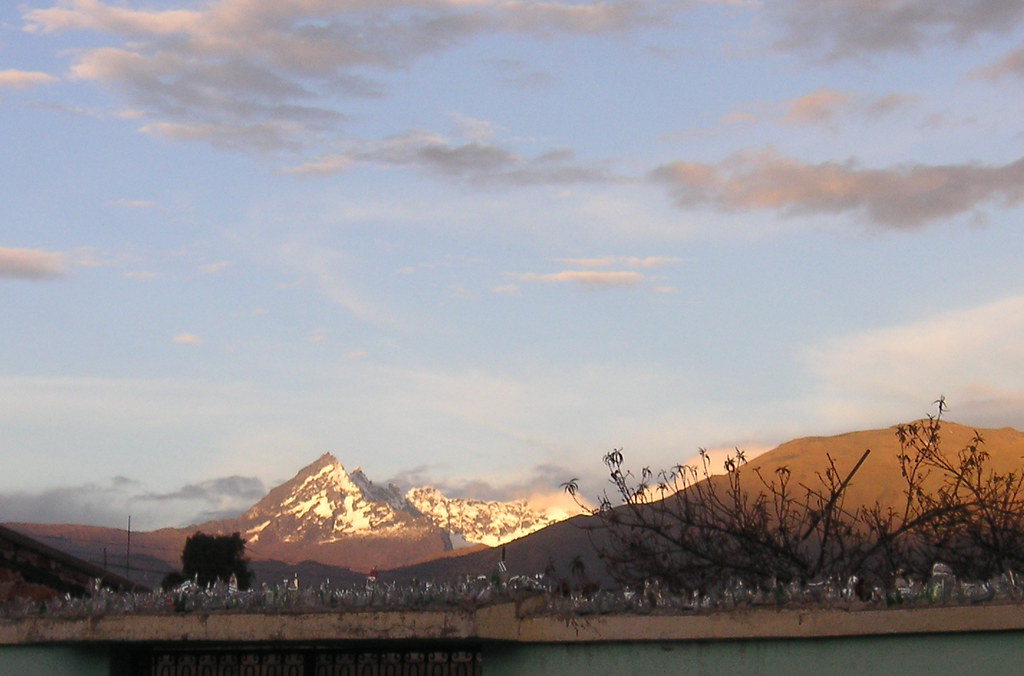
El Altar offers two primary trekking routes catering to different levels of adventure and time availability. The most popular is the Yellow Lagoon Route via Hacienda Releche. This trail starts at Hacienda Releche and winds through páramo grasslands, marshes, and rolling hills before reaching the ridge overlooking Laguna Amarilla at 4,300 meters. This route can be completed as a long day hike or as an overnight camping trip, making it accessible for moderate trekkers. Note that access through Hacienda Releche is prohibited on Sundays and Mondays, even with permits, so planning is essential. For more experienced hikers seeking a multi-day expedition, the Western Lagoons route via Bocátoma access offers a challenging 3-day trek. This path reveals the volcano’s western face and a chain of five spectacular turquoise glacial lakes: Laguna Azul, Laguna Verde, Laguna Negra, Laguna Estrellada, and Laguna Mandur. Camping is required on this route, with cold nights and misty mornings common. Both routes demand moderate fitness and provide opportunities to experience the volcano’s diverse ecosystems and dramatic landscapes. Guided tours are available for both options, enhancing safety and cultural insight.
Difficulty Assessment of El Altar Trek
El Altar is classified as a moderate volcano trek. The terrain includes muddy marshes, rolling páramo hills, rocky volcanic scree, and some scrambling near the caldera. Altitude gain is approximately 1,000 meters, with elevations reaching over 4,300 meters at the crater lake, requiring good acclimatization. The trail conditions can be slippery and challenging, especially after rain, demanding sturdy footwear and trekking poles for stability. While technical climbing is reserved for El Obispo peak, the main trekking routes do not require mountaineering skills but do require a reasonable level of fitness and endurance. Weather variability, including cold temperatures and strong winds, adds to the challenge. Overall, the trek is suitable for hikers with prior high-altitude trekking experience and moderate physical conditioning.
Essential Gear for Trekking El Altar Volcano
Successful trekking at El Altar requires gear suited to high-altitude, variable weather, and muddy terrain. Essential items include waterproof hiking boots with good grip, gaiters to protect against mud and water, and trekking poles for balance on slippery slopes. Layered clothing is vital: moisture-wicking base layers, insulating mid-layers, and a windproof and waterproof outer shell. Warm hats, gloves, and thermal socks are necessary for cold nights and mornings. A headlamp is recommended for early starts or camping. Due to the volcanic environment, sun protection with a high SPF sunscreen, sunglasses, and a wide-brimmed hat is crucial. Hydration systems or water bottles with purification tablets ensure safe drinking water. For multi-day treks, camping gear such as a sleeping bag rated for cold temperatures, a sleeping pad, and a reliable backpack are required. A basic first aid kit and personal hygiene items complete the list.
Safety and Volcanic Hazards on El Altar Trek
Although El Altar is an extinct volcano, safety considerations remain paramount. The primary hazards include unstable and slippery terrain, especially in muddy marshes and rocky scree slopes, which can lead to falls or injuries. Rapid weather changes are common, with fog, rain, and strong winds reducing visibility and increasing hypothermia risk. Altitude sickness is a concern due to elevations above 4,000 meters; proper acclimatization and hydration are essential. While volcanic gases and eruptions are not a threat here, trekkers should remain cautious near steep crater edges to avoid falls. The Sangay National Park authorities monitor environmental conditions and enforce regulations to protect the fragile ecosystem and visitor safety. Hiring licensed guides and registering with park officials enhances safety and ensures compliance with local rules.
Permits, Guides, and Logistics for El Altar Trek
Trekking El Altar requires obtaining mandatory permits and registering with Sangay National Park to protect its fragile ecosystems. Visitors must secure these permits in advance, especially for access through Hacienda Releche, where entry is prohibited on Sundays and Mondays even with permits. Working with licensed local tour operators simplifies the permit process and ensures compliance with park regulations. Notable operators include Ecuador Eco Adventures, Activexpedition, El Altar Ecuador Trekking Tours, and Andean Trails, all offering guided treks with experienced staff knowledgeable about the terrain, weather, and cultural significance of the area. These operators provide logistical support such as transportation from Riobamba or Baños, camping equipment, meals, and mule or porter services to carry heavy loads. The trek typically lasts from one to three days depending on the chosen route, with options for day hikes or multi-day expeditions. Visitors should plan for variable weather, bring appropriate gear, and consider acclimatization time. Public transport access to trailheads is available, with buses running from Riobamba to Hacienda Releche or Bocátoma. Booking through reputable operators enhances safety, enriches the experience with local insights, and supports sustainable tourism practices in this remote region.
Where to Stay and Nearby Bases for El Altar Trek
Riobamba, located approximately one hour from El Altar’s trailheads, serves as the primary base for trekkers. The city offers a range of accommodations from budget hostels to mid-range hotels such as Hotel El Altar, which provides comfortable rooms, free parking, and easy access to local services. For those seeking a more immersive experience, small lodges and haciendas near Hacienda Releche offer rustic yet charming lodging options, often including meals and local hospitality. These accommodations provide convenient early access to the Yellow Lagoon route. In Baños, another nearby town, travelers can find additional lodging and amenities, with transport connections to the trailheads. On multi-day treks, camping is common at designated refuges or campsites within the park, equipped with basic facilities. Some tour operators supply tents, sleeping pads, and cooking gear, but trekkers should confirm what is included. Staying in Riobamba or Baños allows for acclimatization, gear preparation, and cultural exploration before and after the trek. It is advisable to book accommodations and transfers in advance during peak trekking seasons to ensure availability.