Climbing Domuyo Volcano: Trekking to Patagonia’s Highest Stratovolcano with Geothermal Wonders
Domuyo Volcano, the highest peak in Patagonia at 4709 meters, offers a demanding yet rewarding trekking experience. Located in Neuquén Province, Argentina, this dormant stratovolcano features unique geothermal fields, hot springs, and rugged mountain terrain. This comprehensive guide covers the geological background, trekking routes, essential gear, safety tips, and logistics for adventurers seeking to conquer the Roof of Patagonia.
Quick Volcano Snapshot
| Attribute | Value |
|---|---|
| Volcano type | Stratovolcano |
| Elevation | 4709 m |
| Location | Neuquén Province, Argentina |
| Activity status | Dormant |
| Trekking difficulty | Demanding |
| Typical trek duration | 4-7 days |
| Altitude gain | 1400 m (summit day) |
| Terrain type | Mountain trails, volcanic rock, geothermal fields, hot springs |
| Best season | October to April |
| Temperature range | -5°C to 15°C (varies with altitude and season) |
| Permit requirement | Required; guided ascents recommended |
The Experience of Hiking Domuyo Volcano
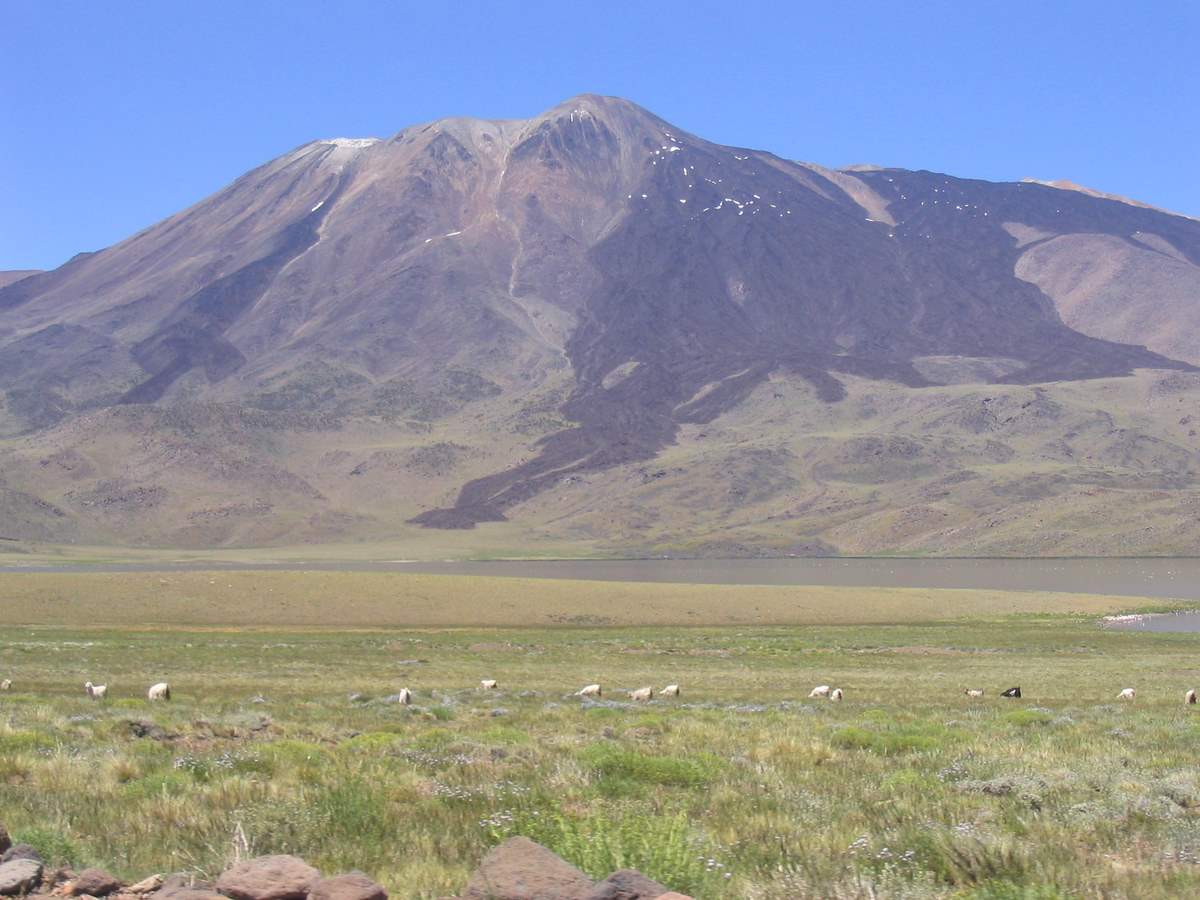
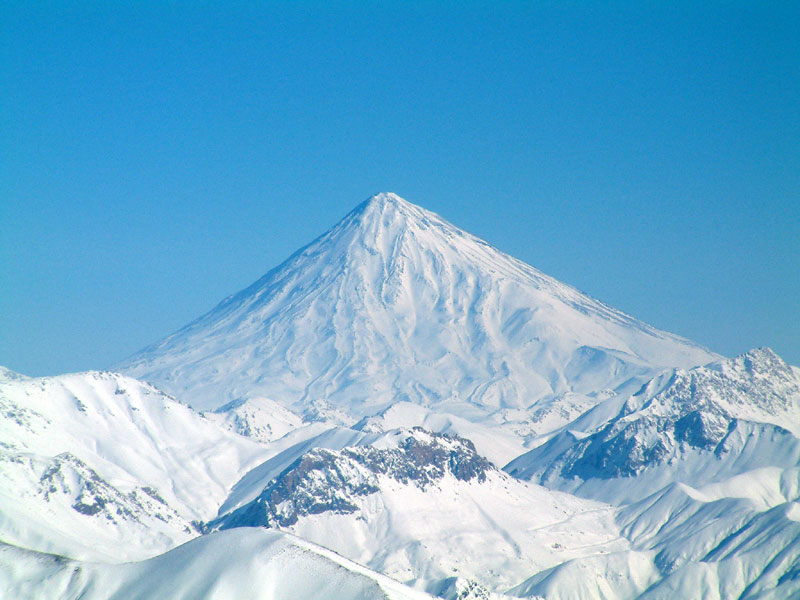
Approaching Domuyo Volcano, the highest peak in Patagonia, immerses you in a landscape of raw geological power. The towering stratovolcano rises dramatically above the Cordillera del Viento, its slopes etched with glaciers, steaming fumaroles, and bubbling hot springs. The trek challenges your endurance as you traverse rugged volcanic terrain, feeling the earth’s restless energy beneath your feet. The contrast between the barren volcanic rock and the vibrant geothermal fields creates a surreal atmosphere. Reaching the summit rewards you with panoramic views of the Andes and surrounding volcanoes, a profound moment to connect with the forces that shaped this wild region.
Geological Background of Domuyo Volcano
Domuyo Volcano is a massive stratovolcano formed during the Plio-Pleistocene epoch, making it one of the largest igneous centers in the southern Andes. Unlike typical stratovolcanoes with a central conduit, Domuyo’s structure is complex, shaped by tectonic folding and faulting along a north-south axis. Its volcanic complex includes granitic-dioritic stocks and volcanic rocks less than 300,000 years old, primarily on its western and southwestern flanks. The volcano hosts one of the world’s largest geothermal fields, with active fumaroles, geysers, and hot springs such as Rincón de la Papas and Aguas Calientes. Though no Holocene eruptions are recorded, ongoing seismic activity and hydrothermal explosions indicate a dynamic magmatic system beneath the surface.
Terrain and Hiking Experience on Domuyo Volcano
Trekking Domuyo Volcano is a demanding high-altitude adventure that tests both physical endurance and mental resilience. The ascent begins from the trailhead near El Playón at 2400 meters, progressing through a diverse volcanic landscape marked by rocky trails, steep slopes, and geothermal features. The initial stages involve gradual elevation gain through mountain valleys and ridges, with terrain composed of volcanic scree, loose rocks, and patches of snow depending on the season. As you ascend beyond 3000 meters, the trail becomes steeper and more exposed to strong Patagonian winds, requiring careful footing and stamina. The upper slopes near 4000 meters present the most challenging section, with rough volcanic rock and steep gradients up to 50 degrees. Here, technical equipment such as crampons and ice axes may be necessary during snowy or icy conditions. The trail skirts fumaroles and hot springs, offering unique geothermal sights and occasional steam vents that add to the otherworldly atmosphere. Altitude effects become noticeable, so acclimatization at intermediate camps is essential to avoid altitude sickness. The descent retraces the ascent route, allowing trekkers to slide down scree slopes and enjoy the changing light on the volcanic formations. Overall, the terrain demands good physical fitness, mountain experience, and preparation for variable weather conditions typical of Patagonia’s high mountains.
What Makes the Domuyo Volcano Trek Unique
Domuyo Volcano stands out as the highest peak in Patagonia, earning the nickname ‘Roof of Patagonia.’ Its unique combination of high-altitude volcanic terrain and extensive geothermal activity sets it apart from other volcano treks. The presence of vast geothermal fields with steaming fumaroles, geysers reaching up to two meters high, and natural hot springs like those at Aguas Calientes creates a rare volcanic environment. The trek offers panoramic views of surrounding Andean peaks, glaciers, and volcanic landscapes rarely seen elsewhere in Patagonia. The cultural richness of the region, including Mapuche heritage and rural mountain communities, adds depth to the experience. The demanding nature of the ascent, combined with the pristine wilderness and geological wonders, makes Domuyo a truly exceptional volcano trekking destination.
The Summit and Crater Experience on Domuyo Volcano
Reaching the summit of Domuyo Volcano is a moment of profound achievement and awe. At 4709 meters, the panoramic views stretch across the Cordillera del Viento and the southern Andes, revealing distant volcanoes such as Campanario, Tupungato, and Chillán. The summit ridge exposes trekkers to powerful winds and a stark, rugged volcanic landscape. Though the crater itself is not prominently active, the smell of sulfur lingers in the air from nearby fumaroles, and the ground occasionally emits warm steam. The silence at the top is punctuated only by the wind and the distant calls of Andean wildlife. This vantage point offers a rare glimpse into Patagonia’s volcanic heart, where geological forces have shaped the land over millions of years.
Best Time to Trek Domuyo Volcano
The ideal trekking season for Domuyo Volcano spans from October to April, when snow cover is minimal and access roads are generally clear. Summer months bring milder temperatures and longer daylight hours, facilitating safer and more comfortable ascents. However, weather in Patagonia is notoriously unpredictable, with sudden snowfalls possible even in summer. Winter months often render the trails and access roads impassable due to heavy snow. Early morning alpine starts are common to avoid afternoon winds and to maximize summit day success. Trekkers should monitor volcanic activity reports and local weather forecasts, as seismic activity and ground movements occasionally prompt temporary access restrictions. Guided ascents during the recommended season provide the best balance of safety and enjoyment.
Routes and Trail Options for Domuyo Volcano
The primary route to Domuyo’s summit begins near the parking area called El Playón at 2400 meters, accessible via Provincial Route 43 from Varvarco. The trail ascends gradually through the valley of the volcano, passing through diverse geological formations and geothermal sites. Trekkers typically establish a base camp around 3100 meters, followed by a higher camp near 3400 meters for acclimatization. The summit push starts in the early hours, covering approximately 1400 meters of elevation gain over 7 to 8 hours. The route is non-technical for most of the ascent but includes a steep section near 4000 meters requiring technical gear in snowy conditions. Alternative itineraries offered by local operators may extend the trek to 5 or more days, incorporating cultural visits and additional acclimatization days. Guided tours often include horse support for equipment transport and provide comprehensive logistics. Self-guided attempts are possible but require thorough preparation and knowledge of the terrain.
Difficulty Assessment of Domuyo Volcano Trek
Domuyo Volcano presents a demanding trekking challenge classified as a high-altitude mountain ascent. The trek requires excellent physical fitness due to sustained elevation gain, rugged terrain, and exposure to strong winds. While the route lacks technical climbing sections under normal conditions, the steep slopes near 4000 meters and potential snow or ice increase difficulty, necessitating crampons and ice axes. Altitude sickness is a significant risk given the summit’s elevation of 4709 meters, making acclimatization essential. The trek is suitable for experienced hikers and mountaineers with prior high-altitude exposure. Novices should consider guided expeditions with professional support. Overall, Domuyo is a demanding volcano ascent that combines endurance, altitude adaptation, and mountain skills.
Essential Gear for Trekking Domuyo Volcano
Successful ascent of Domuyo Volcano requires specialized mountain gear tailored for high-altitude and volcanic terrain. Essential items include sturdy, waterproof hiking boots with good ankle support and aggressive soles for rocky and scree surfaces. Trekking poles help maintain balance on loose volcanic rock and steep slopes. Layered clothing is critical: moisture-wicking base layers, insulating mid-layers such as fleece or down jackets, and a windproof, waterproof outer shell to protect against Patagonian winds and sudden weather changes. Technical equipment like crampons, ice axes, and helmets may be necessary for snowy or icy sections near the summit. A headlamp is essential for early alpine starts. Sun protection, including high SPF sunscreen, UV-protective sunglasses, and a wide-brimmed hat, is vital due to intense solar radiation at altitude. Hydration systems and high-energy snacks support endurance. Additionally, carrying a gas mask or respirator is advisable to mitigate exposure to volcanic gases near fumaroles. A durable backpack with sufficient capacity for multi-day expeditions, along with camping gear if self-supported, completes the essential kit.
Safety and Volcanic Hazards on Domuyo Volcano
While Domuyo Volcano is classified as dormant with no Holocene eruptions, it remains geothermally active with ongoing seismicity and hydrothermal explosions recorded in recent decades. Trekkers must be aware of hazards including unstable crater edges, fumaroles emitting sulfurous gases, and sudden ground movements causing fissures along the ascent route. The presence of loose volcanic scree and steep slopes increases the risk of falls and rockslides. Weather conditions can change rapidly, with strong winds and sudden snowfalls posing additional dangers. It is essential to monitor official volcanic activity reports from the Servicio Geológico Minero de Argentina (SEGEMAR) and adhere to local regulations. Access restrictions may be imposed temporarily due to ground instability. Guided ascents with experienced mountain leaders are strongly recommended to navigate these risks safely. Proper acclimatization and awareness of altitude sickness symptoms are critical for health and safety during the climb.
Permits, Guides, and Logistics for Domuyo Volcano Trek
Climbing Domuyo Volcano requires careful logistical planning and adherence to permit regulations. The volcano is located within a Provincial Protected Area in Neuquén Province, and visitors must obtain permits for access, typically coordinated through local authorities or tour operators. Guided ascents are highly recommended and often mandatory, especially given recent safety advisories related to ground fissures near the precumbre area. Several reputable tour operators provide comprehensive expedition packages, including Alquimia Turismo, Rumbo Norte, Andes Expediciones, Andemita Patagonia, and Explore Share. These operators offer multi-day guided treks ranging from 4 to 7 days, including transportation from nearby towns such as Varvarco or Zapala, equipment support with horse porters, high-quality camping gear, meals, and experienced mountain guides certified by UIAA standards. Permit costs vary and are generally included in tour prices, which range depending on the level of service and group size. Independent trekking is possible but requires thorough preparation, knowledge of the route, and securing permits in advance. Access roads to trailheads are mostly gravel and may require 4×4 vehicles, especially in adverse weather. The best time to organize expeditions is between October and April, avoiding winter snow closures. After the climb, many tours include a visit to the natural hot springs at Aguas Calientes for relaxation. Overall, partnering with established operators ensures safety, compliance with regulations, and a richer cultural and natural experience.
Where to Stay and Nearby Bases for Domuyo Volcano
The primary gateway towns for accessing Domuyo Volcano are Varvarco and Zapala in Neuquén Province. Varvarco, a small rural community located approximately 44 kilometers from the trailhead at El Playón, serves as the main base for expeditions. Accommodation options in Varvarco include rustic hosterías and guesthouses offering basic amenities and local hospitality. For example, several mountain lodges provide comfortable rooms, meals, and gear storage, ideal for pre- and post-trek stays. Zapala, a larger city about 90 kilometers away, offers more extensive services including hotels, restaurants, and transport connections. Many tour operators arrange transfers from Zapala or Varvarco to the trailhead using 4WD vehicles due to the rough gravel roads. At the trailhead and along the ascent, camping is the norm, with established base camps at around 3100 meters and higher camps near 3400 meters. These camps are equipped with tents provided by guiding companies, ensuring shelter in the harsh mountain environment. After the climb, the natural hot springs at Aguas Calientes, located near the volcano’s base, offer a unique accommodation and relaxation option with small lodges and thermal pools. Staying in these locations provides trekkers with access to local culture, logistical support, and the chance to unwind in geothermal waters after the demanding ascent.