
Exploring Xiloá Volcano: A Complete Trekking and Crater Lake Adventure Guide in Nicaragua
Xiloá Volcano, a dormant caldera located on Nicaragua’s Chiltepe Peninsula, offers an easy trekking experience combined with the unique opportunity to swim and snorkel in its stunning crater lake. This guide covers the volcano’s geology, hiking terrain, routes, safety, permits, accommodations, and local tour operators to help adventurers plan their visit.
Quick Volcano Snapshot
| Attribute | Value |
|---|---|
| Volcano type | Caldera |
| Elevation | Approximately 500 meters |
| Location | Chiltepe Peninsula, Nicaragua |
| Activity status | Dormant |
| Trekking difficulty | Easy |
| Typical trek duration | 2-3 hours |
| Altitude gain | Minimal |
| Terrain type | Volcanic caldera rim trails, crater lake shore |
| Best season | November to April (Dry Season) |
| Temperature range | 22°C to 30°C (72°F to 86°F) |
| Permit requirement | No formal permit required; guided tours recommended |
Introduction: The Experience of Hiking Xiloá Volcano
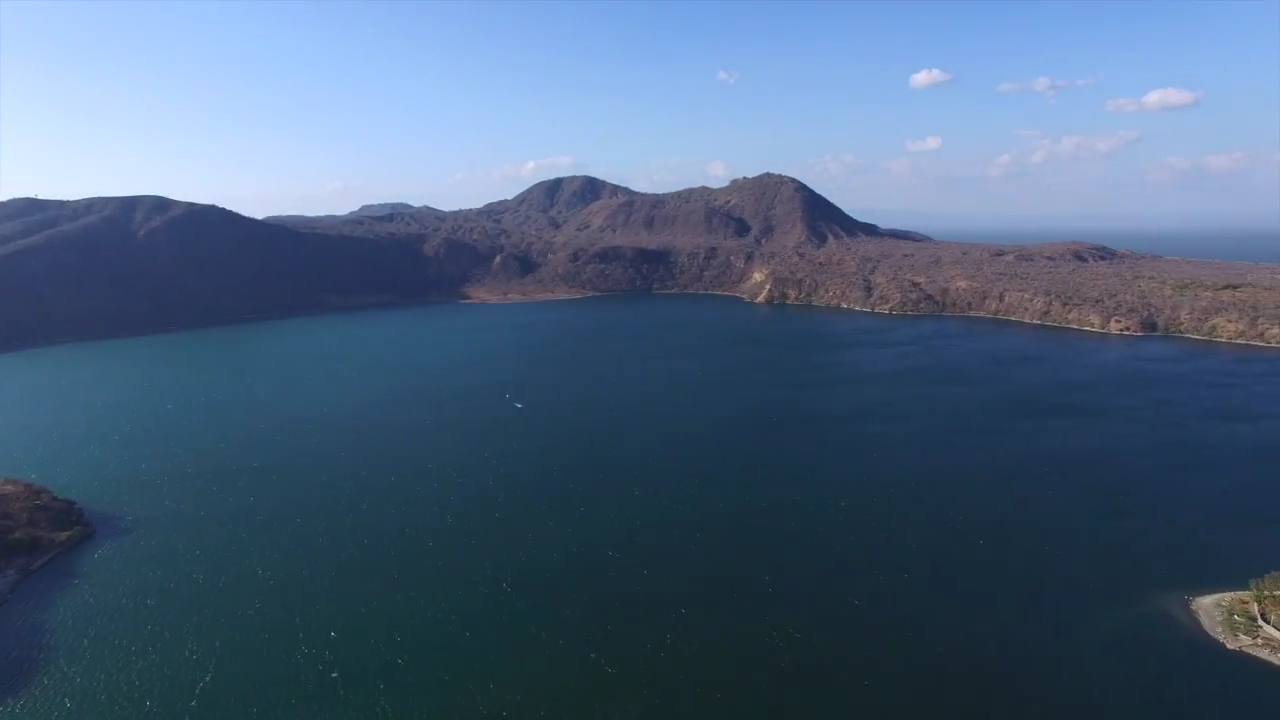
Approaching Xiloá Volcano, hikers are greeted by the serene beauty of a vast volcanic caldera nestled within the lush Chiltepe Peninsula. The dormant volcano’s gentle slopes contrast with the vibrant blue-green crater lake at its heart, inviting adventurers to explore both land and water. The hike around the caldera rim offers sweeping views of the surrounding landscapes, while the opportunity to swim and snorkel in the crater lake adds a refreshing and unique dimension to the experience. The combination of easy terrain and striking geological features makes Xiloá a captivating destination for volcano enthusiasts and casual trekkers alike.
The Volcano Itself: Geological Background
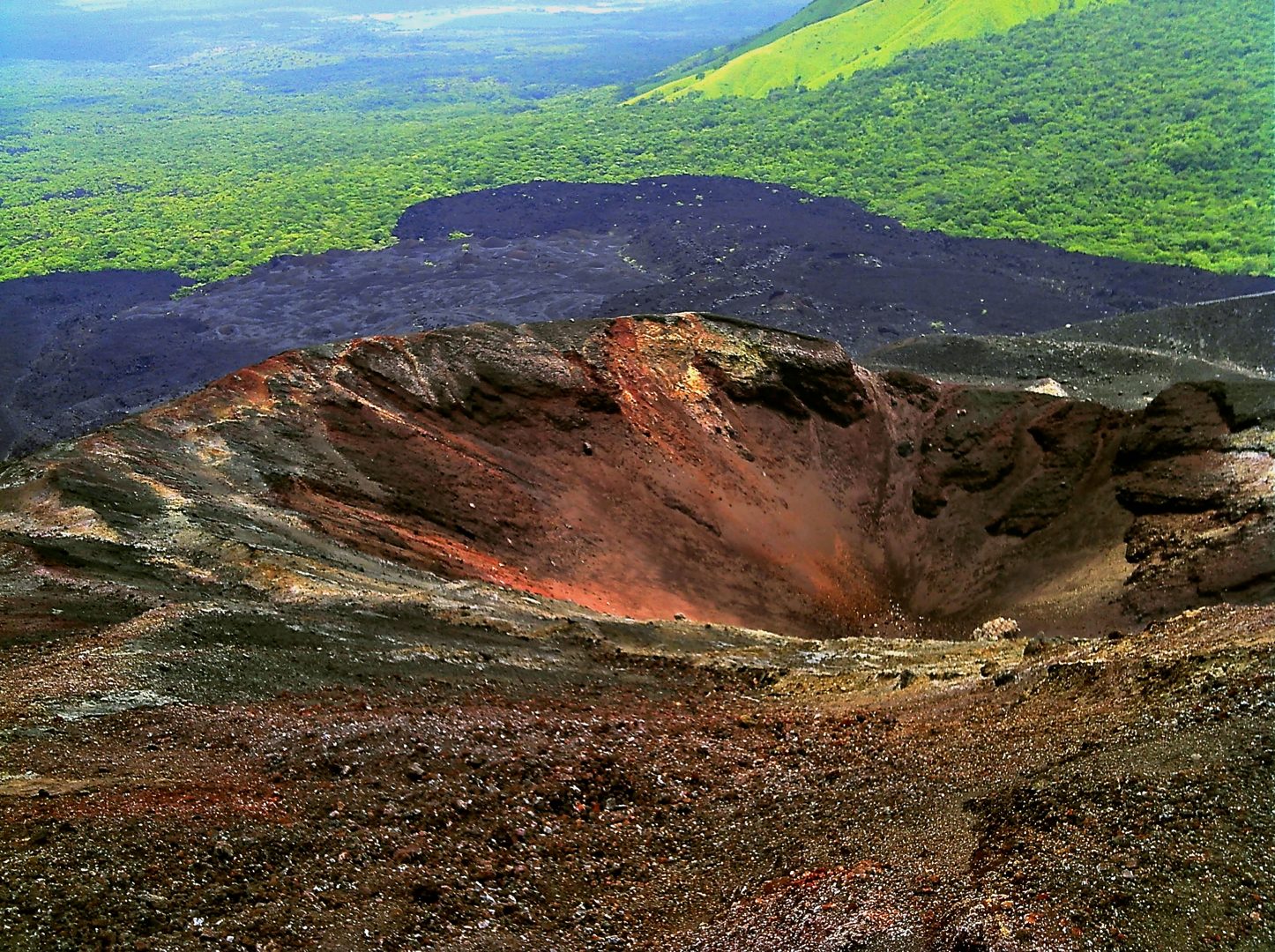
Xiloá Volcano is a caldera formed by a massive volcanic eruption that emptied the magma chamber beneath the surface, causing the ground above to collapse and create a large, basin-like depression. This geological formation is typical of calderas, which are often marked by steep walls and a central crater lake. The volcano is classified as dormant, with no recent eruptive activity, making it a safe site for exploration. The crater lake within Xiloá is a remarkable feature, formed by accumulated rainwater and groundwater, and is known for its clear waters and rich biodiversity. The volcanic rocks around the caldera include basaltic lava flows and ash deposits, which tell the story of the volcano’s fiery past. Fumaroles and sulfur deposits are minimal here, reflecting the volcano’s current inactivity.
The Volcano Trek: Terrain and Hiking Experience
The hiking experience at Xiloá Volcano is characterized by its accessibility and gentle terrain, making it suitable for hikers of all skill levels. The trails primarily follow the rim of the caldera, offering relatively flat and well-defined paths that wind through volcanic soils and sparse vegetation. Hikers will encounter volcanic rock formations, ash deposits, and patches of tropical flora that thrive in the nutrient-rich soil. The terrain is generally stable, with minimal loose scree or steep ascents, which reduces the physical demands of the trek. The altitude gain is modest, as the caldera rim sits at approximately 500 meters above sea level, minimizing the effects of altitude on hikers. Weather conditions can vary, with temperatures ranging from warm and humid during the day to cooler in the early morning and late afternoon. Winds are typically mild but can increase near the crater rim, adding a refreshing breeze. The volcanic ash and soil can be dusty, so wearing gaiters or sturdy hiking boots is advisable. The trail’s proximity to the crater lake allows hikers to pause and enjoy the unique opportunity to swim or snorkel in the calm, clear waters, a rare feature among volcano treks. Overall, the terrain and hiking conditions at Xiloá provide a rewarding yet relaxed adventure, combining geological intrigue with natural beauty.
What Makes This Volcano Trek Unique
Xiloá Volcano stands out among Nicaragua’s volcanic destinations due to its tranquil crater lake, which is popular for swimming and snorkeling. Unlike many volcano hikes that focus solely on summit views or rugged terrain, Xiloá offers a rare blend of easy hiking and aquatic adventure. The caldera’s water is clear and inviting, providing a refreshing contrast to the surrounding volcanic landscape. The volcano’s dormant status ensures a safe environment for visitors, while the rich biodiversity around the lake supports a variety of aquatic life. Additionally, the Chiltepe Peninsula’s proximity to Managua and other urban centers makes Xiloá easily accessible for day trips or short excursions. The combination of geological history, natural beauty, and recreational opportunities makes this trek a distinctive experience for travelers seeking both adventure and relaxation.
The Summit and Crater Experience
Reaching the rim of Xiloá’s caldera, hikers are rewarded with panoramic views of the crater lake’s shimmering surface, framed by the steep volcanic walls. The air carries a subtle earthy scent, mingled with the fresh aroma of surrounding vegetation. The calm waters of the lake invite visitors to cool off after the hike, with many choosing to swim or snorkel to explore the underwater volcanic formations and aquatic life. Unlike active volcanoes, the crater here is peaceful, with no fumarolic activity or sulfurous gases, allowing for a serene and contemplative atmosphere. The contrast between the rugged volcanic terrain and the placid lake creates a striking sensory experience, highlighting the power and beauty of volcanic landscapes in their dormant state.
Best Time to Trek Xiloá Volcano
The optimal time to visit Xiloá Volcano is during Nicaragua’s dry season, from November to April, when trails are less muddy and weather conditions are more predictable. During this period, hikers can expect warm temperatures ranging from 22°C to 30°C, with lower humidity and minimal rainfall. The dry season also enhances visibility, allowing for clearer views of the crater lake and surrounding landscapes. While the wet season from May to October brings lush greenery and vibrant flora, it also increases the likelihood of afternoon showers and slippery trail conditions. Early morning hikes are recommended to avoid midday heat and to enjoy the calmest water conditions for swimming and snorkeling. Visitors should monitor local weather forecasts and volcanic activity reports, although Xiloá’s dormant status means there are typically no volcanic restrictions.
Trekking Routes and Trail Options
Xiloá Volcano offers several easy and accessible routes primarily centered around the caldera rim and crater lake. The most popular trail is a loop around the caldera’s edge, which takes approximately 2 to 3 hours to complete at a leisurely pace. This route provides multiple vantage points for viewing the crater lake and surrounding volcanic formations. The trailhead is located near the small village on the Chiltepe Peninsula, with clear signage and well-maintained paths. For visitors interested in water activities, access points along the lake shore allow for swimming and snorkeling excursions. Guided tours often combine the hiking route with educational stops highlighting the volcano’s geology and local ecology. There are no technical climbing routes or steep ascents, making self-guided hikes feasible for most visitors. However, hiring a local guide through operators such as Volcano Day or Cacique Tours Nicaragua enhances the experience by providing insights into the volcano’s history and ensuring safe navigation. Alternative shorter trails are available for those seeking a brief visit, focusing on the lake’s edge and nearby viewpoints.
Difficulty Assessment
Xiloá Volcano is classified as an easy trek, suitable for beginners and families. The terrain is mostly flat to gently sloping, with well-defined trails and minimal elevation gain. The altitude is low, reducing the risk of altitude sickness. The hike does not require technical climbing skills or specialized equipment. Physical fitness requirements are modest, with most visitors completing the loop comfortably within a few hours. The primary challenges include occasional dusty or uneven volcanic soil and exposure to sun and wind along the crater rim. Proper hydration and sun protection are recommended. Overall, Xiloá provides a relaxed trekking experience that combines natural beauty with minimal physical strain.
Essential Volcano Trekking Gear
For hiking Xiloá Volcano, essential gear includes sturdy hiking boots or trail shoes with good grip to navigate volcanic soil and rocky paths. Lightweight, breathable clothing and a wide-brimmed hat provide sun protection, while a windproof jacket is useful for breezy conditions near the crater rim. Trekking poles can aid balance on uneven terrain but are not mandatory. A hydration system or water bottles are critical, especially during the dry season. For swimming and snorkeling in the crater lake, bring swimwear, snorkeling gear, and quick-dry towels. Sunscreen and insect repellent are advisable. A small daypack to carry essentials, snacks, and a camera will enhance the experience. While volcanic gases are minimal due to the volcano’s dormant status, sensitive individuals may consider a light dust mask to reduce inhalation of volcanic dust.
Safety and Volcanic Hazards
Xiloá Volcano is dormant, presenting minimal volcanic hazards to visitors. There is no active fumarolic activity or lava flow, and the risk of eruption is currently negligible. However, hikers should remain cautious of natural trail hazards such as uneven terrain, loose volcanic rocks, and sudden weather changes. The crater lake’s water is generally safe for swimming, but visitors should avoid ingesting water and be mindful of slippery shorelines. Local guides and tour operators monitor volcanic activity and weather conditions to ensure visitor safety. It is advisable to follow marked trails, avoid venturing near unstable crater edges, and heed any posted warnings. Basic first aid knowledge and carrying a small kit are recommended. Visitors should also be aware of the tropical climate, protecting themselves from sun exposure and staying hydrated throughout the trek.
Permits, Guides, and Logistics
Visiting Xiloá Volcano does not require formal permits, making it an accessible destination for independent travelers. However, engaging local guides is highly recommended to enrich the experience and ensure safety. Several reputable tour operators offer guided hikes and combined activities including swimming and snorkeling in the crater lake. Notable operators include Volcano Day, a locally owned company based in León known for its knowledgeable guides and commitment to empowering local communities; Cacique Tours Nicaragua, which offers adventure and nature tours with a focus on safety and quality; Careli Tours, emphasizing sustainable and responsible travel; and Golden Tours Nicaragua, praised for personalized service and expert guides. These operators provide transportation from nearby cities such as Managua and León, arrange equipment rentals, and offer tailored itineraries. Costs for guided tours vary but typically range from $30 to $60 USD per person, including transport and guide services. Visitors should book tours in advance, especially during the dry season, to secure availability. Self-guided visits are possible, but maps and local advice are recommended. The Chiltepe Peninsula is accessible by road, with public and private transport options available from Managua, approximately 30 kilometers away.
Where to Stay Near Xiloá Volcano
Accommodation options near Xiloá Volcano are primarily located in the nearby towns of Managua and León, both offering a range of lodging to suit different budgets and preferences. Managua, the capital city, is approximately a 45-minute drive from the Chiltepe Peninsula and features numerous hotels, hostels, and guesthouses. Popular choices include Hotel Real La Merced and Hotel Camino Real Managua, which provide comfortable amenities and easy access to transport services. León, about an hour’s drive from Xiloá, is a vibrant colonial city with a strong backpacker and adventure traveler presence. Here, visitors can find budget hostels like Hostel El Convento and mid-range hotels such as Hotel El Mirador, both offering convenient access to local tour operators. For those seeking eco-friendly or boutique accommodations, options are available in León’s historic center, combining cultural immersion with comfort. While there are no lodges directly on the Chiltepe Peninsula, day trips from these cities are common. Some local guesthouses and small inns near the peninsula provide basic amenities and a more rustic experience for travelers wanting proximity to the volcano. Amenities typically include Wi-Fi, guided tour arrangements, and transportation services. Booking in advance during peak travel seasons is advisable to ensure availability.