
Hiking Cerro Negro Volcano: Nicaragua’s Ultimate Volcano Boarding and Trekking Adventure
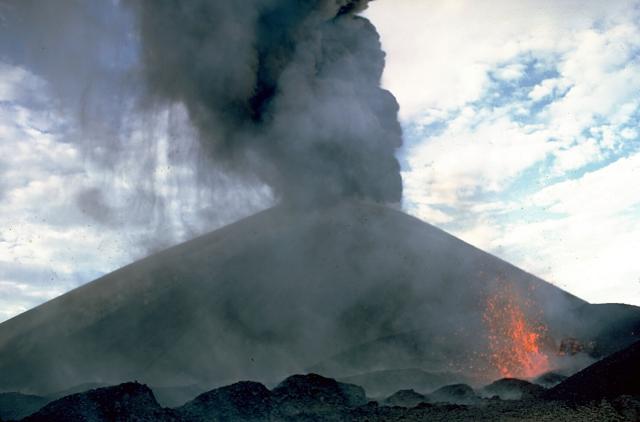
Cerro Negro, Nicaragua’s youngest and most active volcano, offers an exhilarating hiking experience combined with the unique thrill of volcano boarding. This easy trek up steep black ash slopes rewards adventurers with panoramic views of the Maribios volcanic chain and an adrenaline-pumping descent on volcanic sand.
Quick Volcano Snapshot
| Attribute | Value |
|---|---|
| Volcano type | Cinder cone |
| Elevation | 728 meters (2,388 feet) |
| Location | Western Nicaragua, near León |
| Activity status | Active |
| Trekking difficulty | Easy |
| Typical trek duration | 1 to 1.5 hours ascent |
| Altitude gain | Approximately 350 meters |
| Terrain type | Loose volcanic ash and cinder slopes |
| Best season | Dry season (December to early May) |
| Temperature range | 20°C to 30°C (68°F to 86°F) |
| Permit requirement | Park entrance fee (~$10 USD) |
The Experience of Hiking Cerro Negro Volcano
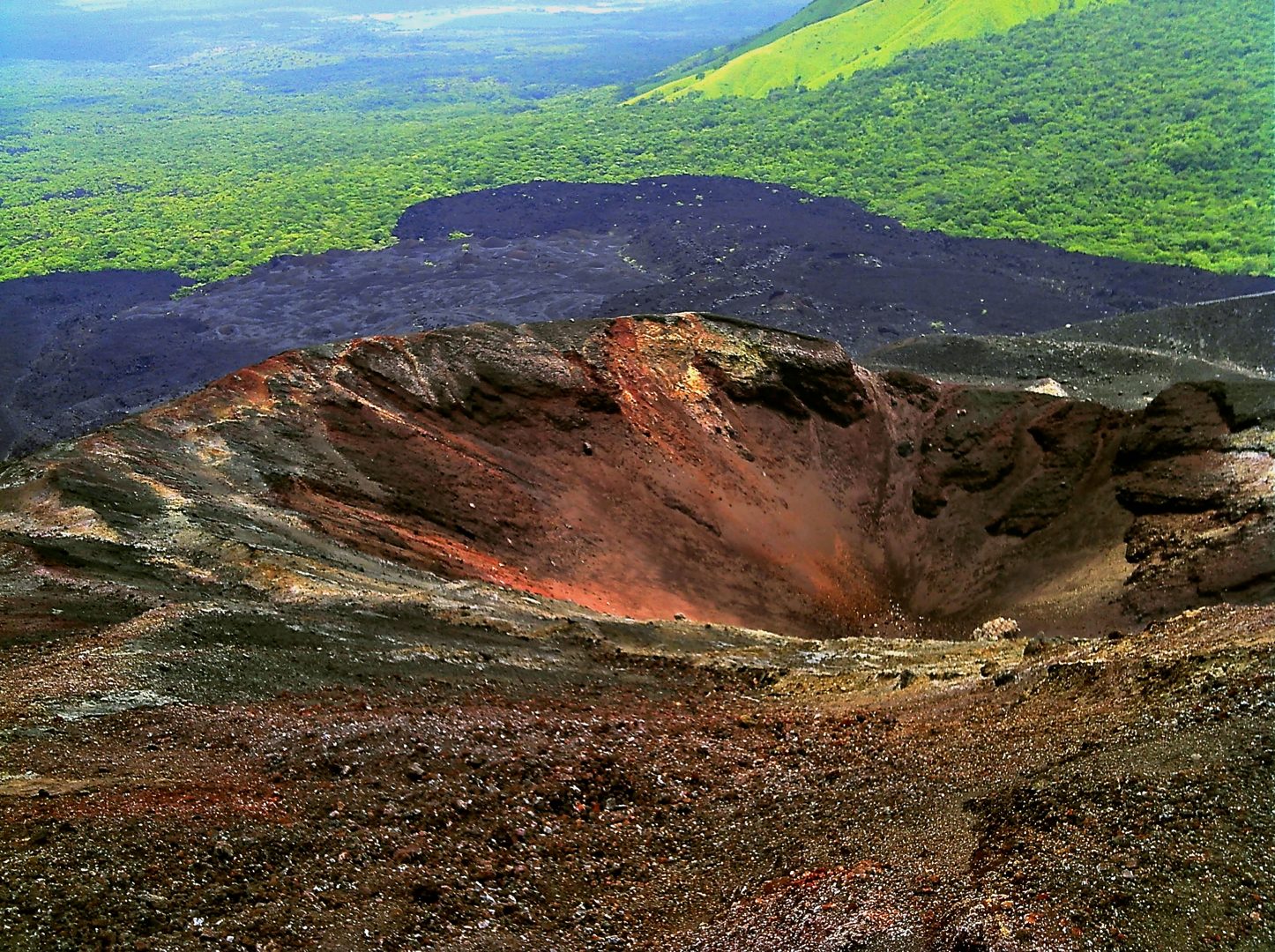
Approaching Cerro Negro, the youngest volcano in Central America, you are immediately struck by its stark black slopes contrasting vividly with the lush green landscape surrounding it. The volcanic ash underfoot shifts with each step, creating a surreal sensation of walking on a living, breathing geological marvel. As you ascend, the air grows cooler and the wind stronger, carrying faint whispers of geothermal heat from fumaroles near the summit. Reaching the crater rim, the panorama unfolds dramatically: a sweeping view of the Maribios volcanic chain, the city of León in the distance, and the vast Nicaraguan lowlands. The emotional rush of standing atop an active volcano, feeling the earth’s power beneath you, is unmatched. For many, the journey culminates in the exhilarating descent by volcano boarding, transforming the hike into an unforgettable adventure.
Geological Background of Cerro Negro Volcano
Cerro Negro is a cinder cone volcano, the youngest in Central America, having first erupted in 1850. Its formation is the result of explosive eruptions that ejected volcanic ash, lapilli, and cinders, which accumulated around the vent to create its steep, black cone. Over its relatively short geological history, Cerro Negro has erupted approximately 23 times, with the most recent eruption occurring in 1999. The volcano’s surface is covered in loose volcanic fragments, giving it a distinctive black appearance that starkly contrasts with the surrounding verdant landscape. Fumaroles and steam vents near the crater release sulfurous gases, hinting at the volcano’s ongoing activity beneath the surface. Cerro Negro’s frequent eruptions and youthful geology make it a fascinating natural laboratory for understanding volcanic processes and hazards in the Central American volcanic arc.
Terrain and Hiking Experience on Cerro Negro
The hike up Cerro Negro is a unique blend of physical challenge and geological spectacle. The trail is relatively short, typically taking between 45 minutes to 1.5 hours depending on fitness and pace, but it is steep and covered predominantly in loose volcanic ash and cinder. This terrain demands careful footing as the volcanic sand shifts beneath each step, often causing hikers to slide backward slightly, which can make the ascent feel more strenuous than the distance suggests. The slope angle averages around 30 to 40 degrees, requiring moderate fitness but no technical climbing skills. The volcanic ash is fine and powdery, and the black color absorbs heat, making the ground warm underfoot, especially during midday. Wind conditions at the summit can be strong and gusty, adding an element of exposure and requiring windproof clothing. Despite these challenges, the trail is well-marked and accessible to most hikers with basic preparation. Along the way, hikers are treated to striking contrasts between the barren black slopes and the lush green vegetation at the volcano’s base. The summit offers a surreal moonscape environment, with fumaroles emitting steam and sulfurous gases, and the crater rim providing expansive views of neighboring volcanoes such as Telica and San Cristóbal. The combination of physical effort, shifting terrain, and dramatic volcanic features creates a memorable hiking experience that appeals to both adventure seekers and geology enthusiasts.
What Makes the Cerro Negro Trek Unique
Cerro Negro stands out among volcano treks for its youthful geology and the thrilling activity of volcano boarding. Unlike many older, vegetated volcanoes, Cerro Negro’s slopes remain starkly black and barren, covered in fresh volcanic ash and cinder due to its frequent eruptions. This creates a dramatic, otherworldly landscape that feels like stepping onto another planet. The volcano boarding experience is unparalleled globally; hikers can slide down the steep ash slopes on specially designed boards, reaching speeds up to 70 km/h (43 mph). This adrenaline-fueled descent combines the exhilaration of snowboarding with the unique challenge of volcanic terrain. Additionally, the volcano’s accessibility from the city of León and the relatively easy hike make it an ideal destination for adventure travelers seeking both natural beauty and high-impact activities. The panoramic views from the summit, including the active crater and the Maribios volcanic chain, further enhance the trek’s appeal.
Summit and Crater Experience at Cerro Negro
Reaching the summit of Cerro Negro is a sensory immersion into volcanic power. The crater rim is a stark, blackened amphitheater, with loose volcanic ash and rocks underfoot. The air is tinged with the sharp scent of sulfur, and steam rises from fumaroles scattered around the crater floor, hinting at the molten forces below. The ground near these vents is warm, and occasional hissing sounds of escaping gases punctuate the silence. From this vantage point, hikers enjoy sweeping 360-degree views of the surrounding volcanic chain, the city of León, and the expansive Nicaraguan plains. The wind often whips fiercely at the summit, adding to the raw, elemental atmosphere. For many, the summit is not only a visual highlight but also an emotional one — standing on an active volcano’s edge, feeling the earth’s heat and power, is a profound experience that connects hikers to the planet’s dynamic geology.
Best Time to Trek Cerro Negro Volcano
The optimal time to hike Cerro Negro is during Nicaragua’s dry season, from December to early May. During these months, the weather is generally clear and sunny, providing excellent visibility and safer trail conditions. The dry season also means the volcanic ash remains loose and dry, ideal for both hiking and volcano boarding. Early mornings are recommended to avoid the midday heat, as the black volcanic sand absorbs sunlight and can become uncomfortably hot. The volcano is continuously monitored for activity, and access may be restricted temporarily if seismic activity increases. Avoiding the wet season (May to November) is advisable, as heavy rains can make the ash slopes slippery and more challenging to navigate. Planning your trek during the dry season maximizes safety, comfort, and the quality of the volcanic experience.
Trekking Routes and Trail Options on Cerro Negro
The primary route to Cerro Negro’s summit begins at the base near the small village accessible by dirt road from León. This trail is the only established path and is well-marked, making navigation straightforward. The ascent covers approximately 3 kilometers with an elevation gain of about 350 meters. The trail is steep and composed mainly of loose volcanic ash and cinder, requiring steady footing and moderate physical fitness. Most hikers complete the climb in 45 minutes to 1.5 hours, depending on pace and rest stops. Guided tours typically start from León, providing transportation to the trailhead and expert guidance along the route. Some operators offer private or group tours with included equipment for volcano boarding. While there are no alternative routes to the summit, hikers can choose to descend either by walking down the ash slopes or by engaging in the popular volcano boarding activity. The descent by foot is quicker and less technical but lacks the adrenaline rush of boarding. Overall, the route is accessible for most hikers and is the only official trail, ensuring a safe and rewarding experience.
Difficulty Assessment of Cerro Negro Trek
Cerro Negro is classified as an easy to moderate volcano trek. The trail is short but steep, with loose volcanic ash and cinder making footing unstable in places. No technical climbing skills or equipment are required, but hikers should have a moderate level of fitness to manage the continuous ascent and the shifting terrain. Altitude is not a significant factor, as the summit is only 728 meters above sea level. The main challenges are the steepness of the slope, the heat absorbed by the black volcanic sand, and potentially strong winds at the summit. The trail is suitable for beginners with some hiking experience and is popular among backpackers and adventure travelers. The volcano boarding descent adds an element of thrill but is optional and guided by professionals to ensure safety.
Essential Gear for Hiking Cerro Negro
Key gear for hiking Cerro Negro includes sturdy hiking boots with good grip to handle the loose volcanic ash and cinder. Trekking poles can provide additional stability on the steep, shifting terrain. Given the volcano’s exposed slopes, a windproof jacket is recommended to protect against strong gusts at the summit. Sun protection is essential: wide-brimmed hats, sunglasses, and high-SPF sunscreen shield hikers from intense solar radiation reflected off the black volcanic surface. Carrying ample water is critical due to the dry, hot conditions and lack of shade. For those planning to volcano board, tour operators provide jumpsuits, helmets, goggles, and gloves to protect against ash and abrasions. A buff or scarf is useful to cover the nose and mouth to prevent inhaling volcanic ash during the descent. A headlamp is advisable if hiking early morning or late afternoon. Overall, preparation for variable weather and volcanic terrain ensures a safe and comfortable trek.
Safety and Volcanic Hazards on Cerro Negro
While Cerro Negro is an accessible volcano, safety precautions are essential due to its active status and challenging terrain. The volcano is monitored continuously by local authorities, and access is restricted if seismic activity increases. Hikers should heed all official warnings and avoid the crater area if fumarolic activity intensifies. The loose volcanic ash and cinder create unstable footing, increasing the risk of slips and falls, especially on steep slopes. Strong winds at the summit can affect balance and increase exposure to the elements. Volcanic gases such as sulfur dioxide may be present near fumaroles; sensitive individuals should take care and consider wearing a mask if necessary. Volcano boarding, while thrilling, carries risks of abrasions and falls; using provided protective gear and following guide instructions is mandatory. Always hike with a guide or in groups, carry sufficient water, and be prepared for sudden weather changes. Emergency services are limited near the volcano, so self-sufficiency and caution are paramount.
Permits, Guides, and Logistics for Cerro Negro Trekking
Visiting Cerro Negro requires paying a park entrance fee of approximately $10 USD, which contributes to the maintenance and monitoring of the volcano. While permits are not complicated to obtain, it is highly recommended to join guided tours for safety, logistical ease, and enhanced experience. Several reputable local tour operators specialize in Cerro Negro excursions, including Volcano Day Nicaragua, Infinity Travels & Adventure, Golden Tours Nicaragua, Original Tours León Nicaragua, Green Tours Nicaragua, and El Perezoso. These companies provide comprehensive packages that include transportation from León, professional guides, entrance fees, and equipment for volcano boarding. Tours typically last 4 to 6 hours, combining the ascent, summit exploration, and the thrilling descent by board or foot. Guides offer valuable geological insights, safety briefings, and logistical support, ensuring a smooth and informative adventure. Transportation is usually provided via 4WD vehicles or private shuttles, accommodating travelers from León and nearby areas. Booking in advance is advisable during peak season (dry months) to secure availability. Independent travelers can reach the trailhead by public transport (chicken buses) from León, but should be prepared for limited signage and no on-site support. Carrying sufficient water, sun protection, and appropriate gear is essential. Overall, guided tours offer the best balance of safety, convenience, and enriched experience for Cerro Negro visitors.
Where to Stay Near Cerro Negro Volcano
León, located approximately 17 kilometers from Cerro Negro, serves as the primary base for volcano trekking and boarding excursions. The city offers a wide range of accommodations catering to different budgets and preferences. Popular options include Hotel El Convento, known for its colonial charm and central location; Hotel Los Balcones, offering comfortable amenities and easy access to tour operators; and Hostel El Callejón, favored by backpackers for its social atmosphere and affordability. Many accommodations provide shuttle services or can arrange transportation to Cerro Negro. León’s vibrant cultural scene, colonial architecture, and dining options make it an attractive place to stay before and after the volcano adventure. For travelers seeking eco-friendly lodging, several boutique hostels and guesthouses emphasize sustainability and local engagement. While there are no accommodations directly at the volcano, the short drive from León ensures easy daily access. Additionally, some tour operators offer combined packages including hotel pickup and drop-off, simplifying logistics. Staying in León also allows visitors to explore nearby attractions such as the Ruins of León Viejo and Asososca Lagoon Natural Reserve, enriching the overall travel experience.