
Hiking Ajusco Volcano: A Complete Trekking Guide to Mexico City’s Highest Peak
Ajusco Volcano, the highest point in Mexico City, offers an accessible and scenic trekking experience through pine forests and volcanic terrain. This guide covers routes, geology, logistics, safety, and accommodation options for adventurers seeking to explore this dormant stratovolcano.
Quick Volcano Snapshot
| Attribute | Value |
|---|---|
| Volcano type | Stratovolcano |
| Elevation | 3,930 m |
| Location | Mexico City Metropolitan Area, Mexico |
| Activity status | Dormant |
| Trekking difficulty | Easy |
| Typical trek duration | 5-6 hours |
| Altitude gain | 800 m |
| Terrain type | Pine and oak forests, volcanic rock, dirt trails |
| Best season | Dry season (November to April) |
| Temperature range | 5°C to 18°C |
| Permit requirement | Small park entrance fee required |
The Experience of Hiking Ajusco Volcano
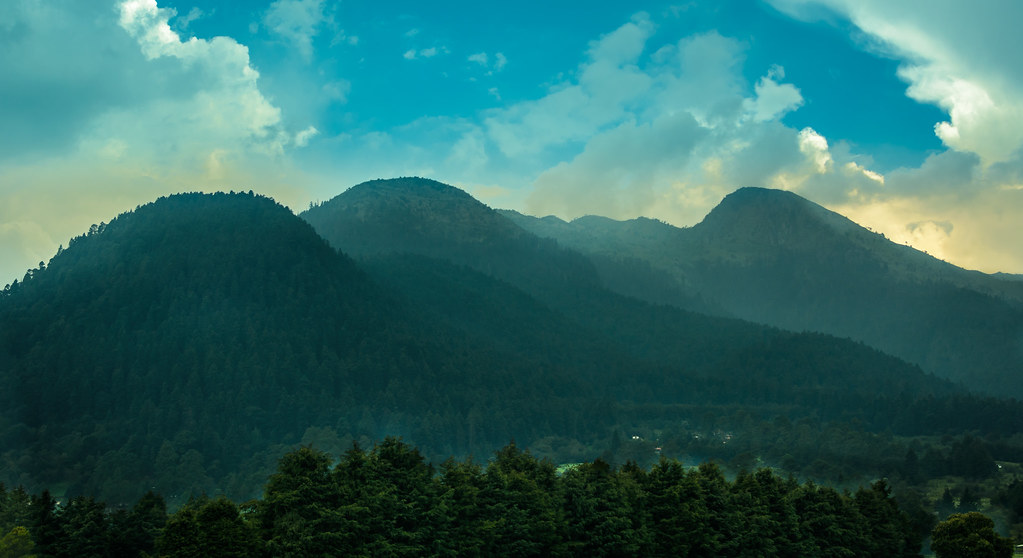
Approaching Ajusco Volcano, the highest point in Mexico City, you are greeted by a striking contrast between the urban sprawl below and the serene natural landscape above. The trail winds through dense pine and oak forests, where the fresh mountain air invigorates your senses. As you ascend, the volcanic terrain reveals its rugged beauty, with rocky outcrops and ash-laden slopes. Reaching the summit, the panoramic views of the Valley of Mexico and surrounding volcanoes like Popocatépetl and Iztaccíhuatl evoke a profound sense of geological power and accomplishment. The journey blends accessible adventure with the awe-inspiring presence of ancient volcanic forces.
Geological Background of Ajusco Volcano
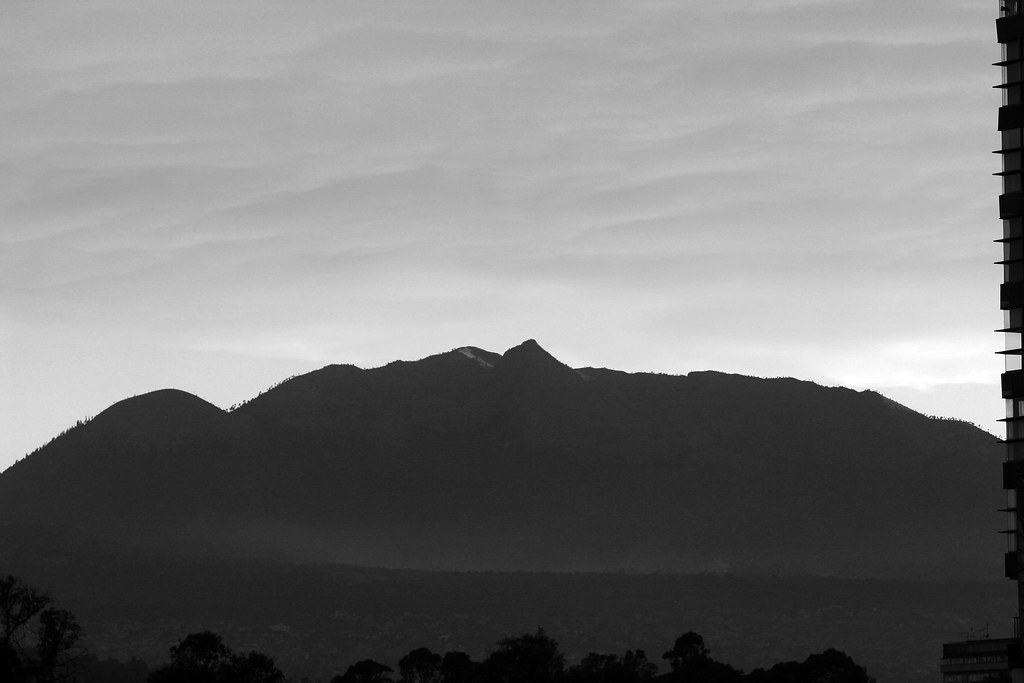
Ajusco is a dormant stratovolcano that forms part of the Chichinautzin volcanic field, a volcanic chain stretching approximately 90 kilometers south of Mexico City. Estimated to be around 52 million years old, Ajusco’s last eruption occurred roughly 1,670 years ago, marking it as geologically quiet but significant. The volcano features two prominent summits: Pico del Águila and Cruz del Marqués, rising to 3,880 and 3,930 meters respectively. Its formation involved successive lava flows and ash deposits, creating a rugged landscape of volcanic rock and fertile soils. The area is characterized by volcanic minerals and fumarolic activity in the past, contributing to the rich biodiversity and unique ecosystems found within the Cumbres del Ajusco National Park.
Terrain and Hiking Experience on Ajusco Volcano
Hiking Ajusco Volcano offers a varied terrain that combines forested trails with volcanic rock and dirt paths. The ascent begins through dense pine and oak forests, where the trail is shaded and the ground is soft underfoot, providing a comfortable start. As you gain elevation, the forest thins, revealing volcanic terrain composed of loose pumice, ash slopes, and jagged rock formations. The trail steepens gradually, challenging hikers with a steady climb that demands moderate fitness but no technical climbing skills. Near the summit, hikers encounter sections of grade 2 scrambling, requiring the use of hands for balance on rocky outcrops, especially approaching Pico del Águila. The volcanic soil and rocks can be loose and uneven, so sturdy hiking boots with good grip are essential. Weather conditions can vary, with cooler temperatures and strong winds near the summit, making layered clothing advisable. The trail is well-marked and popular, often busy on weekends and holidays, but the natural beauty and panoramic views reward the effort. Descending through the forested Barranca del Águila offers a gentler return path, allowing hikers to relax and enjoy the rich flora and fauna of the national park. Overall, the hike is accessible to most with average fitness, providing a fulfilling introduction to alpine volcanic landscapes.
What Makes the Ajusco Volcano Trek Unique
Ajusco Volcano stands out as the highest point within Mexico City’s metropolitan area, offering an extraordinary opportunity to experience alpine volcanic landscapes without leaving the urban environment. Its accessibility allows hikers to immerse themselves in nature just a short drive from the bustling city. The trek features diverse ecosystems, from dense pine and oak forests to open volcanic ridges, providing a rich natural tapestry. The summit rewards visitors with sweeping 360-degree views of the Valley of Mexico and iconic neighboring volcanoes such as Popocatépetl, Iztaccíhuatl, and Nevado de Toluca. The presence of the Espinazo del Diablo ridge adds dramatic flair to the route, while the cultural significance of Ajusco, rooted in its Nahuatl name meaning ‘place where water springs,’ enriches the experience. Additionally, the well-maintained trails and availability of local guides make it an ideal destination for both novice and experienced hikers seeking a blend of natural beauty, geological intrigue, and cultural connection.
Summit and Crater Experience on Ajusco Volcano
Reaching the summit of Ajusco Volcano, hikers are greeted by a breathtaking panorama that stretches across the Valley of Mexico. The summit at Cruz del Marqués, standing at 3,930 meters, offers unobstructed views of the sprawling city below and the majestic volcanic peaks surrounding it. The air is crisp and cool, often accompanied by a gentle breeze that carries the scent of pine and earth. From this vantage point, on clear days, one can see the towering Popocatépetl and Iztaccíhuatl volcanoes, as well as the distant Pico de Orizaba. The summit area is marked by a cross and informational signs, inviting reflection on the geological forces that shaped this landscape. While Ajusco is dormant and lacks an active crater, the volcanic terrain around the peak reveals its fiery past through rugged rock formations and volcanic soil. The sense of accomplishment and connection to the Earth’s dynamic processes makes the summit experience deeply rewarding.
Best Time to Trek Ajusco Volcano
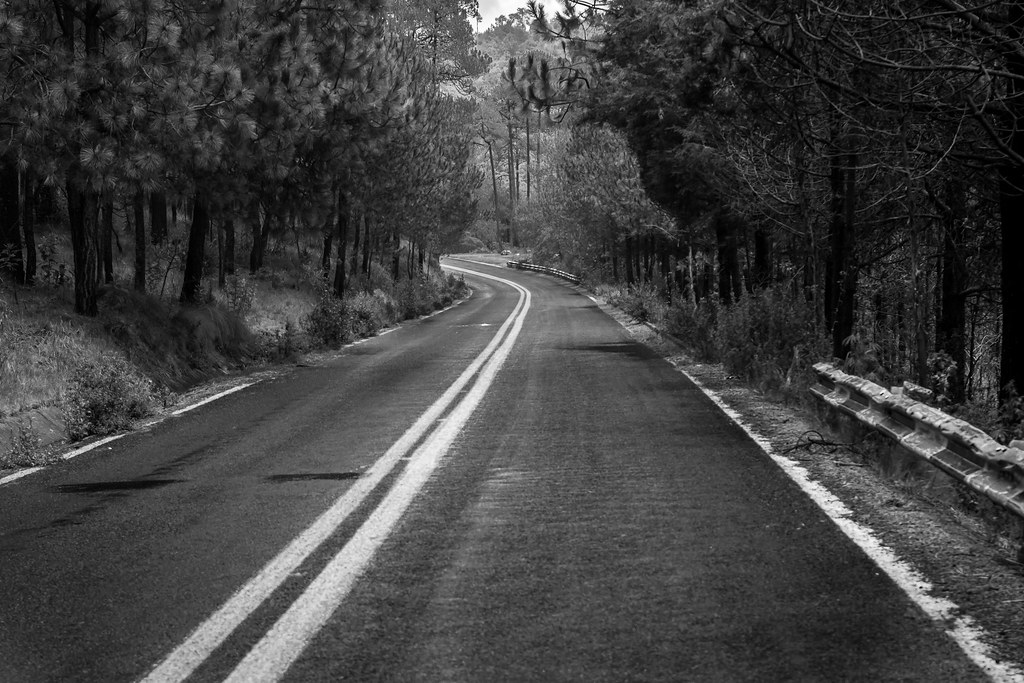
The optimal time to hike Ajusco Volcano is during the dry season, which typically runs from November through April. During these months, the trails are less muddy and weather conditions are more stable, providing safer and more enjoyable trekking. Early mornings are recommended to avoid afternoon winds and to experience cooler temperatures, especially for sunrise hikes that offer spectacular views. The wet season, from May to October, brings frequent rains and occasional fog, which can make trails slippery and reduce visibility. Winter months may see occasional snowfall at higher elevations, adding a unique but challenging element to the trek. It is advisable to check local weather forecasts and volcanic activity reports before planning your hike. Guided tours often adjust schedules based on weather and safety considerations to ensure the best experience.
Trekking Routes and Trail Options on Ajusco Volcano
Ajusco Volcano offers several well-established routes catering to different preferences and fitness levels. The classic and most popular route begins at the Albergue Alpino Ajusco, located at approximately 3,289 meters elevation. From here, hikers follow a marked trail crossing a rope bridge before ascending through forested paths toward Pico del Águila (3,880 m). This route covers about 6.8 kilometers with an elevation gain of 620 meters and includes sections of scrambling near the summit, rated as challenging but accessible to most hikers. After reaching Pico del Águila, trekkers continue south along a ridge to Cruz del Marqués (3,930 m), the highest summit. The descent typically follows the Barranca del Águila trail, a gentler forested path leading back to the trailhead. For those seeking longer or alternative routes, the Parque Ejidal de San Nicolás offers access to extended circuits encompassing both peaks and surrounding ridges. These routes vary in length and difficulty, providing options for day hikes or multi-hour excursions. Guided tours often customize itineraries to include sunrise hikes, emphasizing safety and maximizing scenic viewpoints. Trail signage is generally clear, but carrying GPS tracks or maps is recommended due to the network of intersecting paths within the national park.
Difficulty Assessment of Ajusco Volcano Trek
Ajusco Volcano is classified as an easy to moderate trek, suitable for hikers with average fitness and no technical climbing experience. The trail involves steady elevation gain of approximately 800 meters over 5 to 6 hours round trip. While the initial forested sections are gentle, the approach to Pico del Águila includes steeper slopes and short scrambling segments requiring hand support. The terrain consists of dirt paths, volcanic rock, and loose scree, demanding good balance and sturdy footwear. Altitude is a consideration, as the summit reaches nearly 4,000 meters, which may cause mild altitude effects for some hikers. The route is non-technical, with no need for specialized climbing gear, making it accessible to beginners who are prepared for moderate physical exertion. Overall, the trek is an excellent introduction to high-altitude volcano hiking with manageable challenges.
Essential Volcano Trekking Gear for Ajusco
For a safe and comfortable hike on Ajusco Volcano, essential gear includes sturdy hiking boots with good traction to navigate rocky and loose volcanic terrain. Trekking poles are recommended to aid balance and reduce strain on knees during ascent and descent. Layered clothing is important to adapt to temperature changes, including moisture-wicking base layers, insulating mid-layers, and a windproof and waterproof outer shell. A headlamp is useful for early morning or sunrise hikes. Sun protection such as a wide-brimmed hat, sunglasses, and high SPF sunscreen is necessary due to high altitude exposure and limited shade. Carry sufficient water and high-energy snacks to stay hydrated and fueled. A small first aid kit, gloves, and a beanie are advisable for colder summit conditions. While volcanic gases are minimal on this dormant volcano, sensitive individuals may consider a light dust mask. A map or GPS device is helpful for navigation, especially on less frequented trails.
Safety and Volcanic Hazards on Ajusco Volcano
Ajusco Volcano is dormant, with no recent eruptive activity, making volcanic hazards minimal compared to active volcanoes. However, hikers should remain cautious of natural risks such as loose volcanic rocks, uneven terrain, and steep slopes that can cause slips or falls. The scrambling sections near Pico del Águila require careful footing and attention to avoid injury. Weather can change rapidly at high elevations, with cold temperatures, strong winds, and sudden rainstorms possible, so preparedness is essential. Altitude sickness may affect some hikers due to the summit’s elevation near 4,000 meters; acclimatization and hydration help mitigate symptoms. While volcanic gases are not a concern here, hikers should respect park regulations and stay on marked trails to protect fragile ecosystems and ensure safety. Local guides and tour operators monitor conditions and provide safety briefings. Emergency services are accessible from Mexico City, but self-sufficiency and caution remain important.
Permits, Guides, and Logistics for Hiking Ajusco Volcano
Access to Ajusco Volcano is managed within the Cumbres del Ajusco National Park, where a small entrance fee is typically required to support conservation efforts. Permits are generally not needed for day hikes, but visitors should verify current regulations with park authorities or tour operators. Guided hikes are widely available through reputable companies such as Yacana Outdoors, Vibe Adventures, E-S Latam Adventure Guides, Adrenalina Tours, and Project Expedition. These operators provide bilingual certified guides, transportation from Mexico City, safety briefings, and equipment rental if needed. Tours often include snacks, water, and a traditional Mexican lunch at local restaurants near the trailhead. The hike duration ranges from 5 to 6 hours, with pickup times early in the morning to maximize daylight and avoid crowds. Public transportation options include buses from Mexico City to San Miguel Ajusco, followed by a short taxi ride to the trailhead, though private transfers or Uber rides are more convenient. Weather conditions and group fitness levels may influence itinerary adjustments. Booking in advance is recommended, especially on weekends and holidays when the park is busiest. Visitors should prepare for altitude and variable weather, and guides provide essential safety information and route navigation to ensure a rewarding experience.
Where to Stay Near Ajusco Volcano
Accommodation options near Ajusco Volcano cater to a range of preferences, from rustic cabins to boutique mountain lodges. The Refugio en el Ajusco offers cabins and camping facilities close to the trailhead, providing convenient access for early starts and multi-day adventures. This pet-friendly site also organizes hiking, horseback riding, and biking excursions. Hermitage Ajusco features container-style cabins with private bathrooms and terraces, ideal for visitors seeking a quiet retreat with basic comforts. For a more upscale experience, Orgánico Hotel Boutique stands out as the only mountain boutique hotel in Mexico City, offering luxurious suites with fireplaces, private terraces, spa services, and two signature restaurants serving regional cuisine. Located in San Miguel Ajusco, it provides a peaceful sanctuary surrounded by forest. Other options include Cabañas Paraiso, known for its family-friendly atmosphere, grills, and camping areas, and Oyamel Space Cabin, a rustic lodging at the foot of the nearby Xitle volcano. Most accommodations are within a 15 to 30-minute drive from the main trailheads, with parking available. Staying near Ajusco allows hikers to rest well before their trek and enjoy the natural beauty and tranquility of the national park.