
Climbing Popocatépetl Volcano: Expert Guide to Mexico’s Smoking Mountain Trek
Popocatépetl, Mexico’s second-highest and most active volcano, offers a dramatic and challenging trekking experience. Due to its ongoing volcanic activity, climbing the summit is currently prohibited, but the surrounding Iztaccíhuatl-Popocatépetl National Park provides spectacular hiking opportunities with breathtaking views of this iconic stratovolcano.
Quick Volcano Snapshot
| Attribute | Value |
|---|---|
| Volcano type | Stratovolcano |
| Elevation | 5,426 m (17,802 ft) |
| Location | Central Mexico, Mexico |
| Activity status | Active |
| Trekking difficulty | Technical mountaineering |
| Typical trek duration | N/A (Summit climb currently prohibited) |
| Altitude gain | N/A |
| Terrain type | Volcanic ash slopes, rocky lava fields, fumaroles |
| Best season | November to April (dry season) |
| Temperature range | -5°C to 15°C (at higher elevations) |
| Permit requirement | Strict permits required; summit access currently prohibited |
The Experience of Hiking Near Popocatépetl Volcano
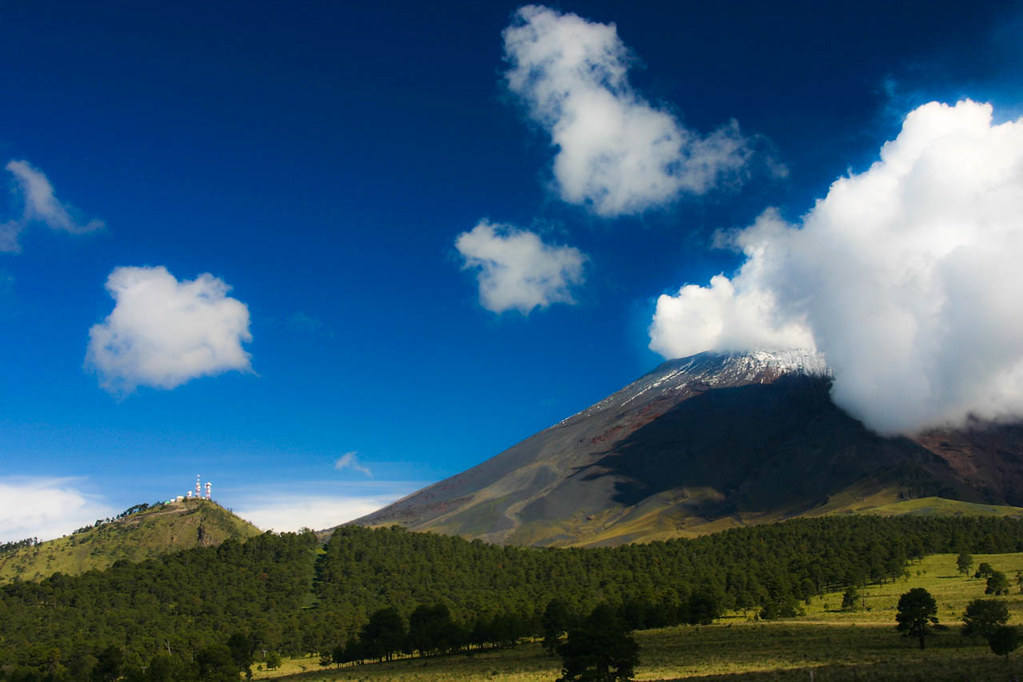
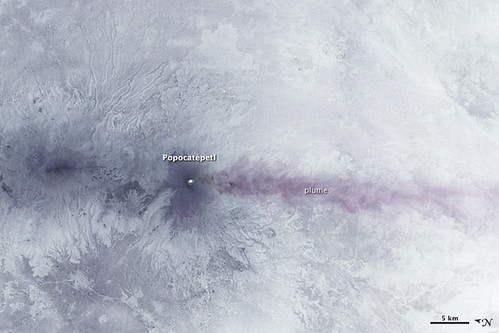
Approaching Popocatépetl, known as El Popo or the “Smoking Mountain,” is an awe-inspiring encounter with raw geological power. The towering stratovolcano dominates the skyline with its plume of smoke and ash, a constant reminder of its restless nature. The surrounding landscape is a dramatic contrast of barren volcanic rock and lush alpine forests, shaped by millennia of eruptions and glacial activity. Trekking in the vicinity offers a profound connection to the Earth’s fiery heart, where every step reveals the dynamic forces that sculpt our planet. Though the summit remains off-limits due to active eruptions, the nearby trails provide breathtaking views and a palpable sense of adventure for those drawn to volcanic landscapes.
Geological Background of Popocatépetl Volcano
Popocatépetl is a classic stratovolcano formed by layers of hardened lava, tephra, and volcanic ash. It rises to 5,426 meters, making it the second-highest peak in Mexico and one of the most active volcanoes in North America. Its name derives from the Nahuatl language, meaning “Smoking Mountain,” reflecting its persistent volcanic activity. The volcano’s formation began hundreds of thousands of years ago through subduction of the Cocos Plate beneath the North American Plate, fueling powerful eruptions that have shaped the surrounding landscape. Notable eruptions have occurred since pre-Hispanic times, with frequent activity since 1994. The summit crater is a volatile site, often emitting fumaroles, steam, and sulfurous gases. Unique geological features include extensive lava domes, pyroclastic flows, and sulfur deposits, making Popocatépetl a living laboratory of volcanic processes.
The Volcano Trek: Terrain and Hiking Experience
Trekking near Popocatépetl presents a diverse and challenging terrain shaped by its active volcanic nature. The immediate area around the volcano is characterized by rugged lava fields, steep ash slopes, and loose volcanic scree that demand careful footing and physical endurance. The volcanic ash can be powdery and unstable, making ascents slippery, while jagged lava rocks require scrambling skills. The altitude, exceeding 3,600 meters at trailheads and rising to over 5,000 meters at the summit, significantly affects oxygen availability, increasing fatigue and requiring acclimatization. Winds near the crater can be fierce and cold, with temperatures dropping below freezing at night. Trekkers experience a dramatic shift from dense pine and fir forests at lower elevations to barren alpine meadows and rocky outcrops higher up. The trails often traverse ridgelines offering panoramic views of the surrounding valleys and neighboring volcano Iztaccíhuatl. Due to ongoing volcanic activity, access within a 12-kilometer radius of the crater is strictly prohibited, limiting trekking to safer zones such as Paso de Cortés and trails on Iztaccíhuatl. Hikers should be prepared for rapidly changing weather, including sudden storms and temperature drops. The terrain demands technical mountaineering skills for any attempt near the summit, but currently, only guided hikes around the national park and on Iztaccíhuatl are permitted. The hiking experience is a blend of natural beauty, geological wonder, and the ever-present reminder of the volcano’s power, making it a compelling destination for experienced adventurers and geology enthusiasts alike.
What Makes This Volcano Trek Unique
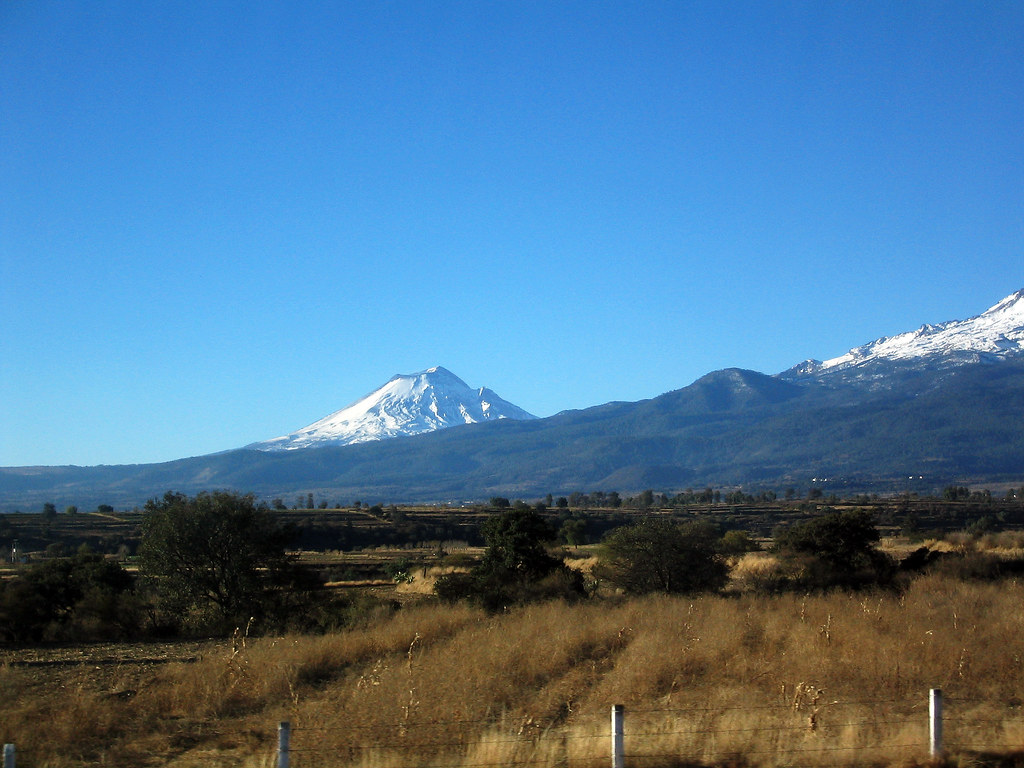
Popocatépetl stands out for its status as one of Mexico’s most active volcanoes, with frequent eruptions that continuously reshape its summit and surroundings. Unlike dormant volcano treks, hiking near Popocatépetl offers a direct encounter with a living volcano, where fumaroles and ash plumes are visible from safe vantage points. The cultural significance of Popocatépetl adds depth to the experience; it features prominently in Aztec and Nahuatl mythology as a powerful spirit. The proximity to Mexico City and Puebla allows adventurers to access a high-altitude volcanic environment without remote travel. The juxtaposition of the smoking, active Popocatépetl with the dormant, snow-capped Iztaccíhuatl creates a dramatic landscape rarely found elsewhere. The national park’s diverse ecosystems, from cloud forests to alpine meadows, enrich the trek with varied flora and fauna. The historical Paso de Cortés trail connects the volcanoes and offers a route steeped in history, where Hernán Cortés first glimpsed the Valley of Mexico. This blend of geological activity, cultural heritage, and natural beauty makes trekking near Popocatépetl a singular adventure.
The Summit and Crater Experience
While climbing Popocatépetl’s summit is currently prohibited due to active eruptions and safety concerns, the idea of standing at the edge of its smoking crater evokes a powerful image. The summit, often shrouded in steam and ash, emits a sulfurous scent that fills the air with the raw essence of volcanic activity. The heat from fumaroles can be felt even at a distance, and the sound of escaping gases creates an eerie, otherworldly atmosphere. From permitted viewpoints on nearby trails and Iztaccíhuatl’s summit, hikers can witness the dynamic crater, with its glowing vents and occasional ash plumes. The panoramic views encompass vast valleys, distant mountain ranges, and the sprawling urban centers of Mexico City and Puebla. This sensory experience—combining sight, sound, and smell—offers a profound connection to the Earth’s inner forces, a reminder of nature’s power and unpredictability.
Best Time to Trek Near Popocatépetl
The ideal trekking season near Popocatépetl is during the dry months from November to April, when weather conditions are more stable and trails are less slippery. During this period, clear skies often provide spectacular views of the volcano and surrounding landscapes. The rainy season, from May to October, brings heavy precipitation, fog, and increased risk of landslides, making hiking more hazardous. Due to Popocatépetl’s active status, volcanic activity can impose sudden restrictions; it is essential to monitor updates from Mexico’s National Center for Disaster Prevention (CENAPRED) before planning any trek. Early morning hikes are recommended to avoid afternoon storms and to experience the crisp mountain air. Seasonal hazards include volcanic ashfall, which can affect air quality and visibility, and strong winds near the summit areas. Always check local advisories and weather forecasts to ensure a safe and enjoyable trekking experience.
Trekking Routes and Trail Options Near Popocatépetl
Due to the active status of Popocatépetl, direct summit attempts are currently prohibited. However, several established trails in the Iztaccíhuatl-Popocatépetl National Park offer spectacular views of Popocatépetl from safe distances. The primary access point is Paso de Cortés, a historic mountain pass between the two volcanoes. From here, hikers can explore multiple routes: Level 1 “Alpine Trail” is an 8-9 km moderate hike between the volcanoes, leading to a scenic viewpoint ideal for photography and volcanic observation. Level 2 “Spring Water Trail” extends approximately 13 km, featuring natural waterfalls and mountain springs, offering a longer and more immersive trekking experience. Level 3 “Portillos Trail” ascends Iztaccíhuatl’s slopes, providing higher altitude views of Popocatépetl and the surrounding valleys. For experienced mountaineers, the Iztaccíhuatl summit climb is a challenging 12.2 km route with an elevation gain of about 1,337 meters, rewarding hikers with panoramic vistas including Popocatépetl’s smoking crater. Guided tours are widely available for these routes, offering safety, local knowledge, and cultural insights. Self-guided options exist but require careful preparation due to altitude and terrain challenges. All trails are well-marked within the national park, with visitor centers providing maps and information. The volcanic hazard exclusion zone around Popocatépetl extends 12 km from the crater, so all routes respect this boundary to ensure safety.
Difficulty Assessment of Trekking Near Popocatépetl
Trekking near Popocatépetl is classified as technical mountaineering when attempting summit climbs, which are currently prohibited due to volcanic activity. The terrain includes steep volcanic ash slopes, loose scree, and rugged lava fields requiring good balance and experience with high-altitude hiking. Altitude is a significant factor; trailheads start around 3,600 meters, and the summit reaches over 5,400 meters, demanding acclimatization and strong cardiovascular fitness. Weather conditions can be harsh, with cold temperatures, strong winds, and sudden storms adding to the challenge. For hikes on Iztaccíhuatl and surrounding trails, the difficulty ranges from moderate to demanding, suitable for experienced hikers with good physical condition. Beginners should consider guided tours on lower elevation trails to safely enjoy the volcanic landscape. Overall, trekking in this area requires preparation, proper gear, and respect for the mountain’s natural hazards.
Essential Volcano Trekking Gear for Popocatépetl Area
Proper gear is crucial for trekking near Popocatépetl due to the challenging terrain and variable weather. Recommended equipment includes sturdy hiking boots with excellent grip for navigating loose volcanic ash and rocky surfaces. Trekking poles help maintain balance on steep and unstable slopes. Layered clothing is essential to adapt to temperature fluctuations, including moisture-wicking base layers, insulating mid-layers, and a windproof, waterproof outer shell. Gloves and a warm hat protect against cold winds at higher elevations. A headlamp is useful for early morning or late afternoon hikes. Due to volcanic gases and ash, carrying a respirator or gas mask is advisable, especially if venturing near fumaroles or during ashfall events. Sun protection—sunglasses, sunscreen, and a wide-brimmed hat—is important as the high altitude increases UV exposure. Hydration systems and high-energy snacks support endurance. A first aid kit, map, and GPS device enhance safety. Always check current volcanic activity and weather conditions before setting out.
Safety and Volcanic Hazards Near Popocatépetl
Popocatépetl is one of Mexico’s most active volcanoes, posing significant risks to trekkers. The primary hazard is sudden eruptions, which can release ash, volcanic bombs, and toxic gases. The Mexican government enforces a 12-kilometer exclusion zone around the crater, strictly prohibiting access to protect lives. Volcanic gases such as sulfur dioxide can cause respiratory distress, especially at high altitudes. Unstable crater edges and loose volcanic debris increase the risk of falls and landslides. Weather can change rapidly, with strong winds and cold temperatures adding to the danger. Monitoring agencies like CENAPRED provide real-time updates and warnings; hikers must heed these advisories and avoid restricted areas. Emergency services and mountain police patrol the exclusion zone to enforce safety regulations. Preparation, awareness, and respect for the volcano’s power are essential for any visit to the region.
Permits, Guides, and Logistics for Trekking Near Popocatépetl
Due to Popocatépetl’s active status, climbing the volcano’s summit is currently prohibited by Mexican authorities. Access within a 12-kilometer radius of the crater is restricted to prevent exposure to volcanic hazards. Visitors interested in exploring the area can obtain permits to enter the Iztaccíhuatl-Popocatépetl National Park, which encompasses safe hiking zones around the volcano. Permits are typically included in guided tour packages offered by reputable operators such as Que Loco Tours, Vibe Adventures, Civitatis, JTG Travel, and Veronika’s Adventure. These companies provide expert bilingual guides, transportation from Mexico City or Puebla, and necessary park entry permits. Costs vary depending on group size and tour length, generally ranging from $90 to $130 USD per person for day trips. Logistics include early morning pickups, transportation to Paso de Cortés (3,600 meters), and guided hikes on trails with panoramic views of Popocatépetl. Guides ensure safety by monitoring volcanic activity updates from CENAPRED and adjusting itineraries accordingly. Independent trekking near Popocatépetl is discouraged due to safety risks and permit restrictions. Visitors should book tours in advance, prepare for high-altitude conditions, and carry appropriate gear. The surrounding towns of Amecameca and Cholula serve as logistical bases, offering accommodations and local transport options.
Where to Stay and Nearby Bases for Popocatépetl Exploration
While direct access to Popocatépetl’s summit is restricted, several nearby towns and accommodations provide excellent bases for exploring the volcano’s surroundings and the Iztaccíhuatl-Popocatépetl National Park. Amecameca de Juárez, located approximately 18 kilometers from the volcano, offers a range of lodging options including hotels, guesthouses, and hostels. Notable accommodations include Hotel Maragreens, Hiker’s Home Hostel Inn, and Centro Vacacional IMSS Atlixco-Metepec, all providing comfortable amenities and easy access to trailheads. For a more immersive nature experience, eco-lodges and rustic cabins such as La Venta Villa Ecoturística in San Mateo Ozolco and Aldea Pachamama in San Nicolás de los Ranchos offer tranquil settings surrounded by forest and mountain views. These sites feature cabins, treehouses, and communal areas with fire pits, ideal for relaxation after a day of trekking. The Magical Town of Cholula, about 20 kilometers away, is another popular base with unique accommodations like the Loft 602, which boasts spectacular volcano views and modern comforts. Many lodgings provide shuttle services or are well connected by local transport to Paso de Cortés and other trailheads. Visitors should book accommodations in advance, especially during peak trekking seasons, and consider proximity to guided tour meeting points for convenience.