

Mount Matavanu Volcano Trekking Guide: Exploring Samoa’s Historic Active Stratovolcano
Mount Matavanu, an active stratovolcano on Samoa’s Savai’i Island, offers a moderate trek through dramatic lava fields formed during its historic 1905-1911 eruption. This guide covers its geology, trekking routes, safety, permits, and accommodation options for adventurous volcano hikers.
Quick Volcano Snapshot
| Attribute | Value |
|---|---|
| Volcano type | Stratovolcano |
| Elevation | Approximately 600 feet (cone height during eruption) |
| Location | Savai'i Island, Samoa |
| Activity status | Active (last erupted 1905–1911) |
| Trekking difficulty | Moderate |
| Typical trek duration | 2-3 hours return (6 km) |
| Altitude gain | Approximately 600 feet |
| Terrain type | Lava fields, ash slopes, rainforest trails |
| Best season | June to September |
| Temperature range | Tropical island climate, typically 22°C to 30°C |
| Permit requirement | No formal permit required; local guide recommended |
Introduction: The Experience of Hiking Mount Matavanu
Approaching Mount Matavanu, hikers are greeted by a landscape shaped by raw volcanic power. The trail leads through dense tropical rainforest before emerging onto vast lava fields that tell the story of the volcano’s fiery past. The contrast between lush greenery and barren black rock creates a dramatic visual spectacle. As you ascend, the air cools and the terrain becomes rugged, with loose volcanic ash and jagged lava rocks underfoot. Reaching the crater rim, the vast bowl-shaped depression opens before you, offering breathtaking panoramic views of Savai’i’s western villages and the Pacific Ocean beyond. The emotional impact of standing on this historic volcano, once ablaze with molten lava, is profound—a testament to nature’s unstoppable force.
Geological Background of Mount Matavanu
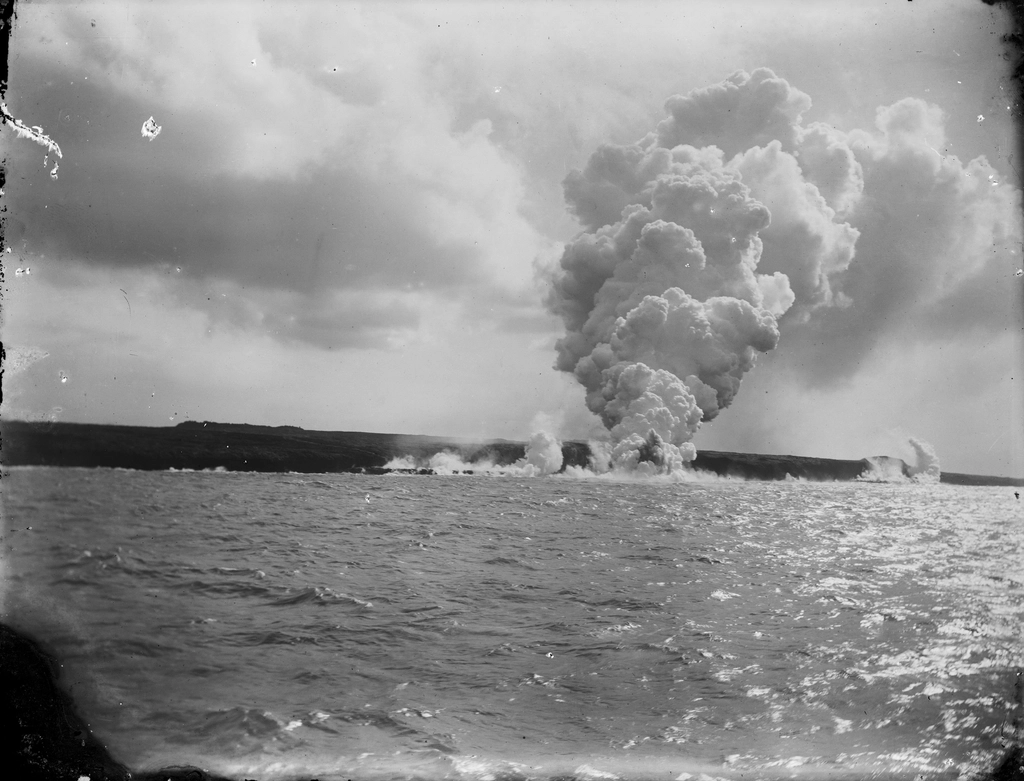
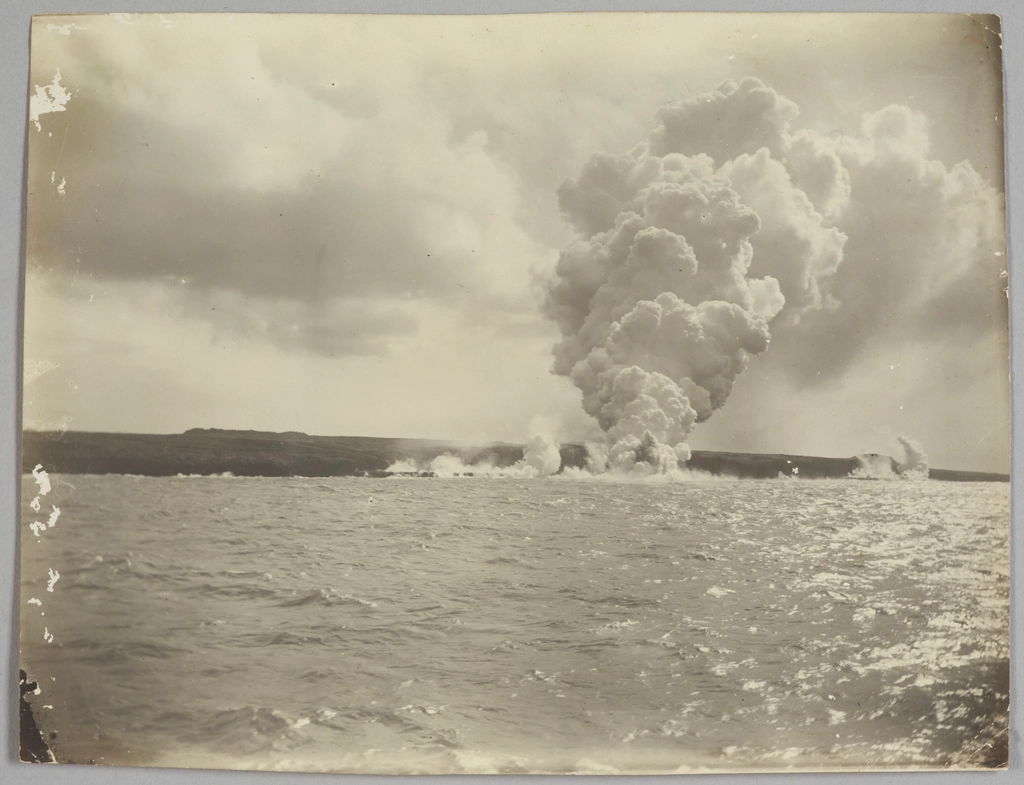
Mount Matavanu is a stratovolcano located on Samoa’s largest island, Savai’i. It was formed during a significant eruption that began in August 1905 and lasted until 1911. This eruption was one of the most dramatic volcanic events in the South Pacific during the early 20th century. The volcano’s activity reshaped the landscape, covering approximately 20 to 35 square miles with thick lava flows up to 400 feet deep. The eruption created a new crater about nine miles east of the earlier Mata o le Afi volcano. The cone grew to an estimated height of 600 feet during the eruption, featuring a lava lake within. The explosive early phase transitioned into effusive lava flows that reached the sea, destroying several villages and forcing relocations. Today, the volcano is dormant, with vegetation gradually reclaiming the crater floor, but the geological legacy remains visible in the extensive lava fields and altered topography.
The Volcano Trek: Terrain and Hiking Experience
The trek to Mount Matavanu’s crater is a moderately challenging adventure that combines tropical rainforest hiking with rugged volcanic terrain. Starting near the village of Saleaula or Safotu, the trail initially winds through dense, humid rainforest filled with towering trees, exotic plants, and occasional sightings of native wildlife such as the Samoan flying fox and Pacific boa. The path is well-marked but can be slippery and muddy, especially after rain, requiring sturdy hiking boots with good grip.
As the ascent progresses, the vegetation thins and the terrain shifts dramatically to volcanic ash slopes and jagged lava rock fields. The volcanic substrate is uneven and loose in places, demanding careful footing and moderate physical fitness. Hikers encounter steep sections where the trail climbs sharply, testing endurance and balance. The volcanic ash can be powdery and deep, making the climb physically demanding.
The lava fields, remnants of the 1905-1911 eruption, are a defining feature of the hike. These vast expanses of hardened molten rock create a surreal, lunar-like landscape. The terrain here is rough and rocky, with sharp edges and uneven surfaces that require cautious navigation. The contrast between the lush rainforest below and the stark black lava fields above is striking.
Wind conditions near the summit can be brisk, and temperatures may drop slightly compared to the base, so layered clothing is advisable. The trail culminates at the crater rim, where hikers are rewarded with expansive views of the island’s western villages and the Pacific Ocean. The crater itself is a massive bowl-shaped depression, a silent reminder of the volcano’s violent past. The hike typically takes 2 to 3 hours round trip over approximately 6 kilometers, depending on pace and rest stops.
Overall, the terrain offers a varied and immersive hiking experience, combining the challenges of tropical and volcanic environments. Trekkers should be prepared for uneven footing, steep climbs, and changing weather conditions. The trail’s moderate difficulty makes it accessible to hikers with reasonable fitness and some prior trekking experience.
What Makes the Mount Matavanu Trek Unique
Mount Matavanu’s trek stands out for its rich historical significance and dramatic volcanic landscape. Unlike many volcano hikes, this trail traverses lava fields formed during a prolonged eruption that lasted six years, reshaping the island’s geography and local communities. The visible remnants of destroyed villages and the vast lava plains offer a tangible connection to the volcano’s powerful past.
The hike also provides a rare opportunity to explore an active stratovolcano in the South Pacific, recognized as an International Geological Heritage Site by the IUGS. The combination of tropical rainforest and stark volcanic terrain creates a unique ecological and geological contrast rarely found elsewhere.
Culturally, the trek is enriched by local stories and the presence of the ‘Crater Man,’ a local guardian who maintains the trail and shares insights about the volcano’s history. This personal connection adds depth to the adventure.
The panoramic views from the crater rim encompass not only the island’s western villages but also the vast Pacific Ocean, offering a breathtaking perspective on Samoa’s natural beauty. The blend of geological wonder, cultural heritage, and scenic vistas makes the Mount Matavanu trek a distinctive and memorable experience.
The Summit and Crater Experience
Reaching the summit of Mount Matavanu is a moment of awe and reflection. The crater is a vast, bowl-shaped depression approximately 3.2 kilometers in diameter, a silent monument to the volcano’s fiery past. Standing at the rim, hikers can feel the earth’s latent heat beneath their feet, a subtle reminder of the volcano’s active nature despite its dormancy since 1911.
The air carries faint traces of sulfur, and the occasional sound of escaping gases can be heard, adding to the sensory experience. The panoramic views from the summit are spectacular, revealing the patchwork of western Savai’i villages nestled among lush greenery and the endless expanse of the Pacific Ocean.
The crater floor, now partially reforested, contrasts with the barren lava fields surrounding it, illustrating nature’s resilience. The summit offers a profound connection to the geological forces that shaped the island and a unique vantage point to appreciate Samoa’s rugged beauty.
Best Time to Trek Mount Matavanu
The ideal time to hike Mount Matavanu is during Samoa’s dry season, from June to September. During these months, the weather is generally stable with less rainfall, making the trails safer and more enjoyable. The dry conditions reduce the slipperiness of the volcanic ash and muddy rainforest paths.
Trekking outside this window, especially during the wet season, can be challenging due to heavy rains that make the trail slippery and increase the risk of falls. Additionally, volcanic gas emissions are minimal given the volcano’s dormancy, but hikers should remain aware of any local advisories.
Early morning hikes are recommended to avoid midday heat and humidity, and to experience cooler temperatures and calmer winds near the summit. Sunrise treks also offer spectacular lighting for photography and a serene atmosphere at the crater rim.
Visitors should check local weather forecasts and consult with guides or local authorities for any volcanic activity updates before planning their trek.
Trekking Routes and Trail Options
The primary route to Mount Matavanu’s crater begins near the village of Saleaula or Safotu on Savai’i’s northwest coast. From Safotu, visitors can choose to drive a 4WD vehicle approximately 20 to 25 minutes along a rugged track to the trailhead, or opt for a scenic hike starting closer to the village.
The main hiking trail covers about 6 kilometers round trip and typically takes 2 to 3 hours to complete. The path is well-marked and maintained, with moderate elevation gain of approximately 600 feet. The trail initially passes through dense rainforest before transitioning to volcanic ash slopes and lava fields near the summit.
Guided hikes are available through local tour operators such as Antilog Vacations and Stevenson’s at Manase, who provide knowledgeable guides familiar with the volcano’s history, geology, and safety considerations. These guided options often include transportation, cultural insights, and personalized support.
Self-guided trekking is possible for experienced hikers, but it is recommended to hire a local guide or consult with the ‘Crater Man,’ a local caretaker who manages the trail and offers guidance. The trail can be slippery and uneven, so proper preparation and navigation skills are essential.
Alternative routes are limited due to the rugged terrain and private land boundaries, making the main trail the preferred and safest option for most visitors.
Difficulty Assessment
Mount Matavanu’s trek is classified as a moderate volcano trek. The terrain includes steep ash slopes, uneven lava rock fields, and slippery rainforest paths, requiring a reasonable level of fitness and surefootedness. The altitude gain is moderate, approximately 600 feet, which may cause mild exertion but is not high enough to induce altitude sickness.
The trail does not require technical climbing skills or specialized equipment, but hikers should be prepared for variable footing and changing weather conditions. The volcanic ash can be loose and powdery, increasing the physical effort needed for ascent and descent.
Overall, the trek is suitable for hikers with some prior trekking experience and good physical condition. Beginners with adequate preparation and a guide can also undertake the hike safely.
Essential Volcano Trekking Gear
For hiking Mount Matavanu, essential gear includes sturdy hiking boots with good grip to handle slippery ash and rocky terrain. Trekking poles are recommended to aid balance and reduce strain on knees during steep sections.
Lightweight, breathable clothing with layers is advisable to adapt to temperature changes from the humid rainforest base to cooler summit conditions. A windproof jacket can protect against gusts near the crater rim.
Sun protection is critical due to limited shade on the upper slopes; bring a wide-brimmed hat, sunglasses, and high-SPF sunscreen. Carry sufficient water to stay hydrated throughout the 2-3 hour trek.
A headlamp or flashlight is useful for early morning or late afternoon hikes. A small first aid kit and insect repellent are also recommended. While volcanic gases are minimal, sensitive individuals may consider a lightweight respirator or mask.
Finally, a camera or smartphone is essential to capture the stunning volcanic landscapes and panoramic views.
Safety and Volcanic Hazards
While Mount Matavanu has been dormant since its last eruption in 1911, hikers should remain vigilant about potential volcanic hazards. The terrain includes unstable lava rock, loose volcanic ash, and steep slopes that can increase the risk of slips and falls. Proper footwear and cautious movement are essential.
Volcanic gases are currently minimal, but hikers with respiratory sensitivities should be cautious and monitor any unusual odors or symptoms. The crater edges can be unstable; visitors must avoid venturing too close to prevent accidents.
Weather conditions can change rapidly, with sudden rain making trails slippery and increasing the risk of hypothermia if unprepared. It is advisable to check weather forecasts and avoid trekking during heavy rain or storms.
Local authorities and geological monitoring agencies provide updates on volcanic activity. Visitors should heed any warnings or trail closures. Hiring a local guide familiar with the terrain and safety protocols enhances security.
Emergency services on Savai’i are limited; hikers should carry a communication device and inform someone of their plans before setting out.
Permits, Guides, and Logistics for Mount Matavanu Trekking
Mount Matavanu is accessible to the public without formal permit requirements, making it an attractive destination for independent trekkers. However, engaging a local guide is highly recommended for safety, navigation, and cultural enrichment.
Several local tour operators offer guided hikes to Mount Matavanu, including Antilog Vacations and Stevenson’s at Manase. These companies provide transportation from nearby villages, knowledgeable guides who share insights into the volcano’s history and geology, and assistance with trail conditions. Guided tours typically include a 4WD transfer to the trailhead, reducing the overall hiking distance and time.
The trailhead is reachable by 4WD vehicles from Safotu village, with a drive time of approximately 20 to 25 minutes on rugged roads. Visitors without their own transport can arrange transfers through tour operators or local accommodations.
There is a nominal fee collected by the local caretaker known as the ‘Crater Man,’ who maintains the trail and ensures visitor safety. This fee supports trail upkeep and local community initiatives.
Visitors should plan for a half-day excursion, allocating 2 to 3 hours for the hike plus additional time for transport and rest. It is advisable to carry sufficient water, snacks, and sun protection, as facilities along the trail are minimal.
Seasonal considerations include avoiding the wet season (November to April) when trails can be hazardous due to mud and slippery conditions. The dry season (June to September) offers the best trekking conditions.
Overall, the logistics are straightforward, with well-established local support and tour services facilitating safe and rewarding volcano trekking experiences.
Where to Stay and Nearby Bases for Mount Matavanu
Accommodations near Mount Matavanu are primarily located in the villages of Safotu, Saleaula, and the broader Savai’i Island region. These options range from budget-friendly beach fales to mid-range resorts, providing convenient access to the volcano trailhead.
Stevenson’s at Manase is a popular resort approximately 10 kilometers from Mount Matavanu. It offers comfortable bungalows, ocean views, and amenities such as guided tours, vehicle rentals, and cultural activities. The resort’s proximity to the volcano makes it an excellent base for trekkers.
In Safotu village, several guesthouses and small lodges provide authentic local experiences with basic facilities. Staying here allows easy access to the 4WD trailhead and opportunities to engage with village life.
For travelers seeking more amenities, Salelologa, the main town on Savai’i, offers hotels, guesthouses, and rental accommodations. It is about a 30-minute drive from Mount Matavanu and serves as a transport hub with ferry connections to Upolu Island.
Many accommodations offer vehicle hire services, including 4WD rentals essential for navigating the rugged roads to the volcano. Local tour operators can arrange pick-up and drop-off services from these bases.
Amenities vary from open-air traditional fales with shared facilities to air-conditioned rooms with full meal options. Some resorts host weekly cultural nights featuring traditional Samoan dance and cuisine, enriching the visitor experience.
Overall, the accommodation options near Mount Matavanu cater to a range of budgets and preferences, with the common advantage of proximity to the volcano and the natural beauty of Savai’i.

