
Mount Myoko Volcano Trekking Guide: Demanding Alpine Hike with Panoramic Summit Views in Japan
Mount Myoko, a dormant stratovolcano in Japan’s Chubu region, offers a demanding yet rewarding trekking experience. Known for its alpine flora, rugged terrain, and panoramic views, this sacred mountain is a highlight of Myoko-Togakushi Renzan National Park. Trekkers can explore historic pilgrimage routes, diverse trails, and conclude with relaxing onsen visits.
Quick Volcano Snapshot
| Attribute | Value |
|---|---|
| Volcano type | Stratovolcano |
| Elevation | 2,454 meters |
| Location | Chubu region, Japan |
| Activity status | Dormant |
| Trekking difficulty | Demanding |
| Typical trek duration | 8 to 9 hours |
| Altitude gain | Approximately 1,200 meters |
| Terrain type | Forests, alpine marshes, rocky ridges, volcanic ash slopes |
| Best season | July to mid-October |
| Temperature range | 5°C to 20°C during trekking season |
| Permit requirement | No formal permits required |
The Experience of Hiking Mount Myoko
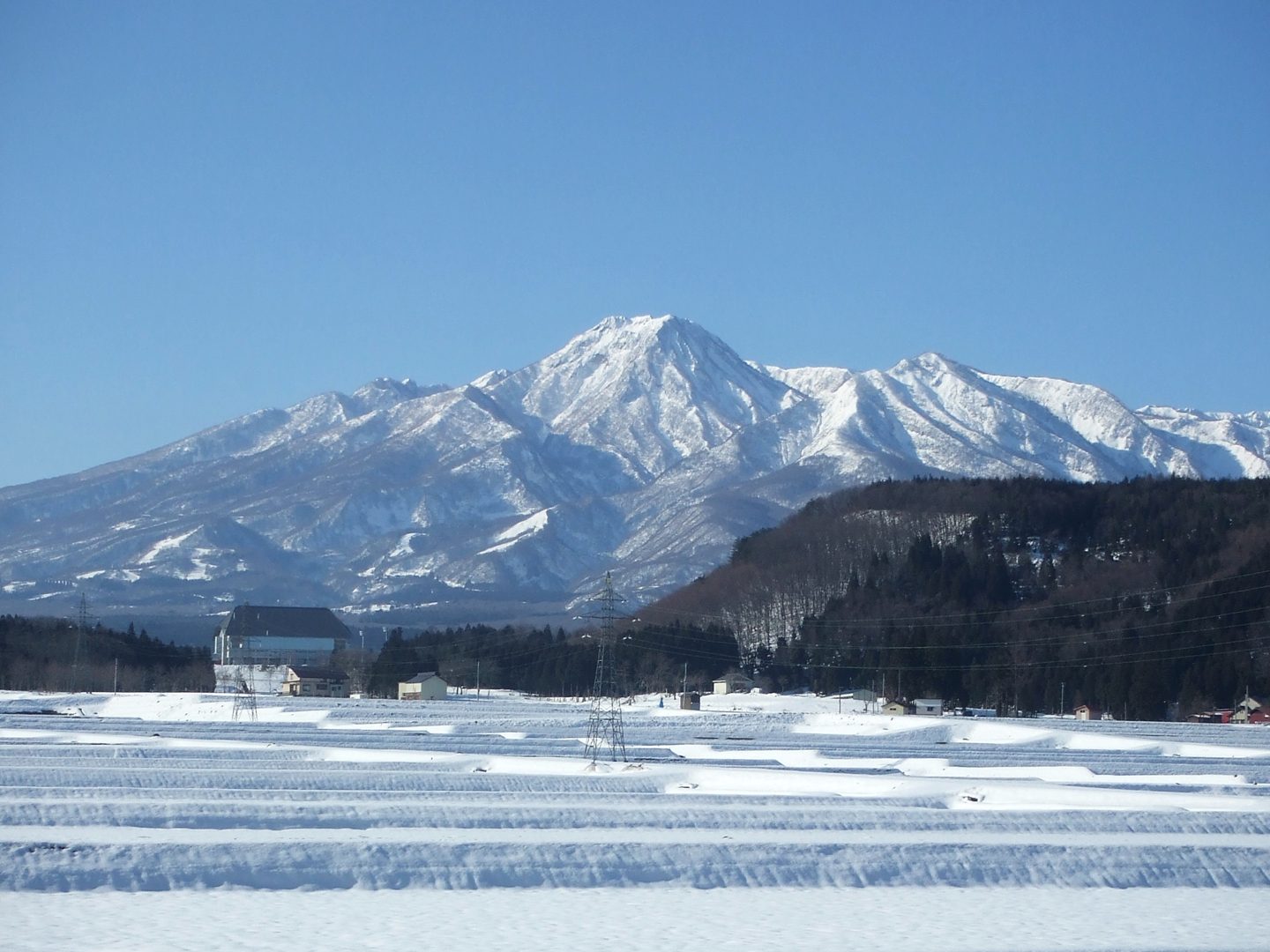
Approaching Mount Myoko, hikers are greeted by a dramatic volcanic cone rising sharply above alpine marshes and dense forests. The landscape reveals a powerful geological story, with rugged ridges and steep slopes carved by ancient eruptions. The trail winds through sacred sites and pristine nature, blending spiritual history with raw volcanic energy. Reaching the summit offers breathtaking panoramic views of the surrounding national park and distant peaks, evoking a profound sense of connection to the earth’s dynamic forces.
Geological Background of Mount Myoko
Mount Myoko is a classic stratovolcano formed through successive layers of lava flows, ash, and volcanic debris. Its formation dates back hundreds of thousands of years, shaped by multiple eruptive phases that built its steep cone. Though currently dormant, the volcano’s rugged terrain features fumaroles and sulfur deposits that hint at its fiery past. The summit area includes multiple peaks and a crater rim, with volcanic minerals enriching the soil and supporting unique alpine flora. The surrounding caldera and lava fields illustrate the mountain’s complex volcanic history, making it a fascinating destination for geology enthusiasts. The volcanic activity that shaped Mount Myoko contributed to the diverse landscapes seen today, including steep ridges and fertile soils that sustain a variety of plant species. Its geological features provide insight into the tectonic processes active in the region and the evolution of stratovolcanoes in Japan.
Terrain and Hiking Experience on Mount Myoko
The trek up Mount Myoko is a demanding journey through varied and challenging terrain that tests both physical endurance and technical hiking skills. Starting from popular trailheads such as Sasagamine or Akakura Onsen, hikers first navigate dense forests dominated by Japanese beech and birch trees. These sections often feature steep, root-covered paths that require careful footing, especially after rain. As the trail ascends, the landscape transitions into expansive alpine marshes like Kurosawa, a unique ecosystem characterized by wetland plants and vibrant summer flora. This area provides a serene contrast to the rugged volcanic slopes ahead. Beyond the marshes, the ascent becomes steeper and more strenuous, with hikers encountering loose volcanic ash slopes and rocky ridges. These sections demand sure-footedness and occasional scrambling over unstable volcanic rock. In some exposed areas, ropes and chains are installed to assist climbers in safely negotiating steep faces. Weather conditions near the summit can be unpredictable, with sudden temperature drops, strong winds, and occasional fog reducing visibility. The altitude gain of approximately 1,200 meters adds to the physical challenge, requiring good cardiovascular fitness and acclimatization. Along the route, trekkers are rewarded with diverse natural features including cascading waterfalls, tranquil ponds, and culturally significant shrines that reflect the mountain’s spiritual heritage. The descent offers options such as returning via a different trail or using the Sky Cable gondola from Shin-Akakura, which provides a less taxing alternative for tired legs. Overall, the hike combines technical alpine sections with peaceful natural environments, making it a comprehensive and memorable volcanic trekking experience.
What Makes the Mount Myoko Trek Unique
Mount Myoko stands out for its remarkable blend of volcanic grandeur and rich cultural heritage. Unlike many volcano treks, it features expansive alpine marshes that bloom with diverse flora during the summer months, creating a vivid contrast against the stark volcanic rock. The mountain holds sacred significance, historically serving as a pilgrimage site for Shugendo practitioners, which adds a spiritual dimension to the hiking experience. Along the trails, trekkers encounter ancient shrines, venerable rocks, and cascading waterfalls that have been revered for centuries. The panoramic views from the summit are exceptional, encompassing not only the volcanic landscape but also distant iconic peaks such as Mount Fuji on clear days. After the physical challenge of the ascent, hikers can relax in mineral-rich outdoor hot springs at Tsubame Onsen, blending physical recovery with cultural immersion. This combination of natural beauty, spiritual history, and rewarding summit vistas makes the Mount Myoko trek a uniquely fulfilling adventure.
Summit and Crater Experience on Mount Myoko
Reaching the summit of Mount Myoko is a moment of awe and accomplishment. The air at the 2,454-meter peak is crisp and often brisk, carrying the faint scent of sulfur from volcanic vents below. From the crater rim, hikers can observe rugged rock formations and steaming fumaroles, vivid reminders of the mountain’s volcanic origins. The expansive views stretch across Myoko-Togakushi Renzan National Park, revealing alpine marshes, distant mountain ranges, and on exceptionally clear days, the iconic silhouette of Mount Fuji. The summit’s exposed ridges offer a thrilling vantage point where the sound of the wind mingles with the subtle hiss of escaping volcanic gases. This sensory experience connects trekkers intimately with the earth’s primal forces and the dynamic nature of volcanic landscapes.
Best Time to Trek Mount Myoko
The optimal trekking season for Mount Myoko spans from July to mid-October, when trails are free of snow and alpine flowers are in full bloom. Summer months offer mild temperatures ranging from 5°C to 20°C, though conditions near the summit can be cooler and windy. Early autumn brings crisp air and vibrant foliage, enhancing the scenic beauty of the area. Winter and spring are generally unsuitable for trekking due to heavy snowfall and avalanche risks. Trekkers should monitor weather forecasts closely, as sudden changes in conditions can occur at high elevations. Guided tours and local services typically operate during this window, providing safe and informed ascents.
Routes and Trail Options for Mount Myoko
Mount Myoko offers several trekking routes catering to a variety of preferences and skill levels, each showcasing different aspects of the mountain’s diverse terrain and cultural heritage. The most popular and classic route begins at Sasagamine, proceeding through the Kurosawa Alpine marsh, ascending steep volcanic slopes to the summit, and descending towards Tsubame Onsen. This route typically takes 8 to 9 hours and covers a wide range of landscapes including dense forests, wetlands, and rocky ridges. An alternative approach utilizes the Sky Cable gondola from Shin-Akakura, which provides a convenient lift to the east face of the mountain, significantly reducing ascent time. From there, hikers can complete a circular route returning either to the gondola station or continuing down to Tsubame Onsen. For experienced and adventurous hikers, a multi-day traverse linking Mount Hiuchi and Mount Myoko is available, incorporating mountain huts such as Koyaike Hutte for overnight stays. This extended trek offers a deeper exploration of the region’s volcanic terrain and alpine environment. Additionally, the Sasagamine Plateau hike is a less strenuous option that highlights alpine flora and open landscapes, suitable for those seeking a more moderate experience. Guided tours operated by companies like Heartland Japan and the Myoko Tourism Management Association provide expert navigation, cultural insights, and logistical support, enhancing the overall trekking experience. These routes collectively offer flexibility for hikers to tailor their adventure according to fitness, time, and interest.
Difficulty Assessment of Mount Myoko Trek
Mount Myoko is classified as a demanding volcano trek due to its steep elevation gain, rugged and varied terrain, and exposure to alpine weather conditions. The trail includes steep ash slopes that can be slippery, rocky ridges requiring scrambling skills, and sections equipped with ropes and chains to aid safe passage. The summit elevation of 2,454 meters may cause mild altitude symptoms in some hikers, necessitating proper acclimatization. The trek demands good physical fitness, sure-footedness, and prior experience with mountain hiking, particularly in alpine environments. It is not recommended for beginners or those unaccustomed to challenging terrain and rapidly changing weather. Adequate preparation, including physical training and familiarization with the route, is essential for a safe and enjoyable ascent.
Essential Gear for Trekking Mount Myoko
Key gear for trekking Mount Myoko includes sturdy hiking boots with excellent grip to navigate rocky, slippery, and loose volcanic terrain safely. Trekking poles are highly recommended to maintain balance on steep slopes and unstable scree. Weatherproof clothing layers, including a windproof and waterproof jacket, are necessary to handle sudden temperature drops, strong winds, and possible precipitation near the summit. A headlamp is advisable for early starts or late finishes, especially if hiking outside daylight hours. Given the presence of occasional volcanic gases, carrying a lightweight gas mask or respirator can be prudent for sensitive individuals. Hydration systems and high-energy snacks support endurance throughout the demanding ascent. Sun protection such as sunglasses, sunscreen, and a hat are important due to limited shade in alpine areas. Additionally, navigational aids like a map, compass, or GPS device are essential for route finding, particularly when hiking independently. A basic first aid kit and emergency communication device enhance safety in remote sections of the trail.
Safety and Volcanic Hazards on Mount Myoko
While Mount Myoko is currently dormant, hikers should remain vigilant regarding potential volcanic hazards. Fumarolic gases emitted from vents can be harmful if encountered in concentrated areas, so it is important to avoid lingering near fumaroles and respect all safety signage. The trail includes unstable crater edges and loose scree, which pose risks of falls or rockslides, especially during wet or windy conditions. Sudden weather changes are common at high elevations, bringing cold temperatures, strong winds, and reduced visibility that can challenge even experienced trekkers. Checking volcanic activity updates from local monitoring agencies before the hike is essential. Guided tours offer added safety through expert knowledge of terrain and current conditions. Hikers should carry a first aid kit, inform others of their itinerary, and be prepared for emergencies. Awareness and respect for the mountain’s natural hazards contribute to a safe and rewarding trekking experience.
Permits, Guides, and Logistics for Mount Myoko Trekking
Mount Myoko does not require formal permits for hiking, making it accessible to independent trekkers. However, guided tours are highly recommended to enrich the experience, provide safety, and offer cultural and historical insights. Local operators such as Heartland Japan, Myoko Tourism Management Association, and Discover Myoko specialize in professional guided hikes on Mount Myoko. These tours often include multi-day pilgrimage route itineraries that cover historical sites, natural highlights, and logistical support such as accommodation, meals, and transportation between trailheads. Costs for guided tours typically start around 58,000 JPY per person for a two-day itinerary, varying based on duration and services included. Independent trekkers should plan transportation carefully; trail access points are reachable by bus or taxi from nearby train stations like Sekiyama or Myokokogen. The Sky Cable gondola from Shin-Akakura provides a convenient lift option to reduce ascent time and physical strain. Accommodation and onsen visits are frequently integrated into tour packages, enhancing comfort and recovery after demanding hikes. Booking guides and accommodations well in advance is advisable during the peak trekking season from July to mid-October to secure availability. Visitors should also arrange appropriate travel insurance that covers mountain activities and be prepared for variable weather conditions. Overall, the combination of accessible trailheads, reliable local operators, and supportive infrastructure makes Mount Myoko a well-organized destination for volcanic trekking.
Where to Stay and Nearby Bases for Mount Myoko Treks
Accommodation options around Mount Myoko cater to a wide range of preferences, from traditional Japanese ryokan to modern resorts, providing convenient bases for trekking activities. The Akakura Onsen area is the most popular and well-developed base, offering numerous hotels, guesthouses, and ski lodges with easy access to trailheads and shuttle services. Notable lodgings include Lotte Arai Resort, a luxury destination featuring spa facilities, fine dining, and stunning mountain views. Morishigesou Ryokan is renowned for its authentic Japanese hospitality and natural hot springs, providing a traditional cultural experience. Akakura Yours Inn offers Western-style rooms combined with onsen amenities, appealing to international visitors. For budget-conscious travelers, Daiju Myoko provides clean, comfortable rooms located near ski slopes and hiking trails. Boutique options like SOTO Myoko offer personalized service in a cozy setting, ideal for those seeking a quieter atmosphere. Onpoint Madarao, nestled in a forested area, is praised for its tranquil environment and home-cooked meals. Many accommodations provide shuttle buses to key hiking start points such as Sasagamine and Shin-Akakura, facilitating easy access to the trails. After a demanding day on the mountain, visitors can relax in mineral-rich outdoor hot springs at Tsubame Onsen, renowned for their therapeutic properties and scenic surroundings. Early booking is strongly recommended during the busy summer and autumn trekking seasons to ensure availability. The combination of diverse lodging options, convenient transportation, and onsen facilities makes the area around Mount Myoko an excellent base for volcanic trekking adventures.