

Mount Terra Nova Volcano Trekking Guide: Exploring Antarctica’s Dormant Stratovolcano
Mount Terra Nova, a dormant stratovolcano on Ross Island, Antarctica, offers a unique trekking experience amid pristine polar landscapes. This guide covers its geological background, trekking terrain, routes, safety considerations, permits, and accommodation options for adventurous explorers.
Quick Volcano Snapshot
| Attribute | Value |
|---|---|
| Volcano type | Stratovolcano |
| Elevation | 2,130 meters (6,990 feet) |
| Location | Ross Island, Victoria Land, Antarctica |
| Activity status | Dormant |
| Trekking difficulty | Moderate |
| Typical trek duration | Variable; typically part of expedition shore excursions lasting a few hours |
| Altitude gain | Up to approximately 500 meters depending on route |
| Terrain type | Snow-covered slopes, volcanic rock outcrops, glacial rubble, ice fields |
| Best season | Antarctic summer (November to February) |
| Temperature range | -20°C to -50°C depending on season and altitude |
| Permit requirement | Strict permits required under Antarctic Treaty System |
Introduction: The Experience of Hiking Mount Terra Nova
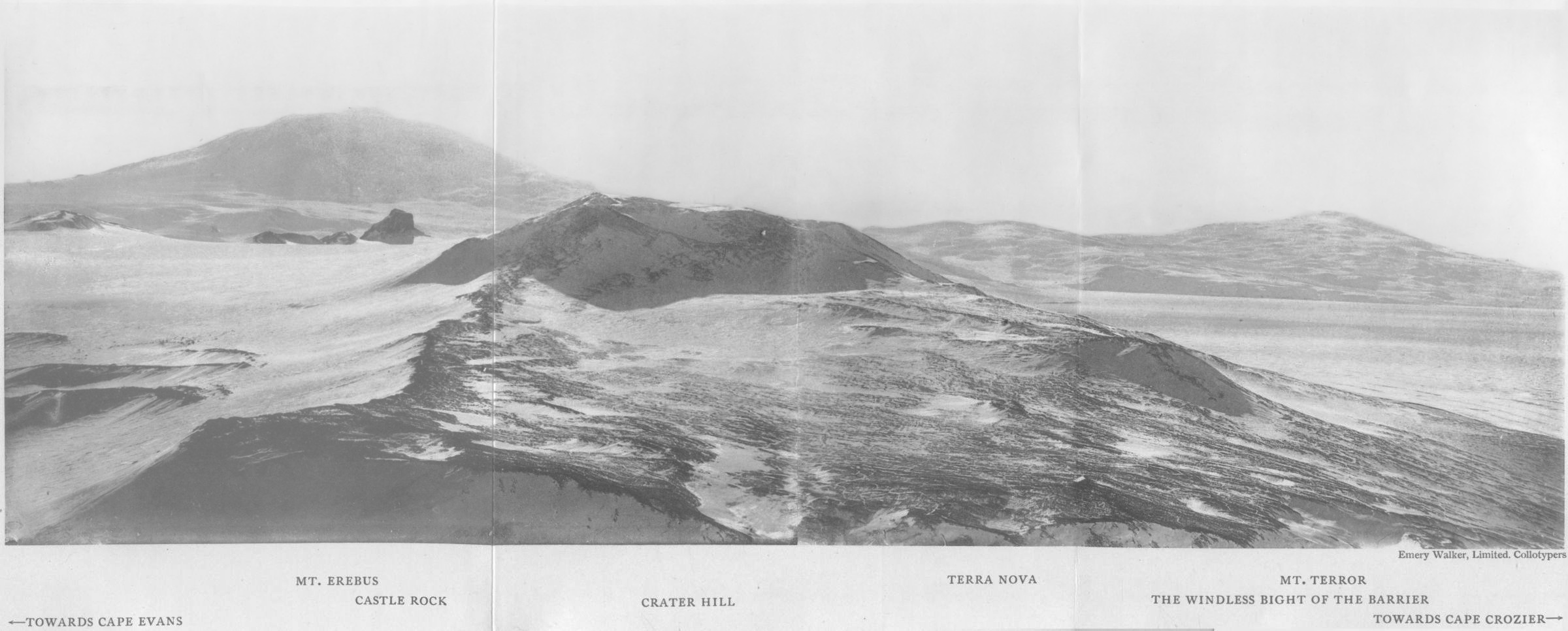
Approaching Mount Terra Nova, trekkers are greeted by an austere and breathtaking Antarctic landscape. The snow-blanketed slopes rise sharply against a backdrop of icy blue skies and the vast Southern Ocean. The dormant volcano’s peak offers a rare vantage point to witness panoramic views of the Antarctic coast and neighboring volcanic giants Mount Erebus and Mount Terror. The stark contrast between the frozen volcanic terrain and the pristine white icefields evokes a profound sense of geological power and isolation. Reaching the summit, explorers feel the raw, untouched wilderness of one of Earth’s last frontiers, where silence reigns and the scale of nature’s forces is humbling.
Geological Background of Mount Terra Nova
Mount Terra Nova is a stratovolcano located on Ross Island, Antarctica, positioned between the active Mount Erebus and the extinct Mount Terror. It rises to approximately 2,130 meters and is largely snow-covered except for some exposed volcanic rock near its summit. The volcano is part of the McMurdo Volcanic Group within the Erebus province. Geological studies reveal a complex stratigraphy with multiple tephra layers comprising phonolitic, trachybasaltic, trachytic, and basanite compositions. Basalt, olivine basalt, and scoria outcrops are found near the summit, overlain by glacial rubble. The volcano’s formation is tied to tectonic activity in the region, and while currently dormant, seismic monitoring has detected small earthquakes beneath it. Its volcanic history contributes valuable insights into Antarctic volcanism and the dynamic processes shaping Ross Island.
The Volcano Trek: Terrain and Hiking Experience
Trekking Mount Terra Nova presents a challenging yet rewarding experience shaped by Antarctica’s extreme environment and volcanic terrain. The ascent typically involves navigating snow-covered slopes interspersed with volcanic rock outcrops and glacial debris. Hikers must be prepared for variable footing, including loose scoria and basalt rubble, which can require careful scrambling and balance. The terrain is often steep, with sections of icy surfaces demanding the use of crampons and ice axes for safety. Altitude gain varies depending on the chosen route but generally involves climbing several hundred meters from landing sites on Ross Island. Weather conditions can shift rapidly, with strong katabatic winds and temperature fluctuations from -20°C to -50°C, necessitating robust cold-weather gear. The absence of established trails means trekkers often navigate off-trail, relying on expert guides and GPS navigation. Despite these challenges, the trek rewards adventurers with unparalleled views of the Antarctic coast, neighboring volcanoes, and expansive icefields. The combination of volcanic geology and polar wilderness creates a unique hiking environment unlike any other on Earth. Preparation, physical fitness, and adherence to environmental protocols are essential for a safe and successful expedition.
What Makes the Mount Terra Nova Trek Unique
Mount Terra Nova’s trek is distinguished by its location in one of the most remote and pristine environments on the planet. Unlike more frequented volcanoes, it offers a rare opportunity to explore a dormant Antarctic stratovolcano surrounded by vast icefields and dramatic volcanic neighbors. The trek provides unique panoramic views of the Antarctic coastline and the chance to witness geological formations shaped by both volcanic activity and glacial processes. Its position between Mount Erebus and Mount Terror adds scientific significance, as the area is a natural laboratory for studying Antarctic volcanism. The solitude and silence of the Antarctic wilderness enhance the emotional impact of the climb, making it a profound adventure for those seeking extreme and untouched landscapes.
Summit and Crater Experience
Reaching the summit of Mount Terra Nova, trekkers are met with a stark, windswept panorama that stretches across the Antarctic coast and the icy expanse of Ross Island. The peak is marked by a blue-ice area with diverse tephra deposits, revealing the volcano’s complex eruptive history. Unlike active volcanoes, the crater is dormant and snow-covered, but the geological features such as basalt and scoria outcrops are visible. The cold, crisp air carries the scent of mineral-rich volcanic rock, and the silence is punctuated only by the wind sweeping across the ice. The summit offers a rare vantage point to appreciate the scale and power of Antarctic volcanism, with views of neighboring Mount Erebus’s active lava lake and the vast Antarctic wilderness beyond.
Best Time to Trek Mount Terra Nova
The optimal time to trek Mount Terra Nova is during the Antarctic summer months, from November to February, when temperatures are relatively milder and daylight is continuous. During this period, weather conditions are more stable, and sea ice recedes enough to allow expedition ships to access Ross Island. Despite the summer season, temperatures can still range from -20°C to -50°C, and sudden weather changes are common. Trekking outside this window is generally not feasible due to extreme cold, darkness, and harsh weather. Visitors should also consider the Antarctic Treaty’s environmental regulations and seasonal restrictions, which may limit access to certain areas to protect wildlife and ecosystems.
Trekking Routes and Trail Options
Mount Terra Nova does not have established hiking trails due to its remote Antarctic location and environmental protection regulations. Trekking routes are typically planned as part of guided expedition shore excursions from Antarctic cruise ships or research stations on Ross Island. The most common approach involves landing on accessible coastal areas near Lewis Bay or Windless Bight, followed by an ascent through snowfields and volcanic rubble towards the summit. Routes vary in length and difficulty depending on weather, ice conditions, and expedition objectives. Guided groups usually limit size to minimize environmental impact and enhance safety. Navigation relies on GPS and expert knowledge of the terrain. Due to the absence of permanent infrastructure, all trekking is self-contained, with careful planning for safety and environmental compliance. Alternative routes may include traverses linking Mount Terra Nova with nearby volcanic features for scientific or exploratory purposes, but these are rare and require specialized permits.
Difficulty Assessment
Mount Terra Nova presents a moderate trekking challenge primarily due to its harsh Antarctic environment and variable volcanic terrain. The climb involves negotiating snow-covered slopes, loose volcanic rocks, and glacial debris, requiring good physical fitness and experience with cold-weather hiking. Altitude is moderate at just over 2,000 meters, but the extreme cold, wind, and potential for sudden weather changes increase the difficulty. Technical mountaineering skills such as the use of crampons and ice axes may be necessary depending on conditions. The lack of established trails and the need for self-navigation add to the challenge. Overall, the trek is suitable for experienced hikers and expedition participants accustomed to polar conditions and prepared for remote wilderness travel.
Essential Volcano Trekking Gear
Trekking Mount Terra Nova requires specialized gear to ensure safety and comfort in Antarctica’s extreme conditions. Essential items include insulated, waterproof hiking boots compatible with crampons; gaiters to protect against snow and volcanic ash; layered cold-weather clothing including thermal base layers, fleece mid-layers, and a windproof, waterproof outer shell; gloves and hats for warmth; and UV-protective sunglasses or goggles. Trekking poles aid stability on uneven terrain. A helmet is recommended for protection against falling rocks in volcanic areas. Navigation tools such as GPS devices and maps are critical due to the absence of marked trails. A gas mask or respirator is generally not required given the volcano’s dormant status, but awareness of volcanic gases is prudent. Additional gear includes a headlamp for low-light conditions, hydration systems to prevent dehydration in cold air, and sun protection due to high UV exposure. All equipment must comply with Antarctic environmental regulations to minimize impact.
Safety and Volcanic Hazards
While Mount Terra Nova is classified as dormant, safety precautions remain paramount due to the challenging Antarctic environment and volcanic terrain. Risks include extreme cold, high winds, and rapidly changing weather that can cause hypothermia or frostbite. The terrain features loose volcanic rocks and glacial rubble, increasing the risk of slips and falls. Although no recent eruptions have been recorded, seismic activity beneath the volcano has been detected, so monitoring by scientific agencies is ongoing. Visitors must adhere to guidelines established by the Antarctic Treaty System and expedition leaders to avoid disturbing sensitive ecosystems and historic sites. Emergency response options are limited due to remoteness, making thorough preparation and experienced guides essential. Awareness of potential volcanic gases is advised, though the dormant status minimizes this hazard. Overall, safety depends on careful planning, appropriate gear, and strict compliance with environmental and safety protocols.
Permits, Guides, and Logistics
Access to Mount Terra Nova and the broader Antarctic continent is strictly regulated under the Antarctic Treaty System and its Protocol on Environmental Protection. All visitors require permits issued by their national Antarctic program or authorized tour operators. Independent travel is highly restricted, and most visitors join organized expeditions that handle permit acquisition and compliance with environmental regulations. Tour operators specializing in Antarctic expeditions offering access to Mount Terra Nova include Terra Nova Expeditions, Intrepid Travel, National Geographic-Lindblad Expeditions, Antarctica21, and Aurora Expeditions. These companies provide comprehensive logistics including transportation via ice-strengthened vessels or fly-cruise options, expert guides with polar and geological expertise, and necessary equipment. Permits ensure protection of fragile ecosystems and historic sites, with strict limits on visitor numbers and activities. Costs for permits and expedition packages vary widely, often including park entry fees, guided excursions, meals, and safety briefings. Travelers must also comply with biosecurity measures to prevent introduction of non-native species. Due to the remote location, all logistics require meticulous planning, and visitors should expect limited infrastructure and self-sufficiency during the trek.
Where to Stay and Nearby Bases
Antarctica has no traditional hotels or permanent accommodations near Mount Terra Nova. Visitors typically stay aboard expedition cruise ships equipped with comfortable cabins and amenities, which serve as mobile bases for shore excursions. Notable vessels operated by companies such as Terra Nova Expeditions, Intrepid Travel, and National Geographic-Lindblad Expeditions offer well-appointed accommodations with dining, lecture facilities, and expert staff. For those seeking land-based options, seasonal camps and luxury pods like Whichaway Camp and Echo Camp exist elsewhere on the continent but are not proximate to Ross Island. The nearest permanent research stations are McMurdo Station (United States) and Scott Base (New Zealand) located on Ross Island’s Hut Point Peninsula, approximately 20-30 kilometers from Mount Terra Nova. These stations are primarily scientific facilities with limited visitor access and no tourist lodging. All accommodations and camps adhere to strict environmental protocols. Travelers should plan to spend nights aboard ships or in temporary expedition camps during their Antarctic visit, with logistics coordinated by their tour operator.
