
Mount Zuqualla Volcano Trekking Guide: Exploring Ethiopia’s Sacred Crater Lake and Ancient Monastery
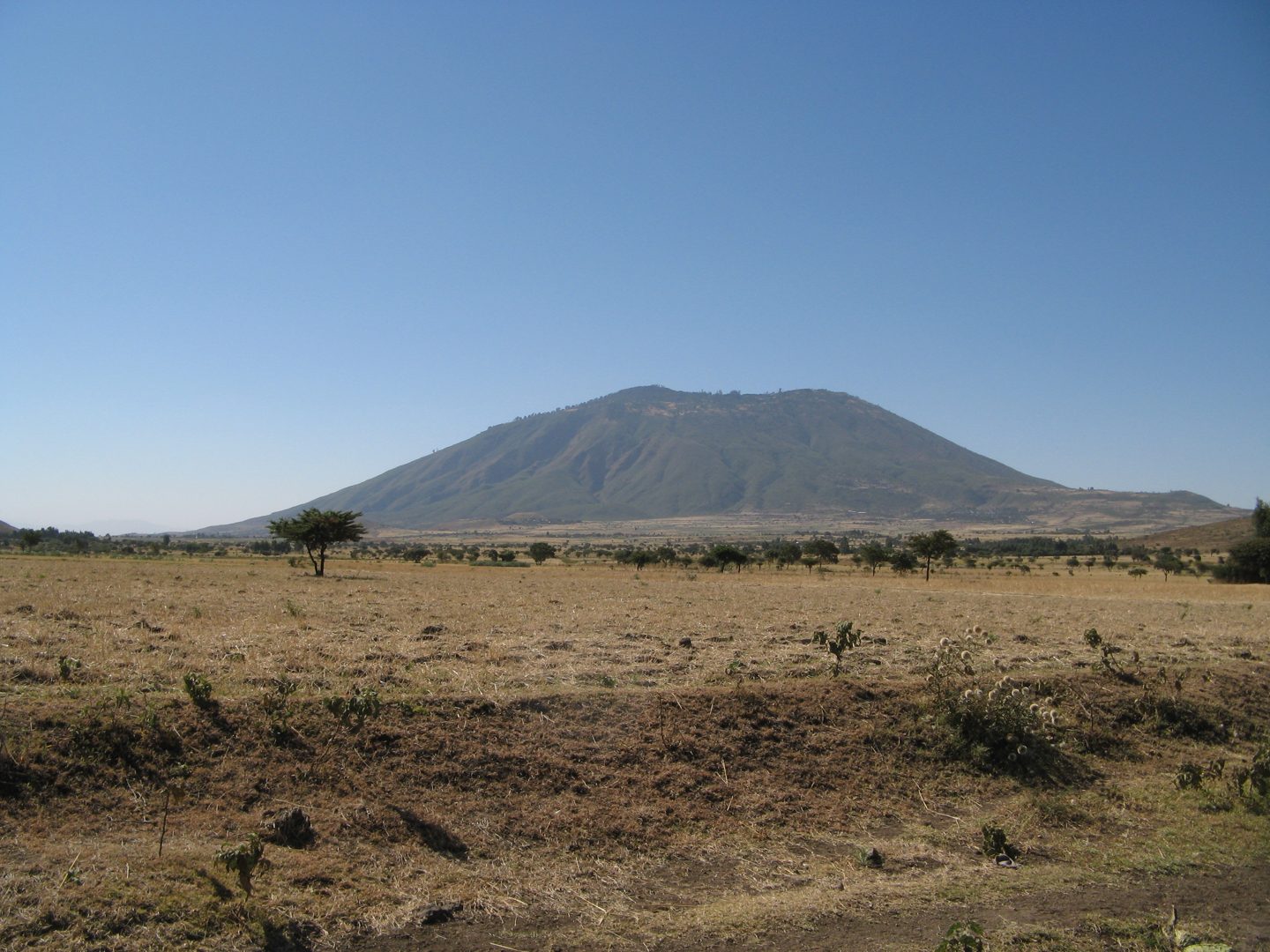
Mount Zuqualla, a dormant stratovolcano in Ethiopia’s Oromia Region, offers an accessible and culturally rich trekking experience. Hikers ascend through lush forests to a serene crater lake crowned by the historic Zuqualla Monastery, blending volcanic landscapes with spiritual heritage.
Quick Volcano Snapshot
| Attribute | Value |
|---|---|
| Volcano type | Stratovolcano |
| Elevation | 2998 meters |
| Location | Oromia Region, Ethiopia |
| Activity status | Dormant |
| Trekking difficulty | Easy |
| Typical trek duration | 4 hours ascent |
| Altitude gain | 900 meters |
| Terrain type | Mountain forest, rocky paths, crater rim |
| Best season | October to March |
| Temperature range | 10°C to 20°C |
| Permit requirement | No formal permit required; guided tours recommended |
Introduction: The Experience of Hiking Mount Zuqualla
Approaching Mount Zuqualla, the air grows crisp and the landscape shifts to a tapestry of verdant forests and volcanic slopes. The trek invites hikers into a realm where geological history and spiritual tradition intertwine. Ascending through dense juniper and mountain forest, the path reveals glimpses of wildlife and panoramic views of the surrounding Ethiopian highlands. Reaching the crater rim, the serene lake mirrors the sky, framed by the ancient Zuqualla Monastery. The contrast between the rugged volcanic terrain and the tranquil sacred site creates a profound sense of connection to both Earth’s power and human heritage.
Geological Background of Mount Zuqualla
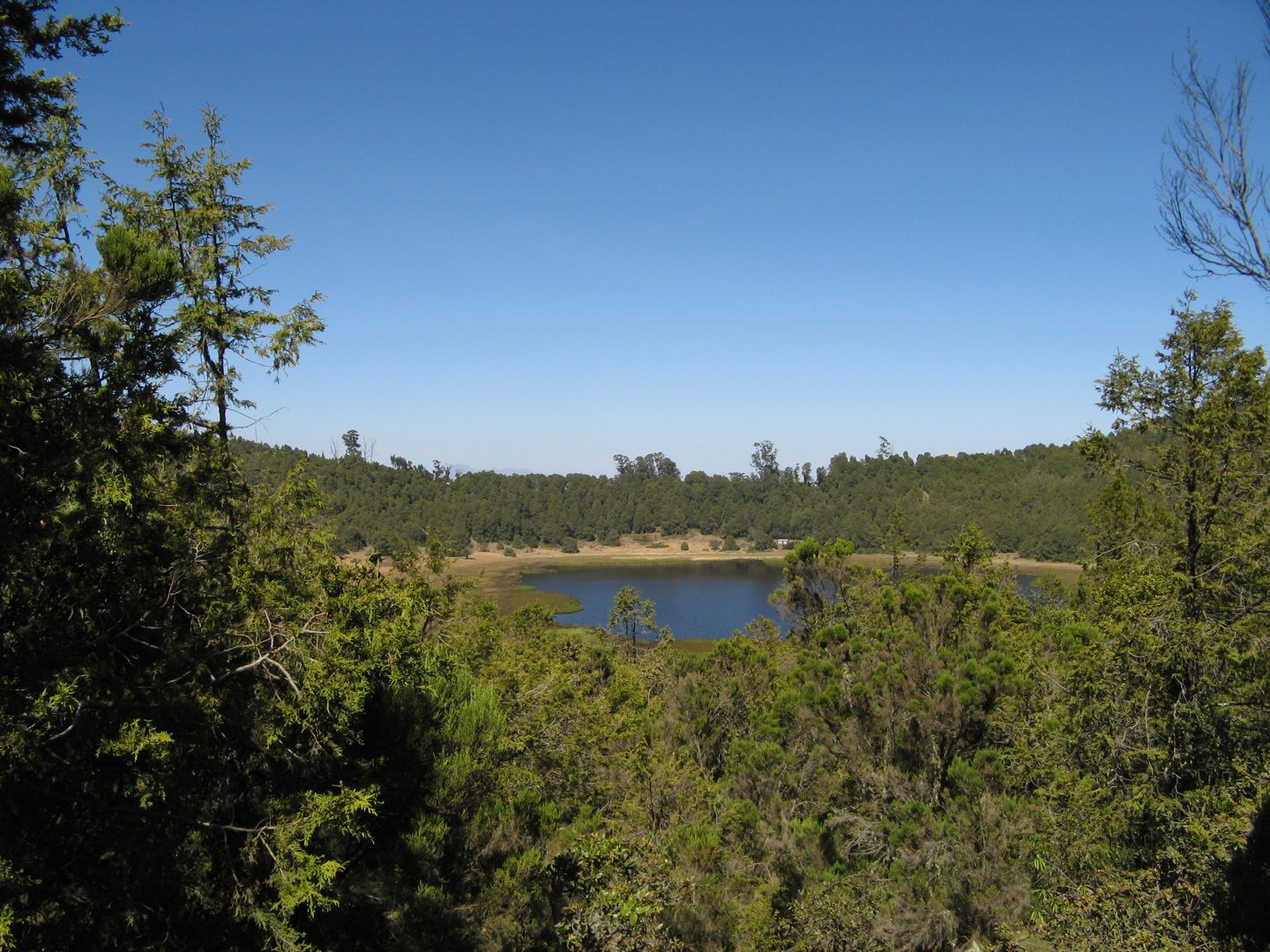
Mount Zuqualla is a dormant stratovolcano rising nearly 3,000 meters above sea level in Ethiopia’s Oromia Region. Formed through successive eruptions of viscous lava and ash, it features a broad crater approximately 2 kilometers wide and 60 meters deep. The crater hosts a shallow lake, a rare feature for volcanoes in this region, created by accumulated rainfall and groundwater. The volcano’s slopes are cloaked in dry mountain forest dominated by juniper trees, supporting a diverse ecosystem. Historically, the volcano has not erupted in recorded times, classifying it as dormant. Its geological formations include volcanic rock layers and mineral deposits, with fumaroles and sulfur vents absent due to its inactivity. The crater lake and surrounding forest provide a unique volcanic landscape blending natural history with ecological richness.
The Volcano Trek: Terrain and Hiking Experience
The trek up Mount Zuqualla is characterized by a steady ascent through varied terrain that challenges and delights hikers of all levels. Starting at the base near the village of Onebirr, the trail winds through cultivated farmland before entering dense mountain forest. The forest is rich with juniper and other native trees, offering shade and shelter from the sun. As the path climbs, hikers encounter rocky sections where volcanic debris and loose stones require careful footing. The trail’s incline averages moderate steepness, with an elevation gain of approximately 900 meters over four hours, making it accessible to those with reasonable fitness.
The terrain transitions from soft soil and leaf litter in the forest to more rugged volcanic rock near the crater rim. Here, the path narrows and becomes steeper, demanding increased attention and stamina. Wind exposure increases near the summit, and temperatures can drop, especially in early mornings or late afternoons. The volcanic soil is rich but can be slippery when wet, so sturdy hiking boots with good grip are essential.
Along the way, hikers may spot endemic wildlife such as the Colobus monkey and Menelik’s bushbuck, adding a vibrant natural element to the journey. Birdwatchers will appreciate sightings of the Ethiopian oriole and Abyssinian woodpecker. The trail’s diversity—from forested slopes to open volcanic ridges—creates a dynamic hiking experience that balances physical challenge with immersive nature observation.
The final approach to the crater lake involves navigating rocky outcrops and steep steps carved into the volcanic rock. The summit area is marked by the historic Zuqualla Monastery, which adds cultural depth to the trek. The crater lake itself is a calm, reflective body of water surrounded by forest, providing a peaceful reward after the climb. Overall, the terrain offers a blend of volcanic geology and lush ecology, making the hike both scenic and engaging.
What Makes the Mount Zuqualla Trek Unique
Mount Zuqualla’s trek stands out for its harmonious blend of natural beauty, geological intrigue, and cultural heritage. Unlike many volcano hikes that focus solely on geological features, this trek culminates at a crater lake considered sacred by local communities. The presence of the 4th-century Zuqualla Monastery perched on the crater rim offers a rare glimpse into Ethiopia’s ancient Christian traditions intertwined with the volcanic landscape.
The volcano’s dormant status allows for a peaceful hiking experience without the hazards of active volcanic activity, yet the terrain retains the dramatic volcanic character with rocky slopes and a broad crater. The surrounding forest is a biodiversity hotspot, home to endemic bird species and mammals rarely seen elsewhere.
Wildlife encounters with playful Columbus monkeys and elusive Menelik’s bushbuck enrich the trek, while the crater lake’s serene waters provide a mystical atmosphere. The cultural significance of the monastery, with its ancient frescoes and spiritual celebrations, adds a profound human dimension to the natural adventure. This combination of geology, ecology, and culture makes Mount Zuqualla a uniquely rewarding volcano trek.
The Summit and Crater Experience
Reaching the summit of Mount Zuqualla, hikers are greeted by a breathtaking panorama of the Ethiopian highlands stretching to the horizon. The crater rim offers sweeping views of lush forests, distant volcanic peaks, and the vibrant town of Bishoftu below. At the center lies the tranquil crater lake, its surface reflecting the sky and surrounding greenery like a natural mirror.
The air here carries a subtle coolness, and the scent of pine and earth mingles with the faint aroma of incense from the nearby Zuqualla Monastery. The monastery’s ancient stone walls and ornate pillars evoke a sense of timeless spirituality, inviting visitors to pause and reflect. The calm waters of the crater lake contrast with the rugged volcanic terrain, creating a serene oasis atop the mountain.
Sounds of birdsong and the rustling of leaves accompany the quiet atmosphere, broken occasionally by the distant calls of monkeys. The summit experience is both sensory and emotional, blending the awe of geological grandeur with the reverence of a sacred site. It is a moment of connection—to nature, history, and the enduring power of the Earth.
Best Time to Trek Mount Zuqualla
The optimal trekking season for Mount Zuqualla spans from October to March, coinciding with Ethiopia’s dry months. During this period, the weather is generally stable with clear skies, making for excellent visibility and comfortable hiking conditions. Temperatures range from 10°C in the early mornings to around 20°C during the day, ideal for physical exertion without excessive heat.
Avoiding the rainy season, which typically occurs from June to September, is advisable as trails can become slippery and visibility reduced. The dry season also minimizes the risk of encountering muddy or flooded paths, ensuring safer footing on volcanic soils.
Pilgrimage events at the Zuqualla Monastery, such as the Abo celebrations on October 15th and March 14th, offer unique cultural experiences but may bring increased visitor numbers. Early morning treks are recommended to enjoy cooler temperatures and the serene atmosphere before midday winds pick up near the summit.
Overall, planning a trek during the dry season maximizes safety, comfort, and the opportunity to fully appreciate the spectacular views and natural surroundings.
Trekking Routes and Trail Options on Mount Zuqualla
The primary and most popular route to Mount Zuqualla’s summit begins near the village of Onebirr, located at the volcano’s base. This trail is well-marked and maintained, offering a direct path through farmland and dense mountain forest to the crater rim. The ascent covers approximately 900 meters in elevation over a distance that typically takes four hours to complete.
This route is favored by guided tours and independent hikers alike due to its accessibility and scenic variety. Along the way, trekkers pass the Wenber Maryam Church, an important spiritual site nestled within the forest, adding cultural interest to the journey.
Alternative routes are limited, as the terrain around Mount Zuqualla is dominated by steep volcanic slopes and protected forest areas. However, some local guides may offer variations that include detours to wildlife viewing spots or visits to nearby crater lakes such as Lake Hora and Lake Bisheftu, enriching the trekking experience.
Most tours combine the ascent with a descent that includes a visit to the crater lake and the Zuqualla Monastery, allowing hikers to explore the sacred site and enjoy a picnic by the lake. The trail is suitable for day hikes, with many operators offering full-day packages including transportation from Addis Ababa or Bishoftu.
Self-guided hikers should prepare with detailed maps and consider hiring local guides for navigation and cultural insights. The trail’s moderate difficulty and well-defined path make it accessible to a wide range of trekkers, though fitness and proper gear are recommended for comfort and safety.
Difficulty Assessment of the Mount Zuqualla Trek
Mount Zuqualla is classified as an easy volcano trek, suitable for hikers with moderate fitness levels. The trail’s steady incline and well-maintained path reduce technical challenges, making it accessible to most active travelers. The primary difficulty lies in the 900-meter elevation gain over approximately four hours, which requires endurance but no specialized climbing skills.
The terrain includes forested trails, rocky sections, and some steep slopes near the summit, but these are manageable with proper footwear and trekking poles. Altitude effects are mild, as the summit reaches just under 3,000 meters, though some hikers may notice slight breathlessness or fatigue.
No technical mountaineering equipment is necessary, and the route does not involve scrambling or exposure to hazardous volcanic activity. The presence of local guides enhances safety and enriches the experience with cultural and natural knowledge.
Overall, the trek is ideal for beginners seeking a rewarding volcano hike and for experienced hikers looking for a culturally immersive and scenic day trip.
Essential Gear for Trekking Mount Zuqualla
Preparing for the Mount Zuqualla trek requires gear suited to moderate mountain hiking and variable weather. Essential items include sturdy hiking boots with good grip to navigate rocky and sometimes slippery volcanic terrain. Trekking poles are recommended to aid balance and reduce strain on knees during ascent and descent.
Lightweight, breathable clothing layered for temperature changes is advisable, along with a windproof jacket to protect against summit winds. Sun protection is critical due to high altitude exposure; bring a wide-brimmed hat, sunglasses, and high-SPF sunscreen.
A refillable water bottle or hydration system is necessary to stay hydrated during the four-hour climb. Insect repellent is useful for forested sections where mosquitoes may be present. A small first aid kit, snacks, and a camera to capture the stunning landscapes complete the essentials.
For early morning or late afternoon treks, a headlamp or flashlight is beneficial. While gas masks or respirators are not required due to the volcano’s dormant status, hikers should remain aware of weather changes and carry a map or GPS device if hiking independently.
Safety and Volcanic Hazards on Mount Zuqualla
Mount Zuqualla is a dormant volcano with no recent eruptive activity, significantly reducing volcanic hazards for trekkers. There are no active fumaroles, lava flows, or sulfur gas emissions, making the environment safe from volcanic gases and eruptions. However, standard mountain hiking risks apply.
Trail safety considerations include unstable footing on loose volcanic rocks and steep slopes near the crater rim. Hikers should exercise caution to avoid slips and falls, especially in wet conditions. The crater rim can be exposed to strong winds, which may affect balance and comfort.
Wildlife encounters are generally safe but require respect for local fauna such as monkeys and bushbucks. Sudden weather changes can occur, with temperature drops and rain, so appropriate clothing and preparedness are essential.
Local guides and tour operators monitor conditions and provide safety briefings. It is advisable to follow their instructions and avoid venturing off marked trails. Emergency services are limited in the area, so self-sufficiency and communication devices are recommended for independent trekkers.
Permits, Guides, and Logistics for Mount Zuqualla Trekking
Mount Zuqualla does not require formal permits for hiking, making access straightforward for independent travelers. However, guided tours are highly recommended to enhance safety, navigation, and cultural understanding. Several reputable local tour operators offer full-day trekking packages, including transportation, guiding services, and meals.
Notable operators include Lungo Local Tour Ethiopia & Tours Services Plc., Johnny Gondar Guided Tours, ELMI Ethiopia Tours, and Pelago Adventure Tours. These companies provide professional guides familiar with the terrain, local history, and wildlife, ensuring a rich and secure trekking experience.
Tours typically start early from Addis Ababa or Bishoftu, with transfers to the trailhead near Onebirr village. The hike involves a four-hour ascent with a 900-meter elevation gain, culminating at the crater rim and Zuqualla Monastery. Guides facilitate visits to the monastery, sharing insights into its 4th-century origins and spiritual significance.
Costs for guided day tours average around $180 per person, covering transportation, guiding, meals, and sometimes entrance fees to cultural sites. Booking in advance is advised, especially during peak trekking seasons from October to March.
Logistically, travelers should arrange transport to Addis Ababa Bole International Airport, followed by a one-hour drive to Bishoftu and the volcano base. Accommodation options in Bishoftu provide convenient staging points. Independent trekkers should prepare detailed maps, sufficient water, and weather-appropriate gear.
Overall, the combination of accessible logistics, knowledgeable guides, and cultural highlights makes Mount Zuqualla an excellent volcano trekking destination for adventure and heritage seekers alike.
Where to Stay and Nearby Bases for Mount Zuqualla Trekking
Bishoftu (also known as Debre Zeit) is the primary base town for trekking Mount Zuqualla, located approximately 53 kilometers southeast of Addis Ababa. This lively town sits on the shores of a volcanic crater lake and offers a range of accommodation options catering to different budgets and preferences.
For travelers seeking comfort and amenities, the Kuriftu Resort & Spa Bishoftu provides upscale lodging with lakeside views, swimming pools, and wellness facilities. The resort is well-situated for day trips to Mount Zuqualla and nearby crater lakes.
Mid-range hotels such as the Bishoftu Hotel and the Paradise Hotel offer clean, comfortable rooms with essential services including Wi-Fi, restaurants, and easy access to local transport. These hotels are popular among tourists and business travelers alike.
Budget travelers can find guesthouses and smaller hotels within the town center, providing basic but affordable accommodation. While these may lack luxury, they offer authentic local hospitality and convenient proximity to markets and eateries.
For those interested in a more immersive experience, eco-lodges and camping options are available around the crater lakes near Bishoftu, allowing visitors to enjoy the natural surroundings fully.
All accommodations are within a short drive to the trailhead at Onebirr village, where the Mount Zuqualla trek begins. Local taxis and tour operators provide reliable transport between Bishoftu and the volcano base.
Addis Ababa, Ethiopia’s capital, also serves as a gateway for international travelers. It offers a wide selection of hotels ranging from luxury chains like the Sheraton Addis and Hilton Addis Ababa to boutique guesthouses. From Addis Ababa, travelers can arrange day tours or overnight stays in Bishoftu to facilitate the trek.
Overall, the combination of Bishoftu’s hospitality infrastructure and Addis Ababa’s international connectivity makes planning a Mount Zuqualla trek logistically convenient and comfortable.


