

Mount Baker Volcano Trekking Guide: Technical Glacier Climbing on Washington’s Glaciated Stratovolcano
Mount Baker is a majestic, heavily glaciated stratovolcano in the North Cascades of Washington State. This guide covers technical climbing routes, glacier travel, and essential logistics for summiting this active volcano near the Canadian border.
Quick Volcano Snapshot
| Attribute | Value |
|---|---|
| Volcano type | Stratovolcano |
| Elevation | 10,781 ft (3,286 m) |
| Location | Washington State, United States, near Canadian border |
| Activity status | Active |
| Trekking difficulty | Technical mountaineering |
| Typical trek duration | 1-3 days |
| Altitude gain | Approximately 7,000-7,500 ft |
| Terrain type | Glaciated slopes, volcanic rock, snowfields, crevassed glaciers |
| Best season | May to early September |
| Temperature range | Variable; cold alpine conditions with potential freezing temperatures at summit |
| Permit requirement | No mandatory permits; voluntary climbing registration recommended |
The Experience of Hiking Mount Baker
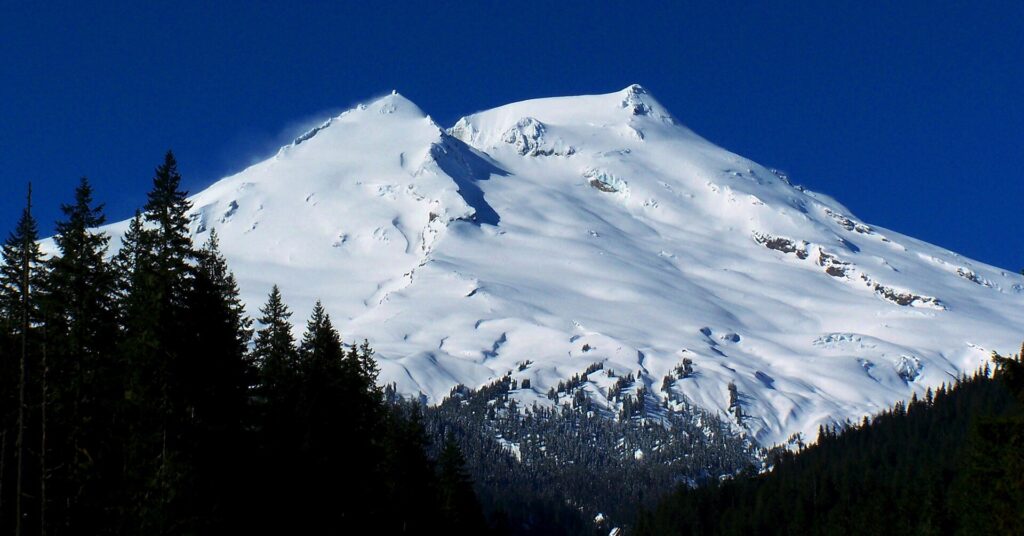
Approaching Mount Baker, the vast glaciated cone dominates the skyline, its snow and ice fields shimmering under the sun. The contrast between dense conifer forests at lower elevations and the stark, icy upper slopes creates a dramatic transition. Climbing this active volcano immerses you in a landscape shaped by fire and ice, where the power of geological forces is palpable. The ascent challenges both body and mind, culminating in the emotional triumph of standing atop a summit crowned by a massive ice-filled crater, with panoramic views stretching across the North Cascades and into Canada.
Geological Background of Mount Baker
Mount Baker is a classic stratovolcano located in the northern Cascade Range, formed by subduction of the Juan de Fuca Plate beneath the North American Plate. Its broad, symmetrical cone rises to 10,781 feet, heavily mantled by glaciers including the Coleman, Easton, and Deming Glaciers. The summit features a large ice-filled crater, beneath which lies a volcanic vent known as Sherman Crater, an active site of periodic steam eruptions. The volcano’s geology is characterized by layers of lava flows, volcanic ash, and pyroclastic deposits. Fumaroles and sulfur vents near the summit release volcanic gases, contributing to the mountain’s dynamic volcanic activity. The interaction of volcanic heat and glacial ice creates unique geological formations such as crevasses, seracs, and icefalls, making Mount Baker a living laboratory of volcanic and glacial processes.
Terrain and Hiking Experience on Mount Baker
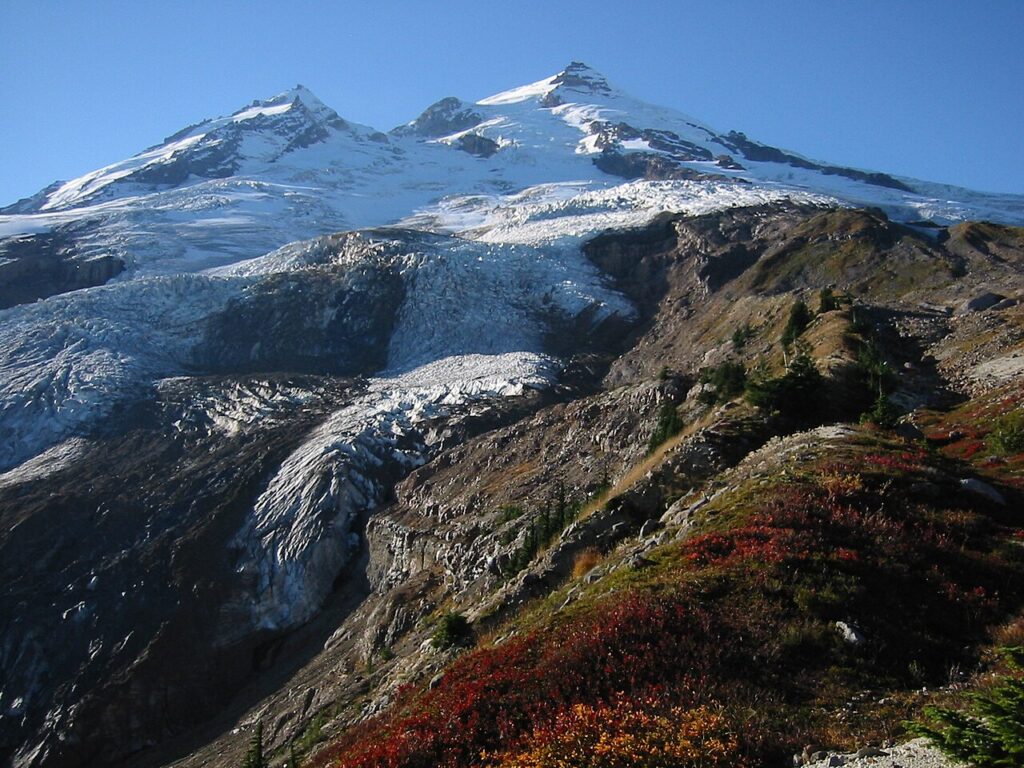
The trek up Mount Baker is a demanding technical mountaineering experience that traverses diverse and challenging terrain. At lower elevations, hikers move through dense coniferous forests and subalpine meadows, where trails are well-defined and terrain is relatively gentle. As elevation increases, the landscape transitions sharply to volcanic rock and loose scree, requiring careful footing. Above approximately 6,000 feet, the terrain becomes dominated by extensive glaciers, including the Coleman and Easton Glaciers, which are heavily crevassed and require glacier travel skills. Climbers must navigate snowfields, ice slopes, and steep volcanic ridges, often contending with wind-scoured surfaces and rapidly changing weather conditions. The final ascent involves negotiating the Roman Wall, a steep 40-45 degree icy slope that demands precise crampon and ice axe technique. Altitude effects become noticeable near the summit, and climbers must maintain a steady pace to manage fatigue. The combination of volcanic rock, ice, and snow creates a complex environment where route-finding, crevasse awareness, and glacier rescue knowledge are essential. The exposure on the upper slopes is significant, with narrow ridges and steep drop-offs, making the climb both physically and mentally demanding. Despite these challenges, the route rewards climbers with spectacular views and a profound connection to the mountain’s raw volcanic power.
What Makes the Mount Baker Trek Unique
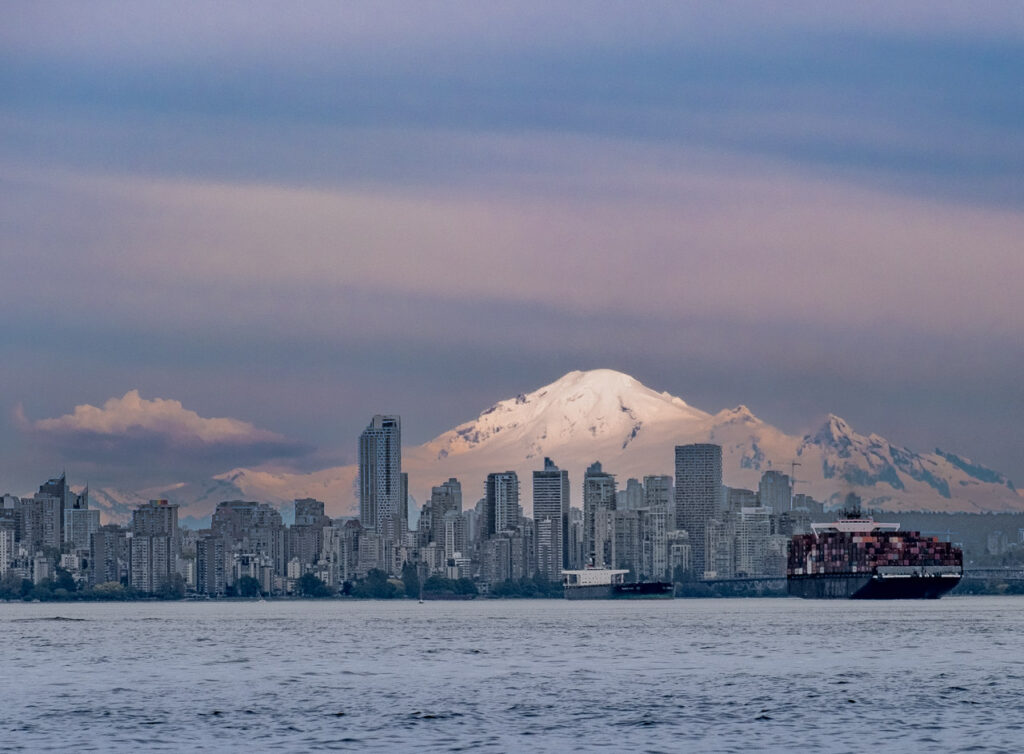
Mount Baker stands out as one of the most heavily glaciated volcanoes in the contiguous United States, offering a rare combination of active volcanic features and extensive icefields. Its summit crater is a massive ice mound concealing a volcanic vent that periodically emits steam and sulfurous gases, providing a vivid reminder of the mountain’s volcanic vitality. The trek’s unique blend of volcanic terrain and glacier travel challenges climbers to master alpine skills in a dynamic environment. The views from the summit encompass not only the rugged North Cascades but also the distant Puget Sound, Canadian peaks, and the Salish Sea. The mountain’s accessibility from major urban centers like Seattle and Vancouver makes it a prized destination for mountaineers seeking a technical yet achievable climb. The presence of multiple glacier routes, including the popular Coleman-Deming and Easton Glacier routes, allows climbers to experience different aspects of the mountain’s geology and terrain. The interplay of volcanic heat and ice creates spectacular features such as steaming fumaroles, crevassed glaciers, and serac barriers, making Mount Baker a compelling destination for both adventure and geological study.
Summit and Crater Experience on Mount Baker
Reaching the summit of Mount Baker is a moment of profound awe. The final approach crosses a plateau beneath the summit’s ice-capped crater, where the smell of sulfurous gases from Sherman Crater permeates the air. The summit itself is crowned by Grant Peak, a 1,300-foot-deep mound of ice that conceals the volcanic crater below. From this vantage point, climbers are rewarded with sweeping 360-degree views of the North Cascades, Glacier Peak, and beyond into British Columbia. The summit’s icy surface glistens under the sun, while the sound of escaping volcanic gases adds a primal soundtrack to the experience. The heat from fumaroles contrasts with the cold alpine air, creating a sensory reminder of the mountain’s living volcanic heart. The panorama includes rugged peaks, deep valleys, and distant urban centers, blending wilderness and civilization in a single breathtaking vista. The sense of accomplishment is heightened by the technical challenges overcome to reach this remote and powerful summit.
Best Time to Trek Mount Baker
The optimal climbing season for Mount Baker spans from late May through early September, when snow conditions are generally stable and weather is more predictable. Early summer offers firmer snow and ice, ideal for glacier travel and crampon use, while late summer can bring softer snow and increased crevasse hazards due to melting. Climbers should start alpine ascents very early, often between midnight and 2 a.m., to take advantage of hard, frozen snow and minimize risks associated with sun-softened slopes. Weather in the North Cascades can change rapidly, with potential for storms, high winds, and cold temperatures even in summer. Monitoring volcanic activity and weather forecasts is essential, as sudden gas emissions or eruptions, though rare, can impact safety. Seasonal closures or trail conditions may affect access, so climbers should verify current information before planning their trip.
Routes and Trail Options for Mount Baker
Mount Baker offers several established climbing routes, each with distinct characteristics and challenges. The Coleman-Deming Glacier route, starting at Heliotrope Ridge (3,665 ft), is the most popular and considered beginner-friendly among technical climbs. It involves a 7,000-foot elevation gain over 1-2 days, passing through Hogsback Camp at 6,200 feet before ascending glaciers and the steep Roman Wall to the summit. The Easton Glacier route, accessed from Schriebers Meadow (3,345 ft), is a scenic and gradual climb with approximately 7,500 feet of elevation gain. This south-side approach features a longer hike to base camp and a glacier ascent with crevasse navigation, favored for its consistent snow conditions. The North Ridge route is a more advanced alpine climb with steep snow and ice pitches, requiring technical expertise and is best suited for experienced mountaineers. The Squak Glacier route offers a less crowded alternative with similar technical demands. All routes require glacier travel skills, crevasse rescue knowledge, and appropriate alpine equipment. Guided options are widely available, providing instruction and support for climbers of varying experience levels.
Difficulty Assessment of Mount Baker Climb
Mount Baker is classified as a technical mountaineering climb, demanding proficiency in glacier travel, ice axe and crampon use, and crevasse rescue techniques. The ascent involves sustained elevation gain of approximately 7,000 to 7,500 feet over rugged terrain, including steep snow and ice slopes such as the Roman Wall. Climbers face hazards from crevasses, seracs, and variable weather conditions, requiring physical fitness, alpine experience, and mental resilience. While the Coleman-Deming and Easton Glacier routes are considered moderate technical climbs suitable for climbers with some glacier experience, the North Ridge and other alpine routes demand advanced skills and technical climbing ability. The climb is not recommended for beginners without professional guidance. Overall, Mount Baker offers a challenging but rewarding alpine experience, serving as an excellent training ground for more demanding peaks.
Essential Gear for Mount Baker Volcano Trekking
Climbing Mount Baker requires specialized alpine and glacier equipment. Essential gear includes mountaineering boots compatible with crampons, crampons themselves, and an ice axe for self-arrest and stability on snow and ice. Trekking poles are useful for lower elevation approaches. A climbing harness, ropes, and glacier travel gear such as prusiks, carabiners, and crevasse rescue equipment are mandatory for safe glacier navigation. Layered clothing suitable for cold, windy, and variable weather conditions is critical, including a windproof and waterproof shell, insulating layers, gloves, and a warm hat. A helmet protects against rockfall and icefall hazards. Headlamps are necessary for early alpine starts. Sun protection, including sunglasses and high SPF sunscreen, is important due to high UV exposure on snowfields. Adequate hydration systems and high-energy food support endurance. A gas mask or respirator is generally not required but may be considered if sulfur gas emissions are strong near the crater.
Safety and Volcanic Hazards on Mount Baker
Mount Baker presents several safety challenges unique to active glaciated volcanoes. Climbers must be vigilant of volcanic gases, particularly sulfur dioxide emitted from Sherman Crater, which can cause respiratory irritation. The summit area may have unstable snow and ice conditions, with crevasses hidden beneath snow bridges posing serious fall hazards. Rock and icefall are common on steep slopes and ridges, requiring helmets and careful route selection. Sudden weather changes can bring high winds, low visibility, and cold temperatures, increasing risk of hypothermia and disorientation. Although eruptions are infrequent, monitoring by the United States Geological Survey (USGS) and local authorities provides alerts on volcanic activity. Climbers should register their plans with ranger stations and carry communication devices for emergencies. Proper training in glacier travel, crevasse rescue, and avalanche awareness is essential. Adhering to safety protocols and turning back when conditions deteriorate are critical for a safe ascent.
Permits, Guides, and Logistics for Mount Baker Climbing
Mount Baker does not require mandatory permits for climbing; however, voluntary registration at ranger stations is strongly recommended for safety and rescue purposes. Parking at trailheads such as Schriebers Meadow and Heliotrope Ridge requires a Northwest Forest Pass. Numerous professional guiding companies operate on Mount Baker, offering guided climbs, mountaineering courses, and equipment rental. Notable operators include Pro Guiding Service, Northwest Alpine Guides, RMI Expeditions, Guided Exposure, Baker Mountain Guides, Gallant Wind Guiding, and Pacific Alpine Guides. These services provide expert instruction in glacier travel, crevasse rescue, and summit techniques, catering to climbers from beginners to advanced alpinists. Typical guided climbs span 2-3 days, including approach hikes, base camp setup, skill training, and summit attempts. Logistics involve meeting in Sedro-Woolley or Glacier, Washington, with transportation arranged to trailheads. Climbers should plan for car rental or shuttle services, as the area is car-dependent. Travel insurance with coverage for evacuation and rescue is highly advised. Climbers must prepare for self-sufficiency in remote alpine conditions, carrying appropriate gear and provisions. Seasonal conditions and weather forecasts should be monitored closely to ensure safe timing of climbs.
Where to Stay and Nearby Bases for Mount Baker Climbs
The primary gateway towns for Mount Baker climbs are Sedro-Woolley, Glacier, and Burlington, Washington, each offering a range of accommodations suited for climbers and hikers. Sedro-Woolley serves as a common meeting point for guided climbs, with several hotels and motels providing convenient lodging. Glacier, located closer to the mountain, offers cozy cabins and vacation rentals such as the Modern Mt. Baker Glacier Cabin, featuring amenities like wood stoves, heated floors, and proximity to local dining. Burlington, approximately 20 minutes west of Sedro-Woolley, has numerous chain hotels and Airbnb options, ideal for travelers seeking comfort and accessibility. For a more rustic experience, Mt. Baker Lodging provides a variety of self-catered cabins, chalets, and condos nestled in natural forest settings near the mountain. Blue T Lodge in Glacier offers pet-friendly rooms, modern amenities, and an on-site restaurant and bar, making it a popular choice for climbers. Many accommodations provide ample storage for climbing gear and easy access to trailheads. Due to the rural and mountainous terrain, car rental is essential for reaching these bases and trailheads. Early booking is recommended during peak climbing season to secure lodging.


