
Hiking the Garrotxa Volcanic Zone: A Complete Trekking Guide to Catalonia’s Dormant Volcanoes
Explore the Garrotxa Volcanic Zone in Catalonia, Spain, home to over 40 dormant volcanoes. This guide covers the geology, hiking terrain, routes, permits, accommodations, and safety tips for trekking this unique volcanic landscape.
Quick Volcano Snapshot
| Attribute | Value |
|---|---|
| Volcano type | Complex volcano (volcanic field) |
| Elevation | Up to 786 m (Croscat Volcano) |
| Location | Catalonia, Spain |
| Activity status | Dormant |
| Trekking difficulty | Easy to Moderate |
| Typical trek duration | 3-4 hours for main hikes |
| Altitude gain | Approx. 560 m |
| Terrain type | Lava fields, volcanic cones, beech forests, ash slopes |
| Best season | Spring to Autumn |
| Temperature range | Mild Mediterranean climate, 10°C to 25°C |
| Permit requirement | No special permits required; park entry fees apply |
The Experience of Hiking the Garrotxa Volcanic Zone
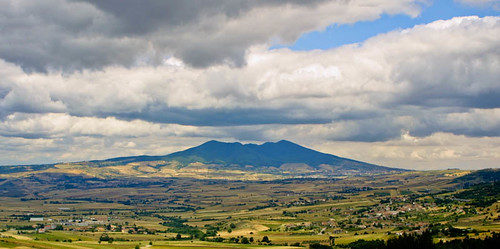
Approaching the Garrotxa Volcanic Zone, hikers are greeted by a landscape shaped by ancient volcanic activity, where over 40 dormant cones rise gently from lush green forests and fertile plains. The contrast between the rugged volcanic terrain and the surrounding beech and oak woodlands creates a striking visual drama. Walking through this volcanic field, you feel the quiet power of the earth beneath your feet, the remnants of eruptions that shaped the Iberian Peninsula’s most extensive volcanic area. Reaching the crater rims, such as those of Santa Margarida or Croscat, offers a serene yet awe-inspiring moment, where the silence is punctuated only by the rustle of leaves and distant birdcalls. The presence of medieval villages nearby adds a cultural depth to the adventure, blending natural history with human heritage.
Geological Background of the Garrotxa Volcanic Zone
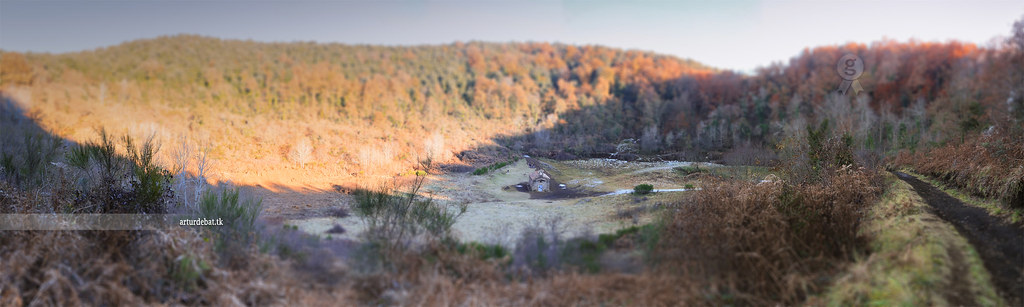
The Garrotxa Volcanic Zone is a complex volcanic field located in northern Catalonia, Spain, forming part of the inland foothills of the Pyrenees. It comprises around 40 dormant volcanoes and more than 20 lava flows, active between approximately 700,000 and 10,000 years ago. These volcanoes are monogenetic, meaning each volcano erupted only once, creating small cones and craters scattered across the landscape. The volcanic activity was characterized by phreatomagmatic eruptions, where magma interacted explosively with groundwater, forming wide craters such as the Santa Margarida Volcano. The Croscat Volcano, the youngest and highest in the region, features a distinctive horseshoe-shaped crater due to quarrying activities in the 20th century. The lava flows have created fertile soils that support dense beech and oak forests, while volcanic minerals and basaltic formations add to the geological richness of the area. Fumaroles and sulfur deposits are absent today, reflecting the dormant status of the volcanoes.
Terrain and Hiking Experience in the Garrotxa Volcanic Zone
Hiking in the Garrotxa Volcanic Zone offers a varied and accessible experience suitable for a wide range of fitness levels. The terrain is a mosaic of volcanic cones, lava flows, and dense forests, with well-marked trails weaving through this unique landscape. Trekkers will encounter gentle to moderate ascents, with elevation gains around 560 meters on popular routes such as the hike encompassing the Santa Margarida and Croscat volcanoes. The volcanic cones themselves feature ash slopes and loose volcanic rock, requiring sturdy hiking boots for secure footing. The Croscat Volcano’s quarry face presents a steep, rocky ascent, while the Santa Margarida Volcano offers a gentler climb with a circular crater rim trail. The surrounding Fageda d’en Jordà beech forest grows atop ancient lava flows, providing a cool, shaded contrast to the open volcanic terrain. Hikers should be prepared for occasional steep sections and uneven ground, but technical climbing skills are not necessary. The trails are well maintained and signposted, with numerous routes allowing for customization of distance and difficulty. Weather conditions are generally mild, but wind exposure can increase near the crater rims. The combination of volcanic geology, forest ecosystems, and rural Catalan villages creates a richly rewarding hiking experience that blends natural beauty with cultural heritage.
What Makes the Garrotxa Volcanic Zone Trek Unique
The Garrotxa Volcanic Zone stands out as the largest and best-preserved volcanic landscape on the Iberian Peninsula, offering a rare glimpse into monogenetic volcanic activity. Its unique feature is the concentration of over 40 dormant volcanoes spread across a relatively compact area, allowing hikers to explore multiple volcanic cones and lava flows within a single day. The Santa Margarida Volcano is famous for its picturesque Romanesque chapel nestled within its wide crater, blending geological wonder with historical architecture. The Croscat Volcano, the youngest in the region, reveals its internal structure due to past quarrying, providing an educational insight into volcanic formation. The juxtaposition of lush beech forests growing atop hardened lava flows adds ecological diversity and a magical atmosphere to the trek. Additionally, the proximity of medieval villages such as Besalú and Castellfollit de la Roca enriches the journey with cultural and culinary experiences, making the Garrotxa trek a multidimensional adventure.
The Summit and Crater Experience
Reaching the summit of the Croscat or Santa Margarida volcanoes offers a serene yet captivating experience. From the top of Croscat, at 786 meters, hikers are rewarded with panoramic views of the volcanic cones scattered across the verdant landscape, framed by the distant Pyrenees. The crater rim walk around Santa Margarida reveals the wide, circular depression formed by explosive eruptions, with the charming hermitage standing quietly at its center. The air here carries a subtle earthy scent, and the silence is profound, broken only by the sounds of nature. The terrain underfoot varies from compact volcanic ash to rugged basaltic rock, inviting careful steps. The absence of fumarolic activity means no sulfur smells or heat, but the geological story is palpable in the layered lava flows and volcanic formations. These summits offer a moment to reflect on the immense natural forces that shaped this peaceful landscape.
Best Time to Trek the Garrotxa Volcanic Zone
The ideal time to explore the Garrotxa Volcanic Zone is from spring through autumn, when temperatures are mild and the weather is generally stable. Spring brings vibrant greenery and blooming wildflowers, enhancing the forested sections of the trails. Summer offers warm days, though hikers should start early to avoid midday heat and carry sufficient water. Autumn is particularly scenic, with the beech forests displaying rich hues of orange and gold. Winters are cooler and wetter, with occasional snow in higher elevations, which can make trails slippery and less accessible. The volcanic zone is open year-round, with no specific volcanic activity restrictions, but visitors should check local weather forecasts and park advisories before planning their trek. Sunrise hikes are popular for their spectacular light on the volcanic cones and surrounding landscapes.
Trekking Routes and Trail Options in Garrotxa
The Garrotxa Volcanic Zone offers a network of well-marked trails totaling over 30 kilometers, allowing hikers to customize their routes based on time and fitness. A popular loop is the 14-kilometer hike covering the Santa Margarida and Croscat volcanoes, with an elevation gain of approximately 560 meters, typically completed in 3 to 4 hours. This route begins near the Fageda d’en Jordà beech forest, providing a shaded start before ascending volcanic cones. Trails are marked with cream-colored signs topped with purple tips, ensuring easy navigation. For those seeking shorter or easier options, numerous paths circle individual cones or explore lava flows and forested areas. The park’s two main access points, Can Serra and Santa Margarida car parks, serve as trailheads for various routes. Guided tours are available through operators such as The Spanish Touch and Experitour, offering tailored itineraries including cultural visits to nearby medieval villages. Self-guided hikers can combine multiple trails to create multi-day treks, integrating visits to natural and historical sites across the region.
Difficulty Assessment of the Garrotxa Volcano Trek
The Garrotxa Volcanic Zone trek is classified as easy to moderate, suitable for hikers with basic fitness and no technical climbing experience. The terrain includes gentle to moderately steep ascents on volcanic ash and loose rock, with some sections requiring careful footing, especially near quarry faces like Croscat. Altitude is relatively low, peaking at 786 meters, so altitude sickness is not a concern. Trails are well maintained and signposted, minimizing navigation challenges. The hike’s moderate length and elevation gain make it accessible for families and beginner hikers, while still offering rewarding views and geological interest. Weather conditions can affect trail difficulty, with wet or windy days requiring caution. Overall, the trek provides a comfortable yet engaging volcanic hiking experience.
Essential Gear for Trekking Garrotxa Volcanoes
For hiking in the Garrotxa Volcanic Zone, essential gear includes sturdy hiking boots with good grip to handle loose volcanic ash and rocky terrain. Trekking poles are recommended for stability on uneven slopes. A windproof jacket is advisable due to occasional gusts near crater rims. Since the area has little shade on volcanic cones, sun protection such as a wide-brimmed hat, sunglasses, and sunscreen is important. Carry sufficient water and snacks to stay hydrated and energized during the 3-4 hour hikes. A map or GPS device is useful for self-guided exploration, although trails are well marked. In cooler months, layering clothing is recommended to adapt to temperature changes. A small first aid kit and a headlamp can be helpful for safety and early starts. While volcanic gases are minimal due to dormancy, sensitive individuals may consider a light dust mask to protect against ash dust on dry, windy days.
Safety and Volcanic Hazards in Garrotxa
The Garrotxa Volcanic Zone is dormant, with no recent volcanic activity, making it a safe destination for hikers. However, standard hiking precautions apply. Trails can have loose volcanic ash and rocks, increasing the risk of slips and falls, especially on steep slopes like those of Croscat Volcano. Weather can change rapidly, with wind exposure near crater rims requiring appropriate clothing. There are no active fumaroles or toxic gases, but hikers should avoid disturbing natural features and stay on marked paths to protect both safety and the environment. The park is monitored by local authorities who provide updates on trail conditions and any temporary closures. Visitors should respect park regulations, including parking rules and waste disposal, to preserve this unique landscape. Emergency services are accessible from nearby towns such as Olot and Besalú.
Permits, Guides, and Logistics for Garrotxa Volcano Trekking
No special permits are required to hike in the Garrotxa Volcanic Zone Natural Park, but visitors should be aware of park entry regulations and parking fees at main access points such as Can Serra and Santa Margarida car parks. These car parks operate with automatic or manual payment systems, accepting bank cards or cash respectively, and funds support conservation efforts. Guided hiking tours are widely available through reputable operators including The Spanish Touch, Experitour, Guided Spain Tours, and Outdoor Voyage. These companies offer half-day or full-day hikes combining volcanic exploration with cultural visits to medieval villages like Besalú and Castellfollit de la Roca. Booking a guided tour is recommended for those seeking expert geological insights, logistical support, and transportation from Barcelona or Girona. Public transport options include buses operated by Teisa connecting major towns, though some trailheads may require taxi transfers. The nearest airports are Barcelona-El Prat and Girona-Costa Brava, with car rentals available for flexible regional travel. Hikers should plan for adequate water, weather-appropriate clothing, and comfortable footwear. Local restaurants provide traditional Catalan meals to enjoy after trekking. Overall, the Garrotxa region is well-equipped for visitors, balancing accessibility with preservation.
Where to Stay and Nearby Bases for Exploring Garrotxa Volcanoes
Accommodation options near the Garrotxa Volcanic Zone cater to a range of preferences, from charming rural guesthouses to comfortable hotels in nearby towns. The town of Olot, located about 10 kilometers from the park, serves as the primary base for volcano trekking. Olot offers several hotels such as Hotel Museu Llegendes de la Garrotxa, which combines modern amenities with local character, and Hotel Can Blanc, known for its cozy atmosphere and proximity to dining options. For a more intimate experience, rural casas and eco-lodges are available in the surrounding countryside, providing peaceful settings amidst nature. The medieval village of Besalú, about 15 kilometers away, also offers boutique hotels and guesthouses, ideal for combining cultural exploration with hiking. Many accommodations provide easy access to trailheads and offer services such as guided tours, bike rentals, and local culinary experiences. Public transport links and car rental services facilitate convenient travel between lodging and volcanic sites. Visitors are advised to book accommodations in advance during peak seasons to secure preferred options. Staying in these towns allows hikers to enjoy the region’s gastronomy, historic architecture, and warm Catalan hospitality after a day of volcanic adventure.