Volcano Peak Trekking Guide: Explore Alberta’s Extinct Volcanic Summit with Panoramic Views
Volcano Peak in Alberta, Canada, offers a moderate trek to an extinct volcanic summit with spectacular panoramic views of Kananaskis Country. This guide covers the geology, hiking terrain, routes, safety, permits, accommodations, and logistics for adventurers seeking a unique volcanic hiking experience in the Canadian Rockies.
Quick Volcano Snapshot
| Attribute | Value |
|---|---|
| Volcano type | Extinct volcanic peak |
| Elevation | 2554 m |
| Location | Kananaskis Country, Alberta, Canada |
| Activity status | Extinct |
| Trekking difficulty | Moderate |
| Typical trek duration | 5 to 8 hours |
| Altitude gain | 1100 m |
| Terrain type | Forest trails, bushwhacking, talus slopes, rocky ridges |
| Best season | Spring and Fall (early/late season preferred) |
| Temperature range | -5°C to 20°C (season dependent) |
| Permit requirement | No special permits required; park regulations apply |
Introduction: The Experience of Hiking Volcano Peak
Approaching Volcano Peak, hikers are greeted by the rugged beauty of the Canadian Rockies, where the extinct volcanic summit rises prominently above dense forests and alpine meadows. The trail weaves through a mosaic of terrain, from shaded forest paths to open talus slopes, offering a dynamic hiking experience. As you ascend, the landscape opens to reveal sweeping panoramic views of Kananaskis Country, a vast wilderness of mountains, lakes, and valleys. The contrast between the lush lower slopes and the barren rocky summit evokes a powerful sense of geological history and natural grandeur. Reaching the summit, the expansive vistas and the quiet solitude of this volcanic peak reward the effort, leaving a lasting impression of connection to the ancient forces that shaped this land.
Geological Background of Volcano Peak
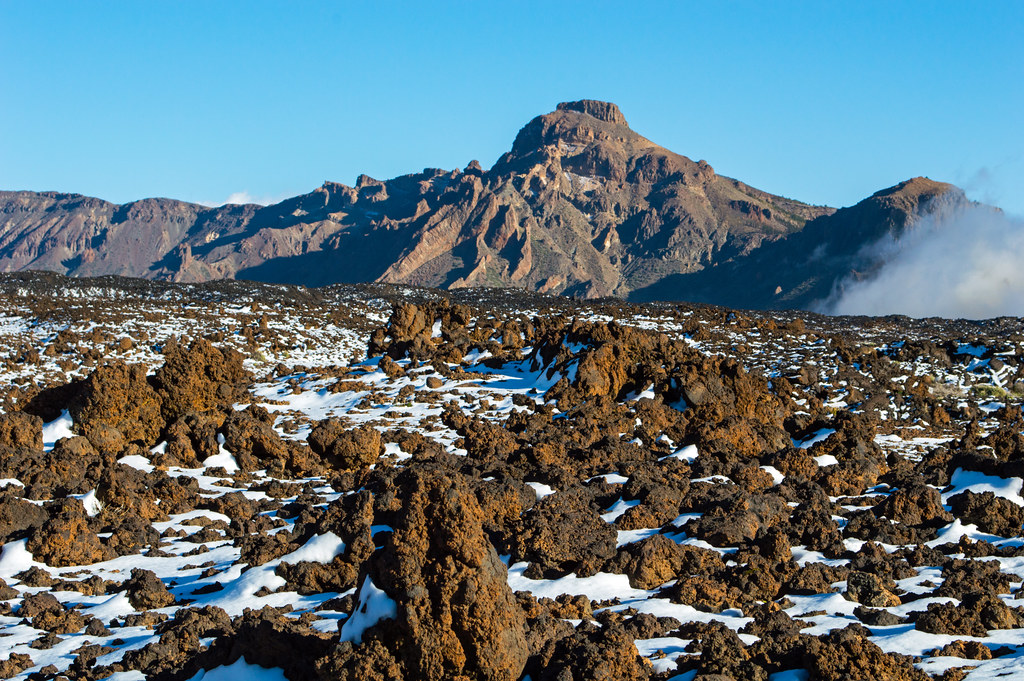
Volcano Peak is an extinct volcanic peak located in the Front Ranges of the Canadian Rockies within Elbow-Sheep Wildland Provincial Park. It forms the southern point of the MacDougall Range and is part of a complex geological history shaped by tectonic uplift and volcanic activity millions of years ago. Unlike active volcanoes, Volcano Peak no longer exhibits eruptive activity, but its volcanic origins are evident in the rugged rock formations and the talus slopes that characterize its upper reaches. The peak is composed primarily of volcanic rock that has been sculpted by glacial and erosional processes over time. Its extinct status means there are no fumaroles or active lava flows, but the peak remains a striking geological landmark that offers insight into the volcanic past of the Canadian Rockies.
The Volcano Trek: Terrain and Hiking Experience
The hike to Volcano Peak is a moderately challenging adventure that combines well-maintained trails with sections of off-trail navigation and bushwhacking. The journey typically begins on the Evan-Thomas Trail, a forested path that gradually ascends through dense woodland. Early in the hike, trekkers encounter a sign marking the end of the maintained trail, where the route becomes less defined and requires careful route-finding skills. From this point, hikers often bushwhack through thick undergrowth and navigate around fallen trees, especially during the summer months when vegetation is dense. This section can be physically demanding and requires patience and good map or GPS skills to avoid getting off track.
As the trail progresses, the forest thins out, revealing open fields and burned forest areas that provide clear views of the peak ahead. The ascent continues up a talus slope composed of loose volcanic rock and boulders, demanding sure-footedness and balance. The talus field can be slippery, especially when wet or covered with snow, so trekking poles are highly recommended to aid stability. After the talus, hikers skirt around small wooded areas before reaching an open slope leading directly to the summit ridge.
The final approach to the summit is a straightforward walk along a rocky ridge with minimal exposure, offering spectacular views of the surrounding mountain ranges. The terrain here is rugged but manageable for hikers with moderate scrambling experience. Weather conditions can vary rapidly, with strong winds and temperature drops common near the summit, so appropriate clothing layers are essential.
Overall, the hike combines diverse terrain types—from forest trails and bushwhacking to rocky slopes and ridges—providing a rewarding challenge for intermediate hikers. The route demands good physical fitness, navigation skills, and preparedness for variable mountain weather. The effort is richly rewarded by the stunning vistas and the unique experience of standing atop an extinct volcanic peak in the heart of the Canadian Rockies.
What Makes This Volcano Trek Unique
Volcano Peak stands out among Alberta’s mountain hikes due to its volcanic origin and the panoramic views it offers over Kananaskis Country. Unlike many other peaks in the region, this extinct volcano provides a rare opportunity to explore volcanic terrain within the Canadian Rockies. The combination of forested lower slopes, talus fields, and rocky ridges creates a varied hiking experience that contrasts with the more typical limestone and shale mountains nearby.
The trek’s relative obscurity compared to popular nearby hikes like Wedge Mountain or Old Baldy means it offers solitude and a sense of discovery. The route’s bushwhacking sections and off-trail navigation add an adventurous element that appeals to experienced hikers seeking a less-traveled path. The summit rewards climbers with sweeping views of rugged mountain landscapes, alpine lakes, and vast wilderness areas, making it a perfect vantage point for photography and nature appreciation.
Additionally, the seasonal timing of the hike—best in early spring or late fall when vegetation is sparse—adds a unique challenge and beauty, with fresh snow often dusting the peak and surrounding ridges. This combination of geological significance, varied terrain, and spectacular vistas makes Volcano Peak a distinctive and memorable volcano trekking destination.
The Summit Experience at Volcano Peak
Reaching the summit of Volcano Peak is a moment of profound connection with the natural world and the geological forces that shaped this landscape. The summit ridge offers unobstructed 360-degree views across Kananaskis Country, revealing a vast panorama of rugged peaks, deep valleys, and shimmering alpine lakes. The air is crisp and often carries a faint scent of pine from the forests below.
Though the volcano is extinct and lacks an active crater, the summit’s rocky outcrops and talus slopes hint at its fiery past. The silence at the top is punctuated only by the wind and the occasional call of distant wildlife, creating a serene atmosphere for reflection. The vantage point allows hikers to appreciate the scale of the Canadian Rockies and the unique volcanic features that distinguish this peak.
The summit is an ideal spot for rest, photography, and soaking in the expansive wilderness. The sense of accomplishment and awe experienced here is heightened by the challenging terrain and the relative solitude of this less-frequented trail.
Best Time to Trek Volcano Peak
The optimal time to hike Volcano Peak is during the early spring and late fall seasons when the vegetation is sparse, making bushwhacking sections more manageable. Summer months tend to have dense undergrowth, which can make off-trail navigation difficult and less enjoyable. Early or late season snow can add a scenic element but also requires hikers to be prepared for slippery conditions.
Weather in the Canadian Rockies can be unpredictable, with sudden temperature drops, strong winds, and occasional rain or snow even in summer. It is advisable to check local weather forecasts and trail conditions before setting out. Avoiding the peak winter months is recommended unless you have winter hiking or snowshoeing experience and appropriate gear.
Daylight hours are longer in summer, but the trail’s bushwhacking challenges make spring and fall preferable for most hikers. Sunrise or early morning starts are ideal to enjoy cooler temperatures and avoid afternoon weather changes.
Trekking Routes and Trail Options to Volcano Peak
The primary route to Volcano Peak begins at the Evan-Thomas Trailhead, located approximately 27.4 km from Calgary along Kananaskis Trail (AB-40 S). This well-marked trail leads through forested terrain for several kilometers until reaching the end of the maintained path, where hikers must transition to off-trail navigation.
From the trail’s end, the route involves bushwhacking through dense forest and navigating around natural obstacles such as fallen trees and thick undergrowth. This section requires careful route-finding and is best attempted by hikers comfortable with GPS or map reading. The bushwhacking leads to an open burned forest area and a valley that provides a clear view of Volcano Peak.
Hikers then ascend a talus slope composed of loose volcanic rocks and boulders, which can be slippery and challenging, especially when wet or snowy. The preferred approach is to skirt left around the boulder field to reach a small wooded area before continuing left along the forest edge to an open slope leading directly to the summit ridge.
The summit approach is a straightforward walk along a rocky ridge with minimal exposure. The entire trek typically takes between 5 to 8 hours round trip, depending on pace and conditions.
Alternative routes include a loop incorporating Lightning Ridge, which offers additional scenic viewpoints and is part of the Passport to the Peaks program. However, this loop is longer and requires advanced navigation skills.
Guided options are available through local trekking companies specializing in Kananaskis adventures, providing support with route-finding, safety, and logistics.
Difficulty Assessment of Volcano Peak Trek
Volcano Peak is classified as a moderate volcano trek suitable for hikers with intermediate experience. The trail combines maintained forest paths with challenging off-trail bushwhacking and scrambling over loose talus slopes. The route demands good physical fitness, sure-footedness, and navigation skills.
Altitude gain of approximately 1100 meters and a summit elevation of 2554 meters require acclimatization for those not accustomed to mountain hiking. The terrain includes steep slopes, uneven rocky surfaces, and potential exposure to wind and sudden weather changes near the summit.
While technical climbing skills are not necessary, hikers should be comfortable with route-finding in unmarked areas and prepared for variable trail conditions. The trek is not recommended for beginners or those without prior backcountry hiking experience.
Essential Volcano Trekking Gear for Volcano Peak
Successful hiking on Volcano Peak requires gear suited to mixed terrain and variable mountain weather. Essential items include sturdy hiking boots with good ankle support and grip for rocky and talus slopes. Trekking poles are highly recommended to aid balance during bushwhacking and on loose rocks.
Layered clothing is necessary to adapt to temperature fluctuations, including moisture-wicking base layers, insulating mid-layers, and a windproof, waterproof outer shell. A hat and gloves are advisable for cooler summit conditions.
Navigation tools such as a GPS device, detailed topographic maps, and a compass are critical for the off-trail sections. A headlamp is useful for early starts or late finishes. Carry sufficient water and high-energy snacks, as there are no water sources on the upper trail.
Additional items include sun protection (sunglasses, sunscreen), a first aid kit, and emergency communication devices. Due to the remote nature of the hike, informing someone of your trip plan is strongly recommended.
Safety and Volcanic Hazards on Volcano Peak
As an extinct volcano, Volcano Peak poses no active volcanic hazards such as eruptions or toxic gas emissions. However, the mountain environment presents typical alpine risks that hikers must respect. The trail’s off-trail sections involve bushwhacking through dense vegetation and navigating loose talus slopes, increasing the risk of slips, falls, and sprains.
Weather in the Canadian Rockies can change rapidly, with sudden storms, temperature drops, and strong winds common near the summit. Hypothermia and exposure are potential dangers, especially if unprepared. Wildlife encounters, including bears and mountain lions, are possible in Kananaskis Country; hikers should carry bear spray and follow local wildlife safety guidelines.
Navigation errors can lead to getting lost in forested or rugged terrain, so carrying reliable maps and GPS devices and having good route-finding skills are essential. It is recommended to hike with a partner or group and to leave a detailed trip plan with someone.
Parks Canada and local authorities monitor trail conditions and provide safety updates. Following their advice and respecting park regulations ensures a safer trekking experience.
Permits, Guides, and Logistics for Hiking Volcano Peak
Volcano Peak is located within Elbow-Sheep Wildland Provincial Park in Alberta, Canada. No special permits are required to hike Volcano Peak, but visitors must adhere to provincial park regulations, including respecting wildlife, practicing Leave No Trace principles, and following fire bans or seasonal restrictions.
Access to the trailhead is via the Evan-Thomas Trail parking lot, reachable by car from Calgary along Kananaskis Trail (AB-40 S). Parking is limited and can fill quickly during peak seasons, so early arrival is recommended.
Local guided trekking companies such as Local Guided Trekking Tours Alberta and Kananaskis Adventure Outfitters offer organized hikes to Volcano Peak. These operators provide experienced guides who assist with navigation, safety, and logistics, making the challenging bushwhacking and route-finding sections more accessible to less experienced hikers. Guided tours often include transportation from major centers, gear advice, and safety briefings.
Costs for guided hikes vary but typically range from CAD 100 to 200 per person for day trips. Self-guided hikers should prepare thoroughly with maps, GPS devices, and knowledge of the route.
There are no entry fees for Elbow-Sheep Wildland Provincial Park, but visitors should check for any temporary trail closures or advisories issued by Alberta Parks. Seasonal weather conditions may affect trail accessibility, especially in winter or during heavy snow years.
Hikers should plan transportation logistics carefully, as public transit options to the trailhead are limited. Carpooling or arranging shuttle services through local operators is common. Cell phone coverage is spotty in the area, so carrying emergency communication devices such as satellite messengers is advisable for safety.
Overall, Volcano Peak offers accessible trekking with moderate logistical requirements, and guided services enhance safety and enjoyment for visitors unfamiliar with the terrain.
Where to Stay Near Volcano Peak and Nearby Bases
Accommodation options near Volcano Peak are concentrated in the Kananaskis Country region, offering a range of lodging types from rustic cabins to full-service mountain lodges. The closest practical base for the hike is the town of Canmore, approximately a 45-minute drive from the Evan-Thomas Trailhead. Canmore provides numerous hotels, guesthouses, and vacation rentals with amenities such as dining, gear shops, and transportation services.
For a more immersive mountain experience, the Overlander Mountain Lodge in the Canadian Rockies offers cozy cabins with mountain views, fireplaces, and easy access to hiking trails. This lodge is ideal for hikers seeking comfort combined with proximity to wilderness.
Cathedral Mountain Lodge, located in nearby Yoho National Park, provides luxury log cabins with fine dining and concierge services. While a bit farther from Volcano Peak, it offers a tranquil retreat surrounded by pristine nature.
Camping is permitted in designated areas within Kananaskis Country, but there are no established campgrounds directly at the trailhead. Backcountry camping requires adherence to park regulations and preparation for bear safety.
For those preferring eco-friendly or boutique accommodations, several lodges and guesthouses in Canmore and Kananaskis Village offer sustainable practices and local charm.
When planning your stay, consider proximity to the trailhead, availability of amenities, and transportation options. Early booking is recommended during peak hiking seasons due to high demand.
Overall, the region surrounding Volcano Peak provides diverse lodging choices catering to different preferences and budgets, making it a convenient base for exploring this extinct volcanic summit.