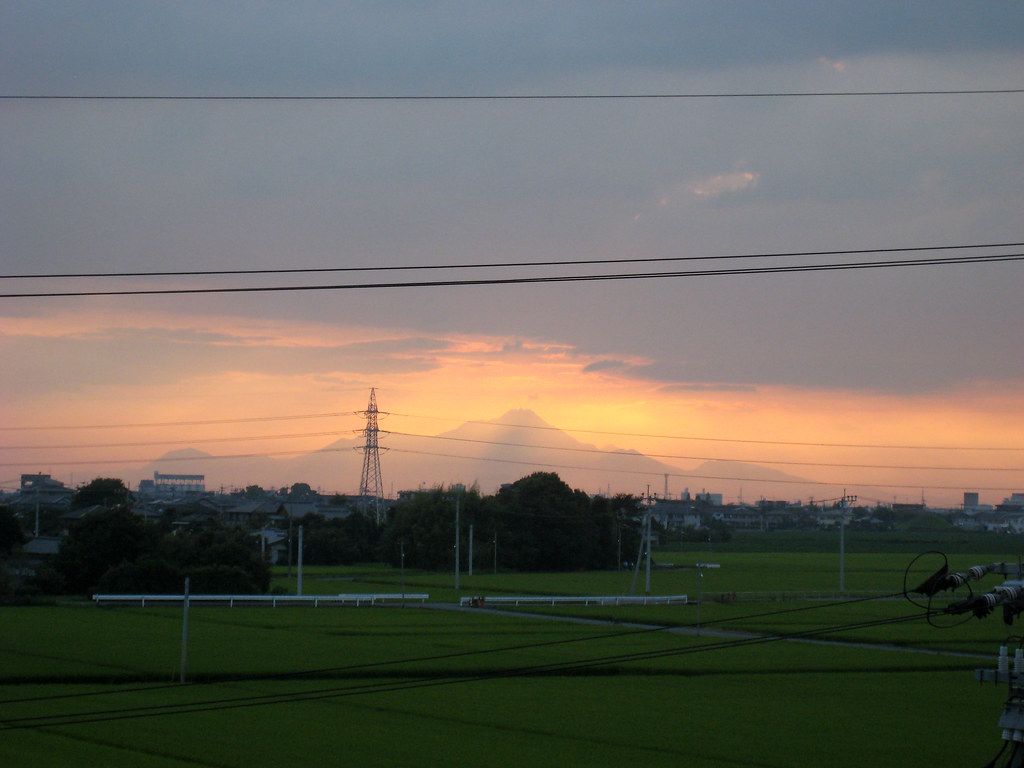

Mount Chokai Volcano Trekking Guide: Conquer the Majestic ‘Dewa Fuji’ in Japan’s Tohoku
Mount Chokai, known as ‘Dewa Fuji’ for its majestic shape, is a demanding stratovolcano trek in Japan’s Tohoku region. This comprehensive guide covers all nine trails, geological insights, trekking routes, safety tips, permits, and nearby accommodations including hot springs for a complete volcano hiking experience.
Quick Volcano Snapshot
| Attribute | Value |
|---|---|
| Volcano type | Stratovolcano |
| Elevation | 2,236 meters |
| Location | Tohoku region, Japan |
| Activity status | Dormant (last eruption 1974) |
| Trekking difficulty | Demanding |
| Typical trek duration | 8 to 12 hours (Hokodate Route round trip) |
| Altitude gain | Approximately 2,236 meters from sea level |
| Terrain type | Forested paths, alpine meadows, scree slopes, volcanic ash, rocky outcrops, snowfields |
| Best season | May to October (July to early October optimal) |
| Temperature range | Variable; cold and windy near summit, mild at base |
| Permit requirement | No special permits required; climbing prohibited if volcanic alert level is 2 or higher |
Introduction: The Experience of Hiking Mount Chokai
Approaching Mount Chokai, the striking silhouette of the ‘Dewa Fuji’ rises dramatically from the coastal plains of Tohoku. The air is crisp, carrying the scent of alpine flora and the faint whisper of ancient volcanic power. As you ascend, the landscape shifts from lush forests to barren volcanic scree and snowfields, revealing the raw geological forces that shaped this majestic peak. The contrast between the rugged lava domes and serene crater lake creates a profound sense of awe. Reaching the summit, the panoramic views of the Sea of Japan and surrounding mountain ranges evoke a deep connection to the Earth’s fiery heart, making every challenging step worthwhile.

Geological Background of Mount Chokai
Mount Chokai is a complex stratovolcano formed by overlapping volcanic cones with breached calderas and horseshoe-shaped craters. Its andesitic to basaltic-andesitic composition reflects a dynamic volcanic history marked by debris avalanche flows and dome-building eruptions. The most recent volcanic activity occurred in 1974, although the mountain is currently dormant. The summit area features lava domes and a scenic crater lake, surrounded by fumaroles and sulfur deposits that hint at its volcanic vitality. The volcano’s unique geology supports rare alpine ecosystems and contributes to the region’s abundant water resources, fed by heavy precipitation and active springs. This geological complexity makes Mount Chokai a fascinating destination for both hikers and earth science enthusiasts.
The Volcano Trek: Terrain and Hiking Experience
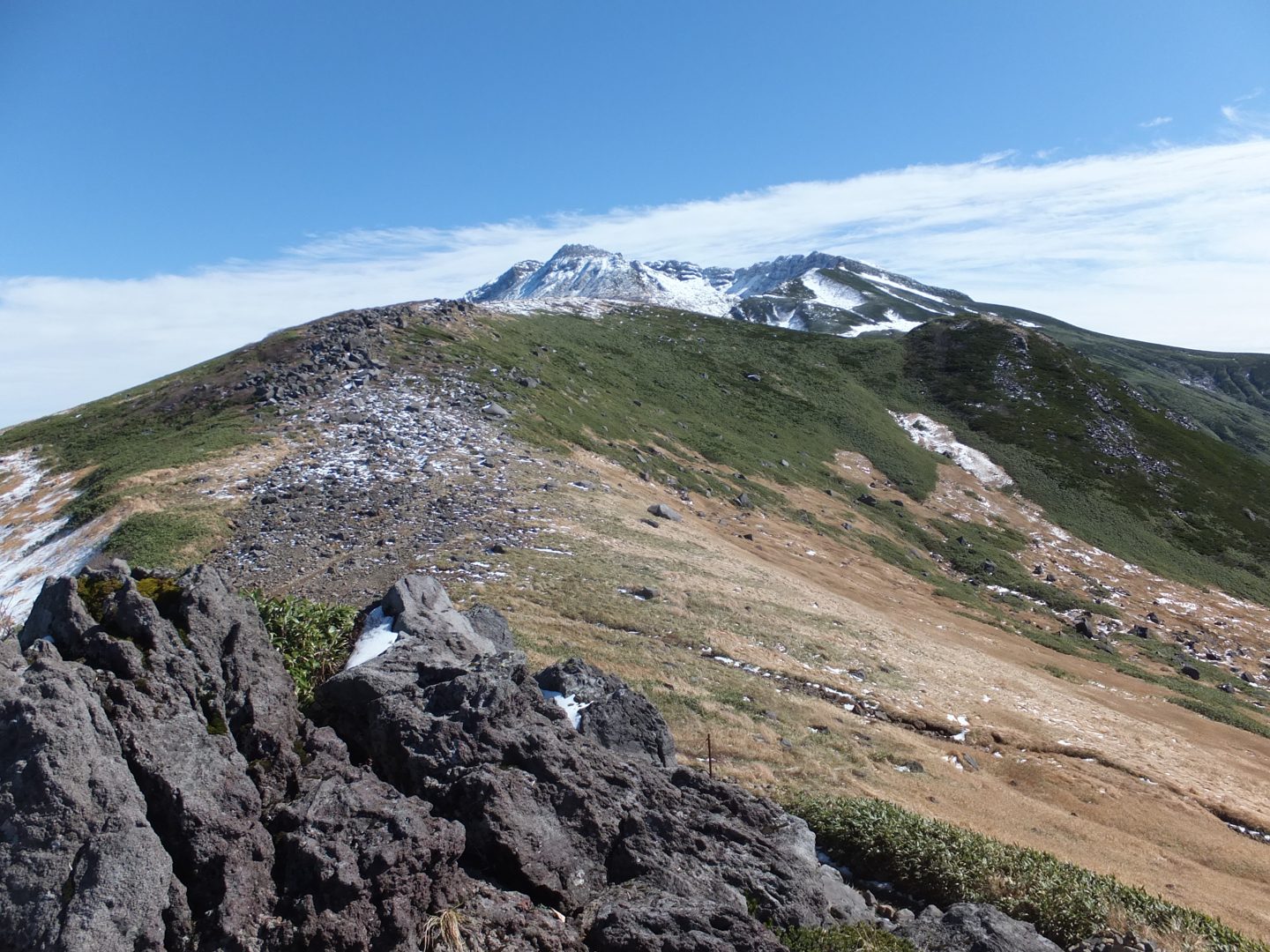
Hiking Mount Chokai is a demanding yet rewarding adventure that challenges trekkers with a diverse range of terrains. The ascent begins with gentle forested paths and alpine meadows bursting with wildflowers in summer. Early sections include well-maintained stone steps and broad rock paths reminiscent of ancient Roman roads, offering steady elevation gain and scenic views of deep gorges. As you progress, the trail transitions to loose scree slopes and volcanic ash, requiring careful footing and good balance. The middle sections feature expansive wetlands and alpine plants, especially vibrant from July to August, providing a refreshing contrast to the rocky terrain. Approaching the crater lake, hikers encounter a mix of snowfields and glacial remnants that persist year-round, demanding appropriate gear and caution. The final ascent to the summit is the most challenging, involving steep rocky outcrops and jagged lava domes that often require scrambling on all fours. Muddy patches from recent rains or melting snow add to the difficulty, making sturdy hiking boots essential. Weather conditions can change rapidly, with strong winds and temperature drops near the summit, so layered clothing and windproof jackets are necessary. The trail offers multiple junctions allowing hikers to choose between direct routes or ridge walks with spectacular panoramic views. Descents often involve sliding down scree slopes, which can be exhilarating but require control to avoid injury. The combination of volcanic rock, snowfields, alpine flora, and expansive vistas creates a varied and immersive hiking experience that tests endurance and rewards with breathtaking natural beauty.
What Makes the Mount Chokai Trek Unique
Mount Chokai’s trek stands out for its striking resemblance to Mount Fuji, earning it the nickname ‘Dewa Fuji.’ The volcano’s isolated peak rises sharply from sea level, offering uninterrupted panoramic views of the Sea of Japan and surrounding landscapes. Unique features include a glacier that never melts, alpine wetlands rich with rare plants, and a serene crater lake nestled near the summit. The volcanic terrain combines rugged lava domes with lush alpine meadows, creating a dramatic contrast rarely seen in other volcano hikes. Cultural elements such as mountain shrines and historic pilgrimage routes add spiritual depth to the journey. The presence of hot springs at trailheads provides a perfect way to relax after a strenuous climb, enhancing the overall trekking experience.
The Summit and Crater Experience
Reaching the summit of Mount Chokai is a moment of triumph and profound connection with nature’s power. The air is thin and crisp, carrying the faint sulfurous scent from fumaroles near the crater. The rocky outcrops at the peak demand careful navigation, but the reward is a breathtaking 360-degree panorama encompassing the Sea of Japan, distant mountain ranges, and the volcanic landscape below. The crater lake’s tranquil waters reflect the sky, contrasting with the rugged lava domes surrounding it. Sounds of escaping volcanic gases and the whisper of wind create an otherworldly atmosphere. The summit’s exposure to the elements offers a raw, sensory experience that embodies the essence of volcano trekking.
Best Time to Trek Mount Chokai
The optimal trekking season for Mount Chokai spans from May to October, with July to early October being the most popular period. During these months, the trails are generally free of snow, and alpine flowers bloom vibrantly. Early summer may still have lingering snowfields requiring caution. Weather is relatively stable, but sudden changes such as heavy rain or strong winds can occur, so checking forecasts is essential. Winter and early spring bring heavy snowfall, rendering trails inaccessible except for experienced backcountry skiers. Climbers should also monitor volcanic activity alerts from the Japan Meteorological Agency, avoiding the mountain if alert levels rise above 1. Sunrise climbs are favored for cooler temperatures and spectacular lighting, but require headlamps and preparedness for cold conditions.
Trekking Routes and Trail Options on Mount Chokai
Mount Chokai offers nine distinct trails catering to various skill levels and interests. The most popular routes include the Hokodate Route, which starts from the Hokodate trailhead and features a steady climb through alpine meadows and stone steps, leading to the Ohama-koya mountain hut near the crater lake. This full summit round trip takes approximately 8 to 12 hours and is suitable for experienced hikers prepared for demanding terrain. The Fukuraguchi Route, also known as the Lake Chokai Course, is an easier trail passing through hills covered with alpine plants, offering scenic views and a gentler ascent. It includes a challenging pass at the start but then levels out for a pleasant walk. The Yunodaiguchi Route, or Summit Course, is a shorter but steeper path favored by experienced climbers. It traverses snowy valleys and follows the volcanic mountain’s outer ridge, providing dramatic views. Near the crater lake, hikers can choose between a ridge trail with panoramic views or a more direct route through snowfields. Combining these creates a rewarding loop hike. All routes converge near the summit area, where rocky scrambling is required. Trailheads are accessible by car, bus, or taxi from nearby towns such as Kisakata and Sakata. Detailed maps and local guidance are recommended to navigate the complex trail network safely.
Difficulty Assessment of Mount Chokai Trek
Mount Chokai is classified as a demanding volcano trek. The terrain includes steep scree slopes, loose volcanic ash, rocky outcrops requiring scrambling, and persistent snowfields near the summit. The altitude of 2,236 meters can cause mild altitude effects for some hikers. The final ascent involves technical challenges such as climbing jagged rocks and navigating muddy or slippery sections. A good level of fitness, hiking experience, and proper equipment are essential. While novice hikers can enjoy lower sections and scenic turn-around points, reaching the summit is recommended only for confident and well-prepared trekkers. The trek demands endurance, careful footing, and awareness of rapidly changing weather conditions.
Essential Volcano Trekking Gear for Mount Chokai
Successful trekking on Mount Chokai requires specialized gear to handle diverse and challenging conditions. Sturdy hiking boots with excellent grip are essential for scree and rocky terrain. Trekking poles help maintain balance on loose slopes and scree. Layered clothing is necessary, including moisture-wicking base layers, insulating mid-layers, and windproof and waterproof outer shells. Gloves and a warm hat protect against summit cold and wind. A headlamp is important for early morning or late evening climbs. While a gas mask or respirator is generally not required, monitoring volcanic gas alerts is advisable. Ample water supply or a filtration system is needed, as natural water sources are scarce and may require treatment. Sun protection such as sunglasses, sunscreen, and a wide-brimmed hat is recommended. Navigation tools like a map, compass, or GPS device are essential. An emergency whistle and first aid kit enhance safety. A lightweight backpack is useful for carrying gear and food. Proper preparation with this gear ensures safety and comfort throughout the demanding ascent and descent.
Safety and Volcanic Hazards on Mount Chokai
Mount Chokai, while currently dormant, remains an active volcano with potential hazards. Hikers must stay informed by checking the Japan Meteorological Agency’s volcanic alert levels before and during their trek. If the alert level reaches 2 or higher, climbing is prohibited. Volcanic gases such as sulfur dioxide can be present near fumaroles, posing respiratory risks. Although gas concentrations are usually low, sensitive individuals should exercise caution. The terrain includes unstable crater edges and loose scree slopes, increasing the risk of falls and rockslides. Sudden weather changes, including heavy rain, thunderstorms, and strong winds, can create hazardous conditions, especially near the exposed summit. Bear sightings are common in the region; hikers should follow local guidelines to avoid encounters. Staying on designated trails minimizes environmental impact and reduces risk. Emergency shelters and mountain huts provide refuge in adverse weather. Submitting a climbing plan and sharing itinerary details with contacts enhances safety. Overall, vigilance, preparation, and respect for nature are essential for a safe Mount Chokai trek.
Permits, Guides, and Logistics for Mount Chokai Trekking
Mount Chokai does not require special permits for hiking; however, visitors must observe regulations set by Chokai Quasi-National Park and local authorities to protect the environment. It is strongly recommended to check volcanic activity updates via the Japan Meteorological Agency before planning your trek. If the volcanic alert level is 2 or higher, climbing is prohibited for safety reasons. Submitting a climbing plan to local authorities or park offices is advised to ensure rescue readiness in emergencies. Several mountain huts such as Ohama-koya and Omuro-koya offer accommodation and require advance reservations during peak season. These huts provide essential shelter and basic amenities. Guided tours are available through the Mt. Chokai & Tobishima Island Geopark Promotion Council, which offers certified geopark guides. English-speaking guides are limited, so early booking is recommended. Local trekking companies in Tohoku also provide guided services, enhancing safety and enriching the experience with cultural and geological insights. Access to trailheads is convenient by car, bus, or taxi from nearby towns like Kisakata and Sakata. Public transportation schedules should be checked in advance, especially outside peak seasons. After trekking, visitors can relax in local hot springs such as Yunodai Onsen Chokaisanso and Chokai Onsen Yurari, located near trail starting points. Overall, careful planning, adherence to safety guidelines, and utilizing local guiding services ensure a rewarding and secure Mount Chokai adventure.
Where to Stay and Nearby Bases for Mount Chokai
Accommodation options around Mount Chokai cater to a range of preferences, from traditional inns to mountain huts and hot spring resorts. Near the popular Hokodate trailhead, the Hokodate Sanso mountain hut offers affordable lodging with friendly hosts and basic amenities, ideal for hikers preparing for early starts. Advance reservations are recommended, especially during the busy climbing season. Ohama-koya and Omuro-koya mountain huts near the crater lake provide essential shelter for multi-day treks, featuring simple rooms and toilets. These huts fill quickly in summer and require early booking. For more comfortable stays, hot spring inns such as Yunodai Onsen Chokaisanso and Chokai Onsen Yurari welcome both day visitors and overnight guests. These ryokan-style accommodations offer soothing thermal baths, traditional Japanese meals, and relaxing atmospheres to recover after strenuous hikes. In nearby towns like Kisakata and Sakata, travelers can find a variety of hotels, guesthouses, and lodges with modern conveniences. Hotel Foresta Chokai in Yurihonjo city is a notable option, featuring rooms with views of Mount Chokai, private open-air baths, and gourmet Japanese-Western cuisine. It is approximately a 1.5-hour drive from Shonai Airport. Transportation options include buses and taxis connecting towns to trailheads, while rental cars provide flexibility for exploring scenic drives such as the Chokai Blue Line. Planning accommodations in advance and considering proximity to trailheads enhances the trekking experience and ensures restful nights before and after climbing Mount Chokai.